Year Three of LFHC’s District Hospital Support Program: What’s Been Achieved and What’s Next?
When a child gets sick in rural Laos, the nearest district hospital is usually the first point of call. For three years, LFHC has been working hard to improve healthcare training across rural areas of Luang Prabang Province. As training reaches all 12 district hospitals, the program will shift its focus to sustaining what's been built so that more children can be seen sooner, closer to home.
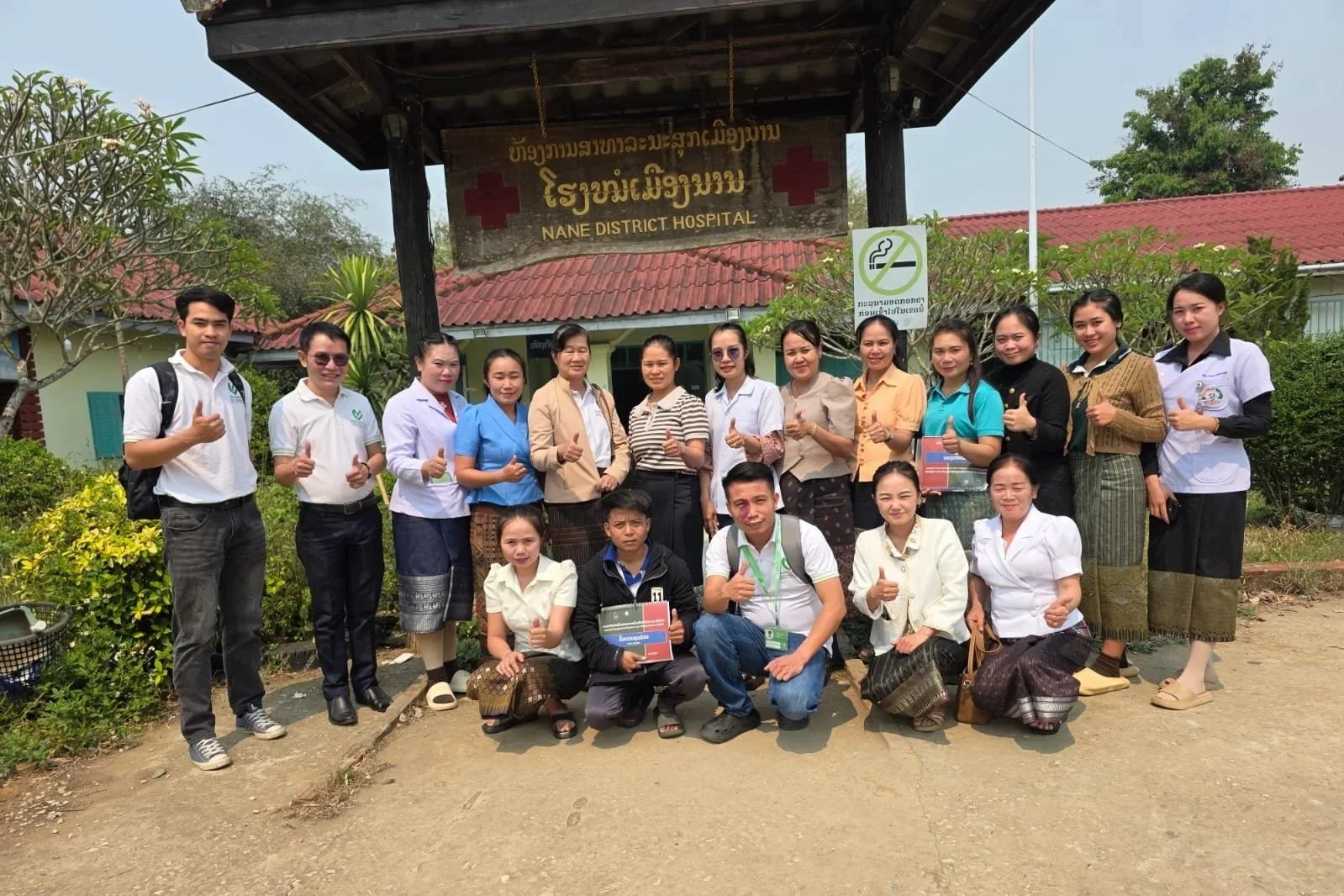
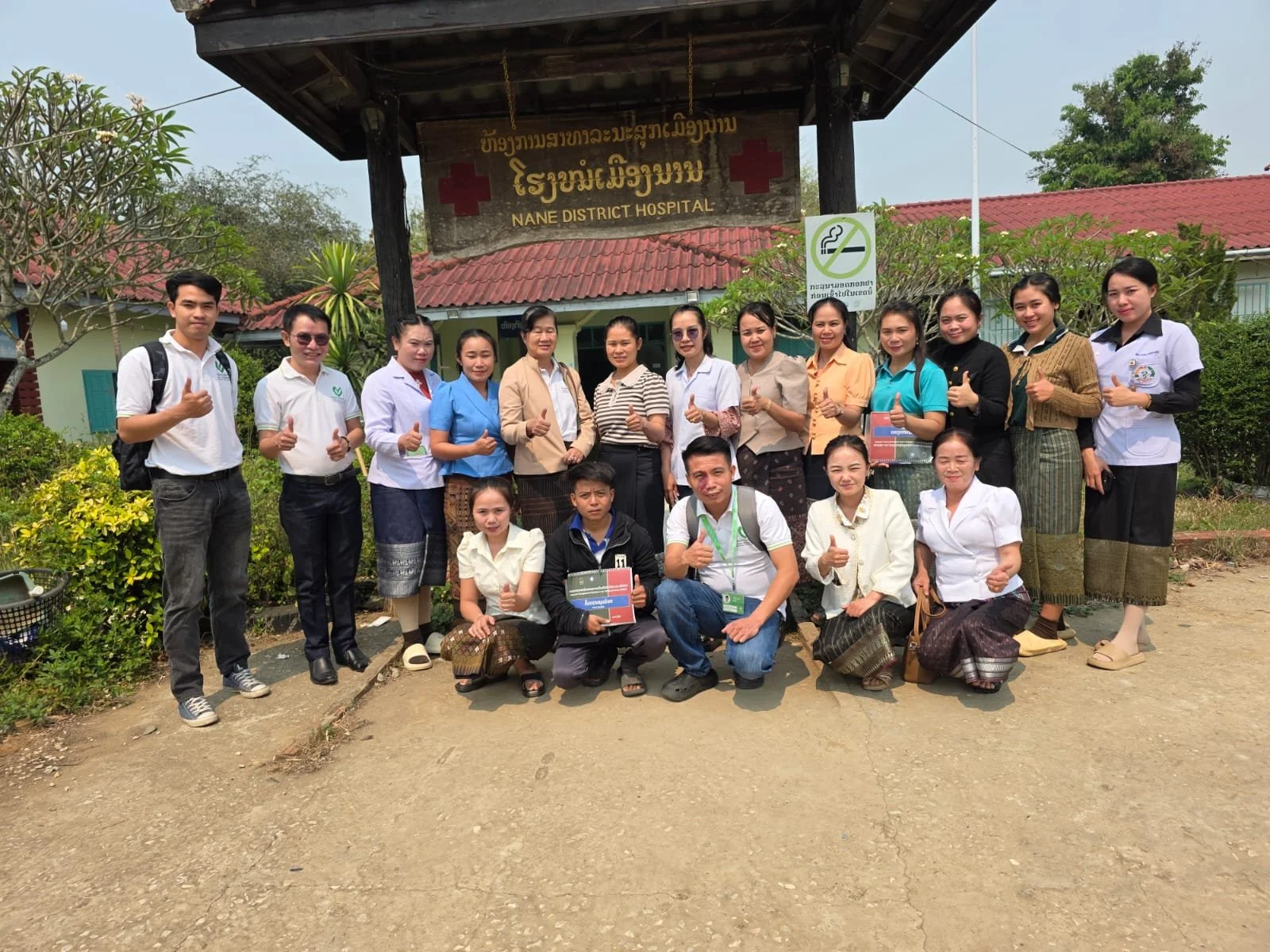
LFHC’s District Hospital Training Program team on a visit at Nan district (aprox. 94 kilometers from Luang Prabang city)
For many families living in rural Laos, reaching medical care is not simple. A sick child may need to travel for hours over difficult roads to reach Lao Friends Hospital for Children (LFHC), often at great cost to the family.
LFHC will always be here for children who need specialist pediatric care. But we also believe that more children should be able to receive safe, timely care closer to home. This is the heart of LFHC’s District Hospital Support Program.
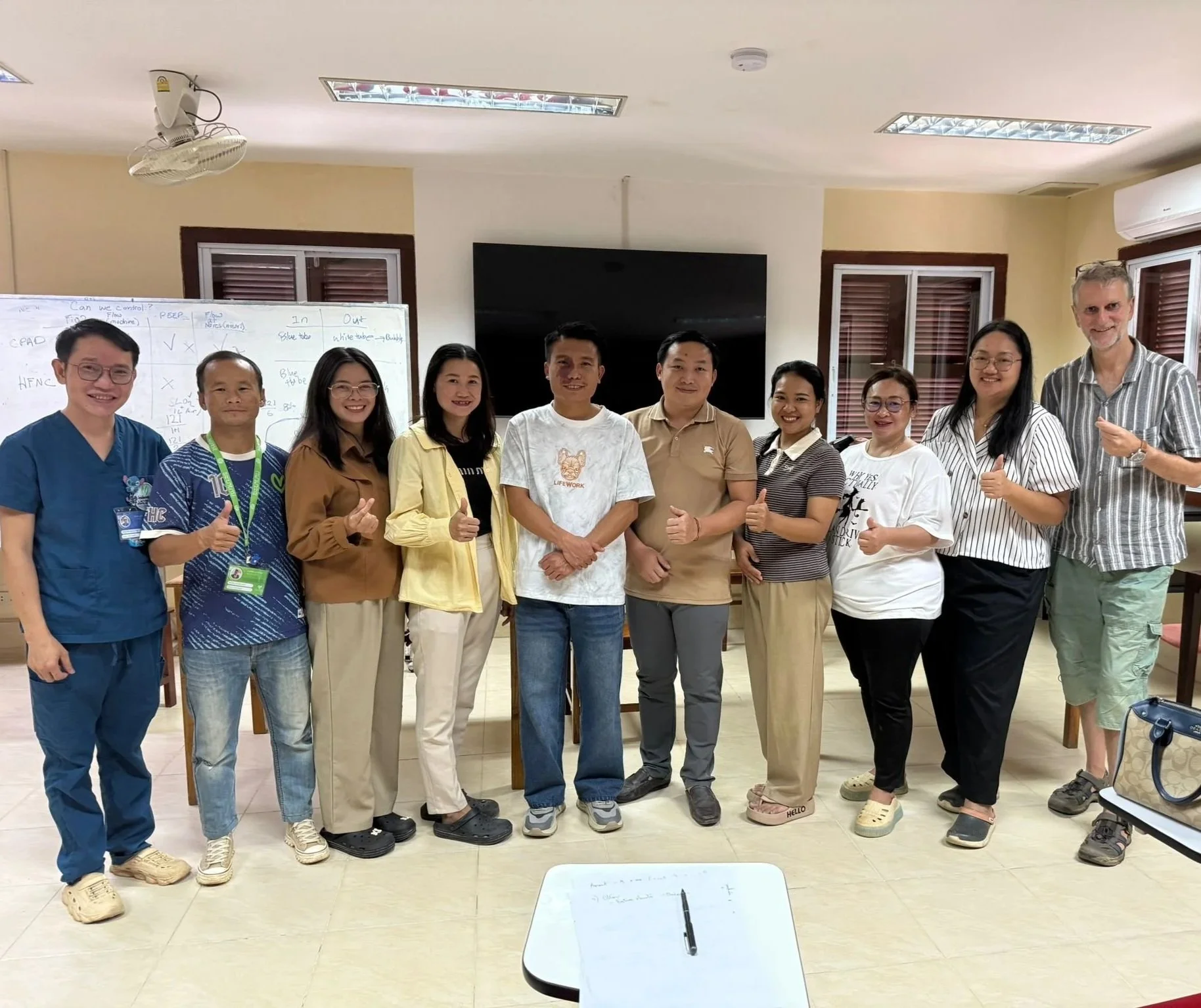
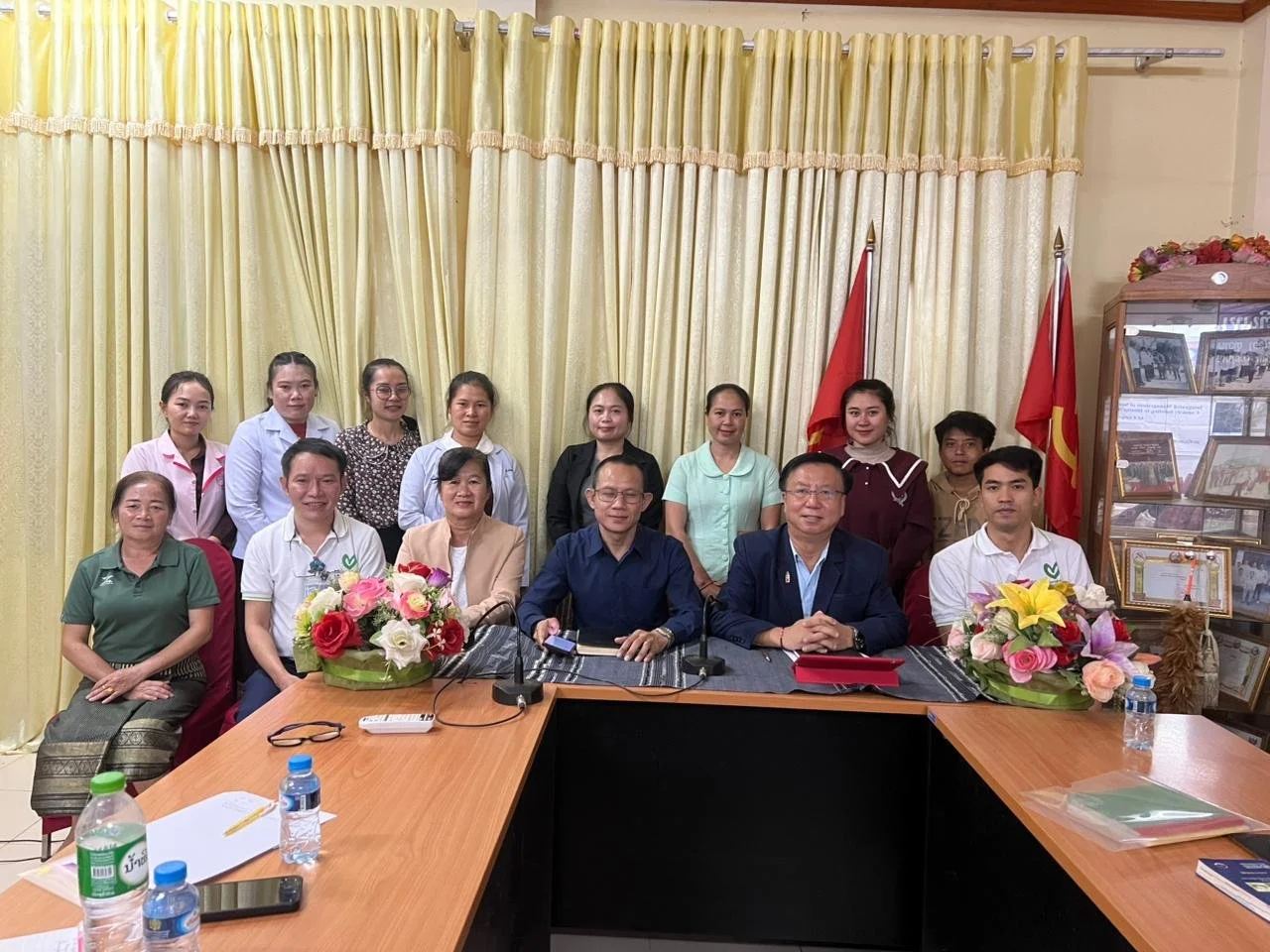
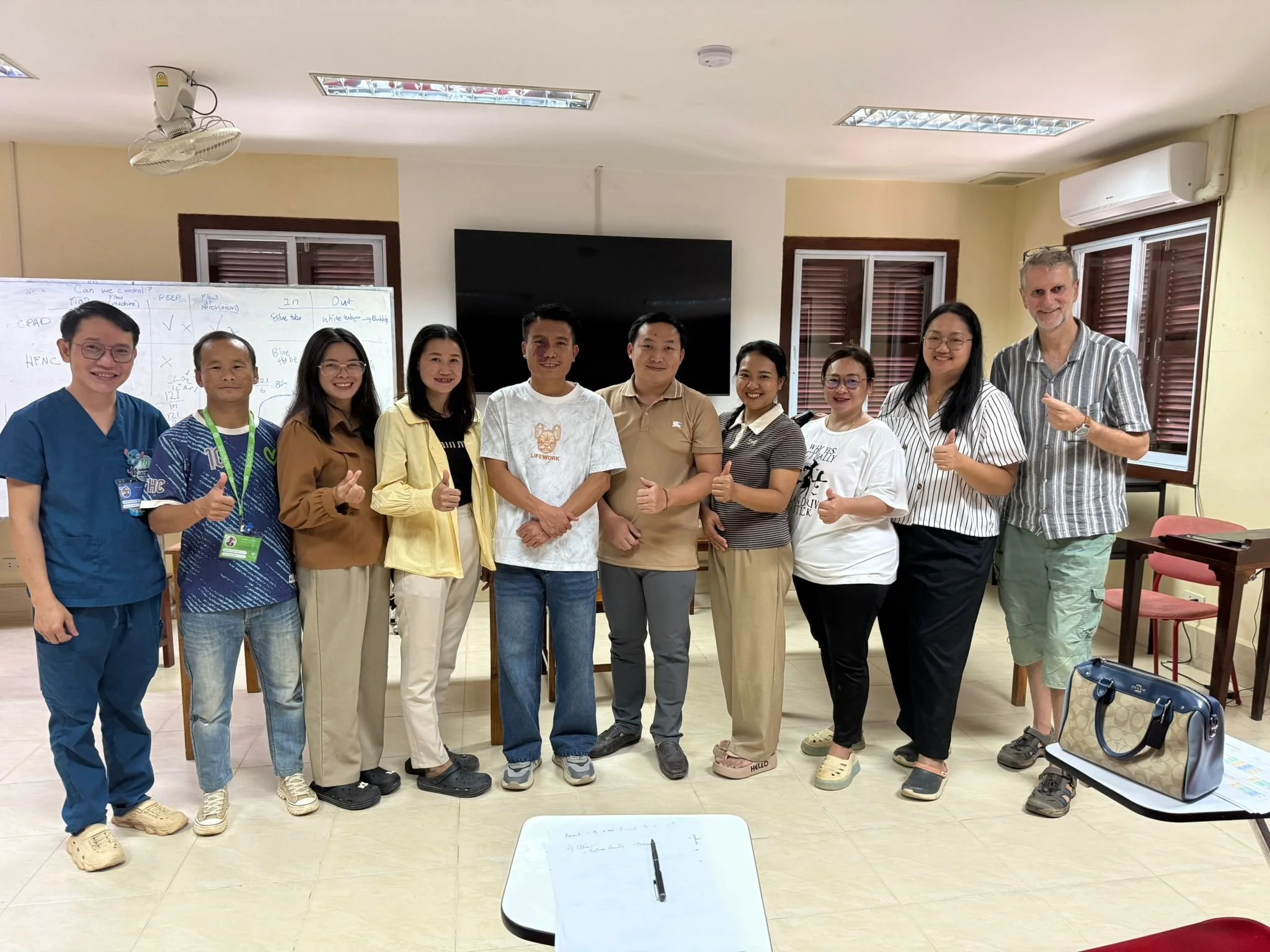
Dr Phoumy Manivong (from left) and Dr Neil Simpson (from right) and the rest of the LFHC training team
Launched at the end of 2022 in partnership with the Luang Prabang Provincial Health Department and with funding from Child’s Dream Foundation, the program supports district hospitals across the province to improve care for sick children and newborn babies.
At the center of this work is Dr. Phoumy Manivong, LFHC’s lead physician for the program, with tremendous ongoing support from Dr. Neil Simpson, a UK-based pediatrician and long-term LFHC volunteer. Together with LFHC trainers and provincial health partners, they are helping rural doctors, nurses, and midwives build the skills and confidence needed to care for sick children closer to home.
Why District Hospitals Matter
District hospitals are often the first place families go when a child becomes seriously ill, as it’s the one closest to their home. These hospitals play a vital role in caring for children with common but dangerous conditions such as pneumonia, diarrhea, dehydration, malnutrition, malaria, newborn complications, seizures, and breathing difficulties.
However, many district hospitals face significant challenges like limited access to pediatric training. Essential medicines and equipment may be unavailable. Some equipment may be old or broken. In busy periods, staffing can be stretched, especially when health workers are also supporting vaccination campaigns or other public health activities.
For a child in an emergency, these challenges can make a critical difference.
The District Hospital Support Program was created to respond to this reality. Rather than focusing only on care at LFHC, the program strengthens the wider health system. It supports the people and facilities that families depend on first, especially in remote and underserved areas.
Practical Training That Saves Lives
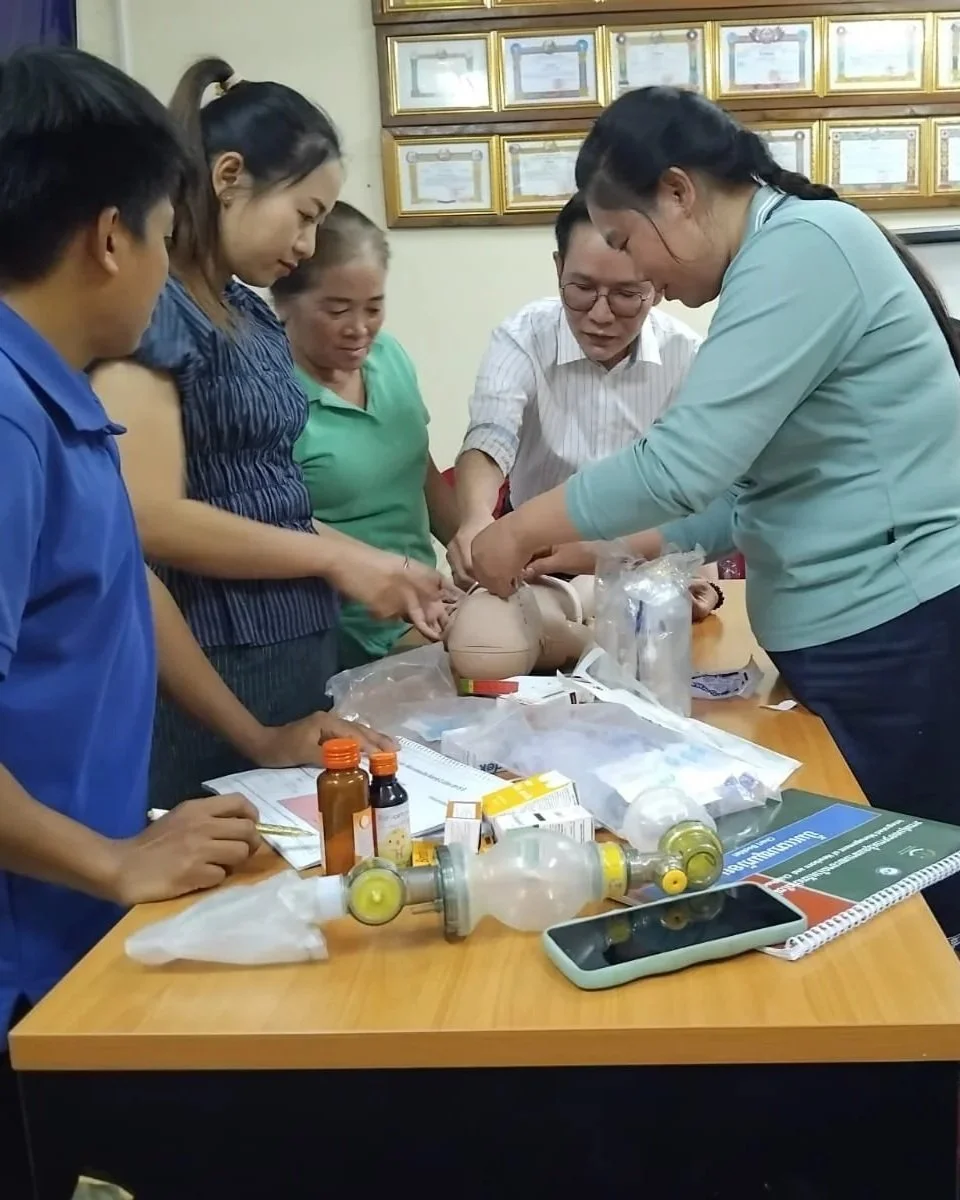
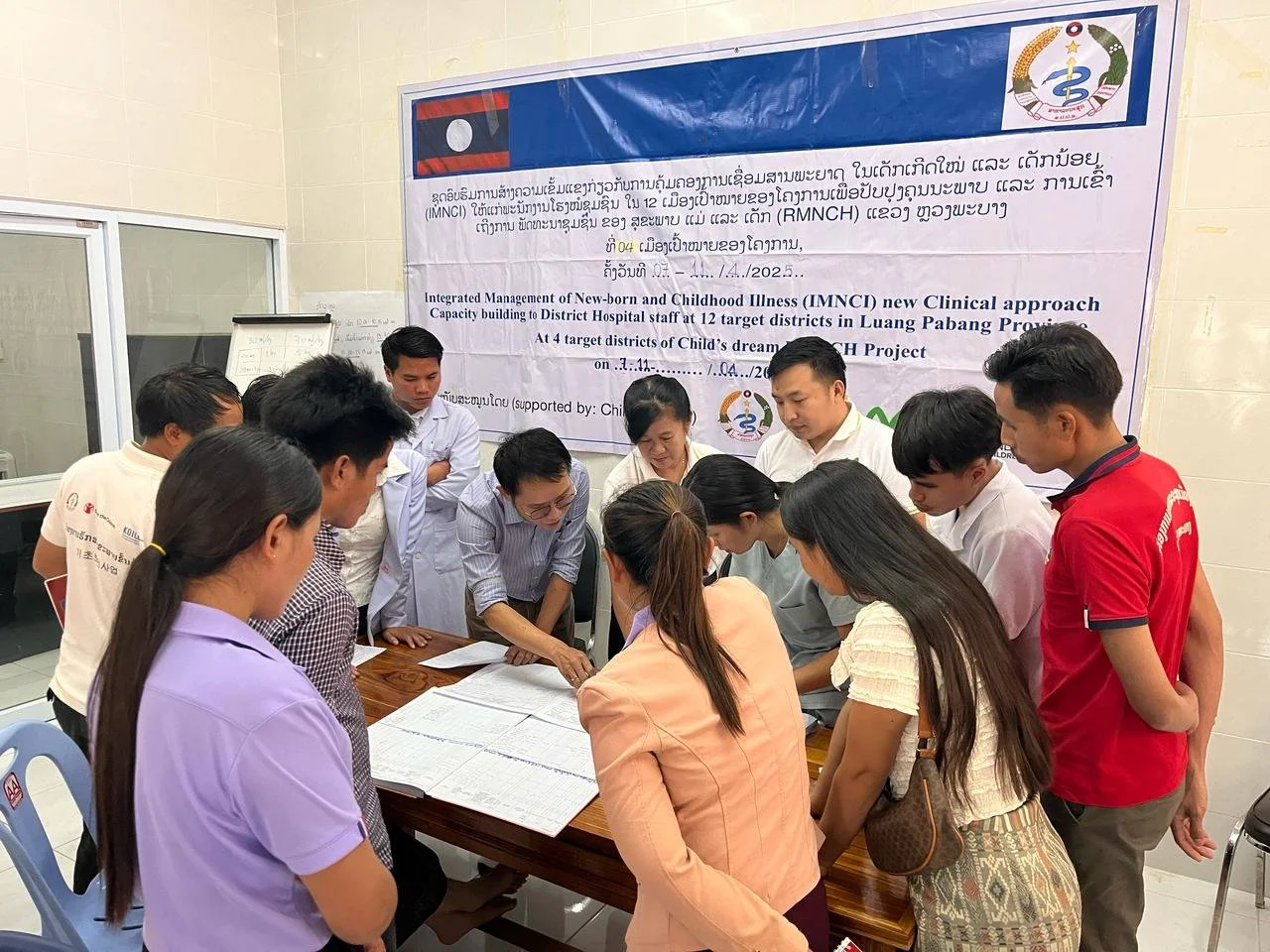
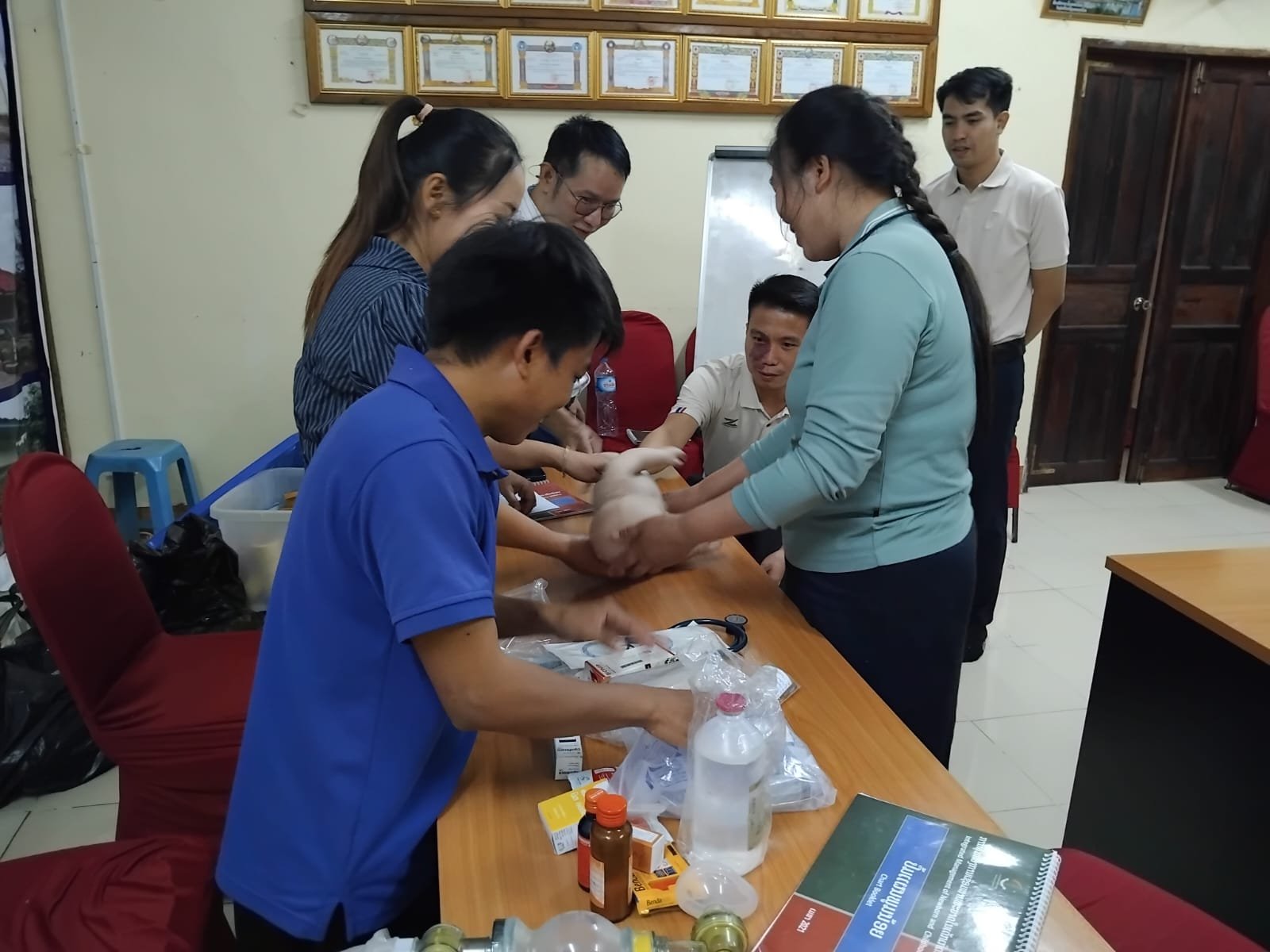
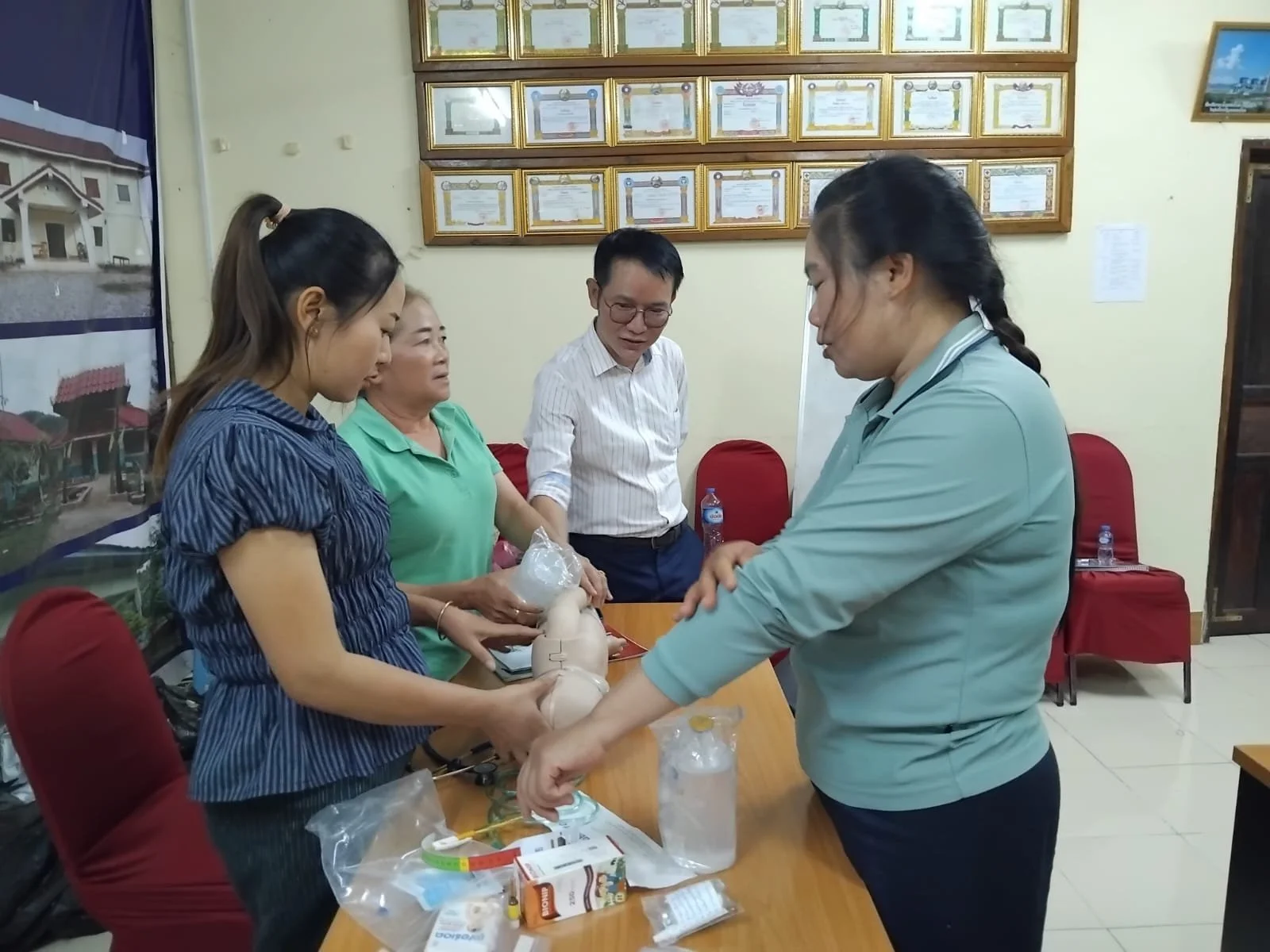
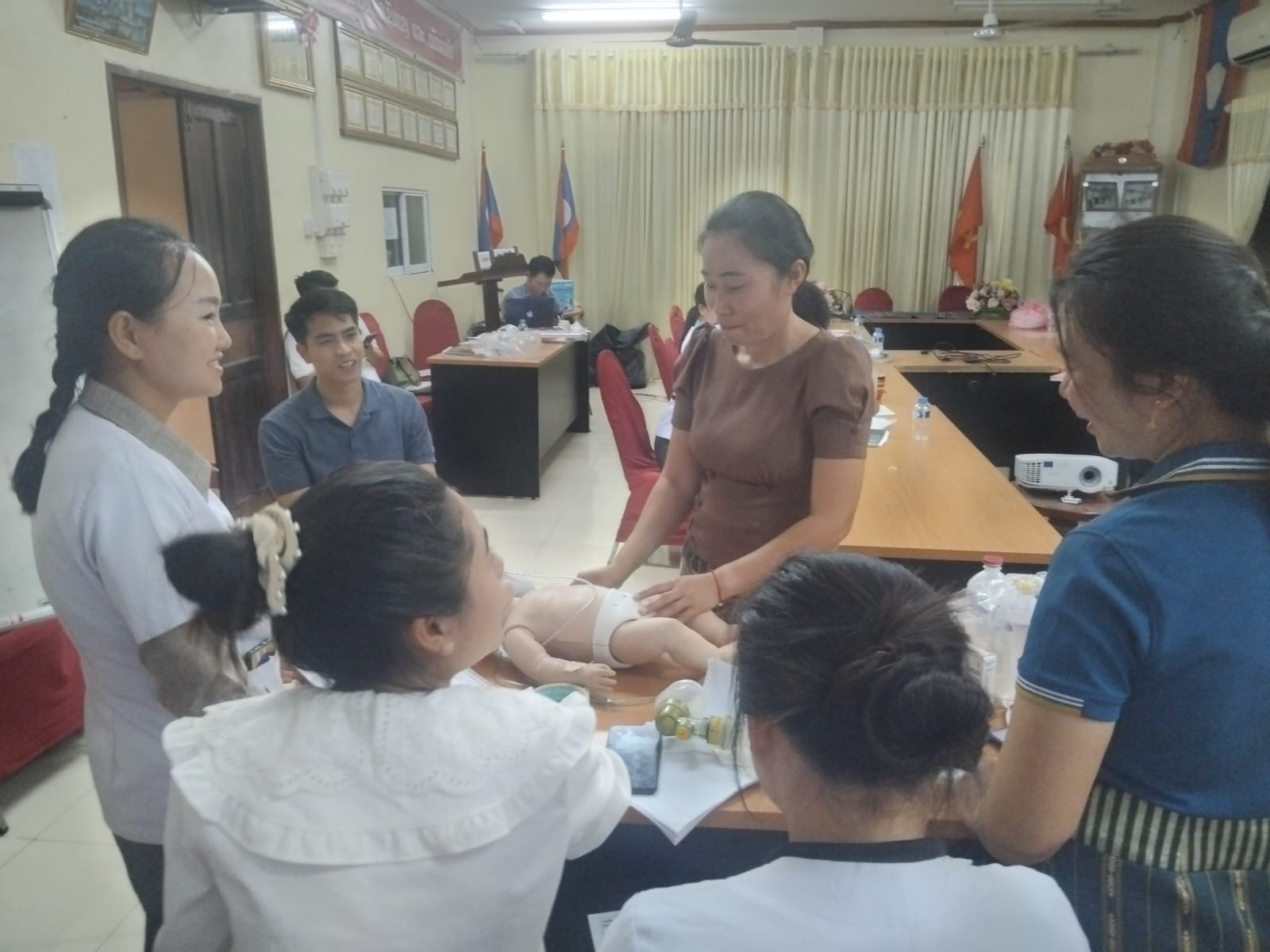
The training provided focuses on real situations that district hospital staff face every day. One part of the training helps health workers assess and treat common childhood illnesses. This includes how to recognize danger signs, check for malnutrition, manage fever, diarrhea, pneumonia, and dehydration, and advise caregivers on what to do after discharge.
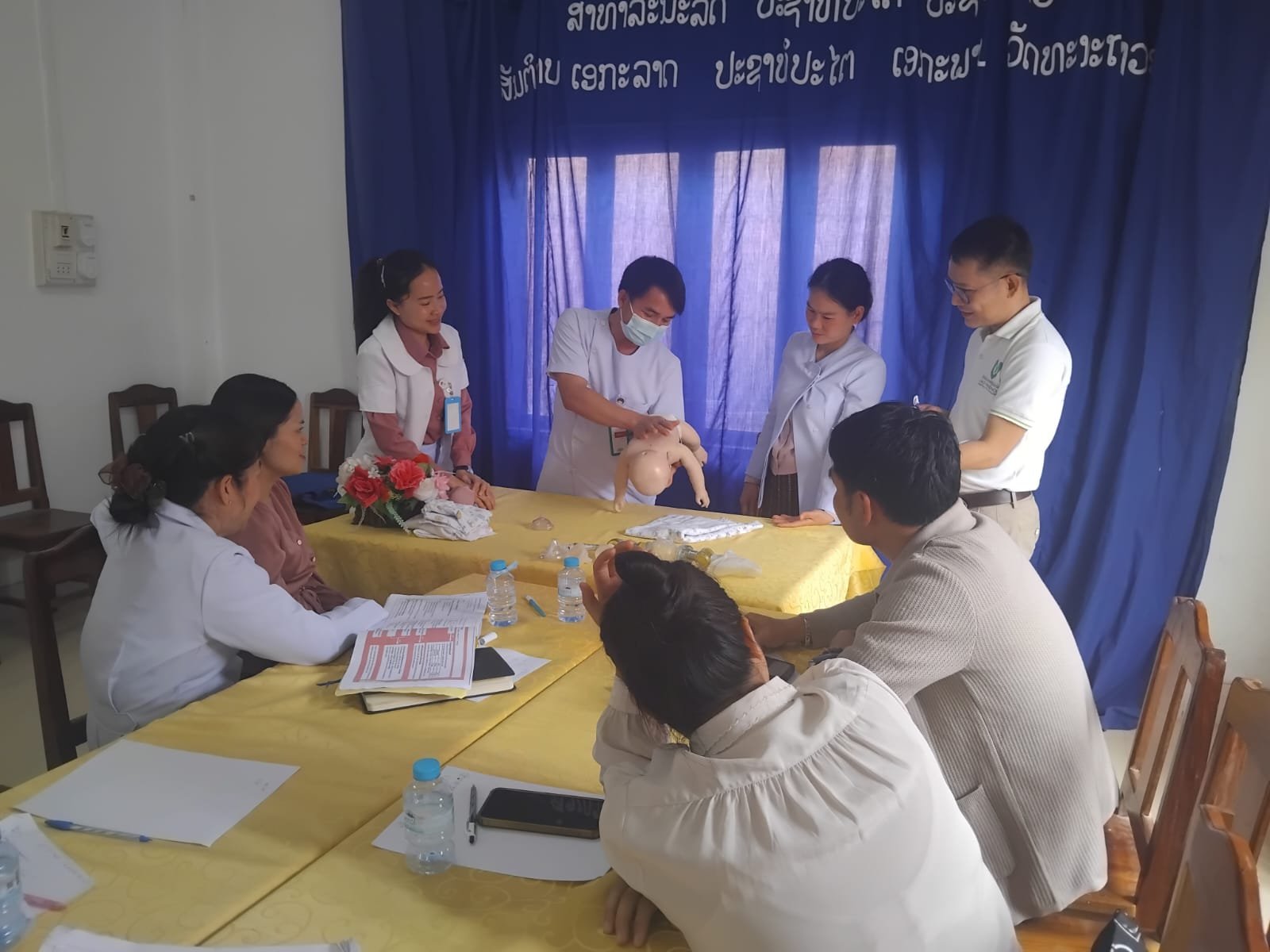
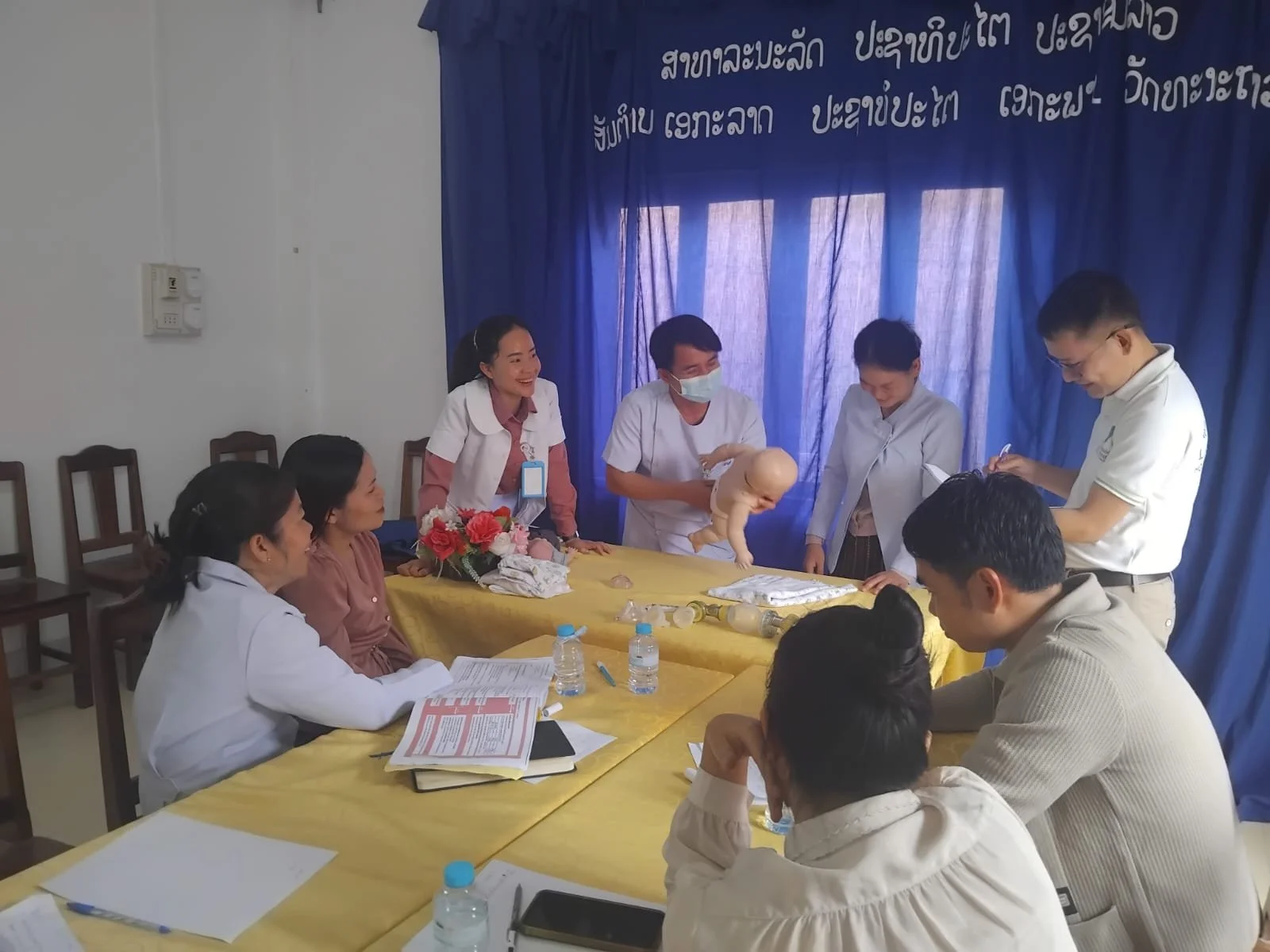
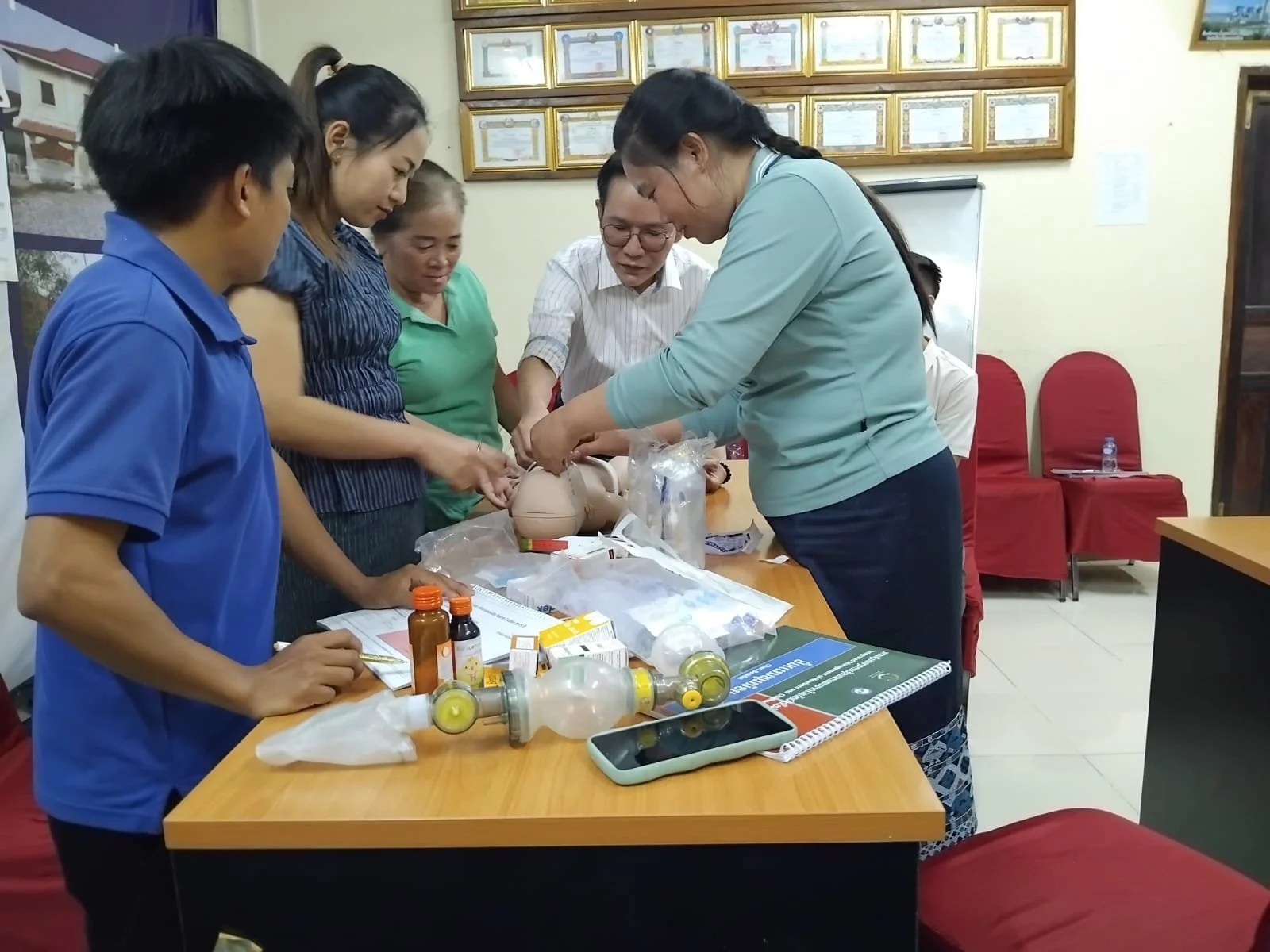
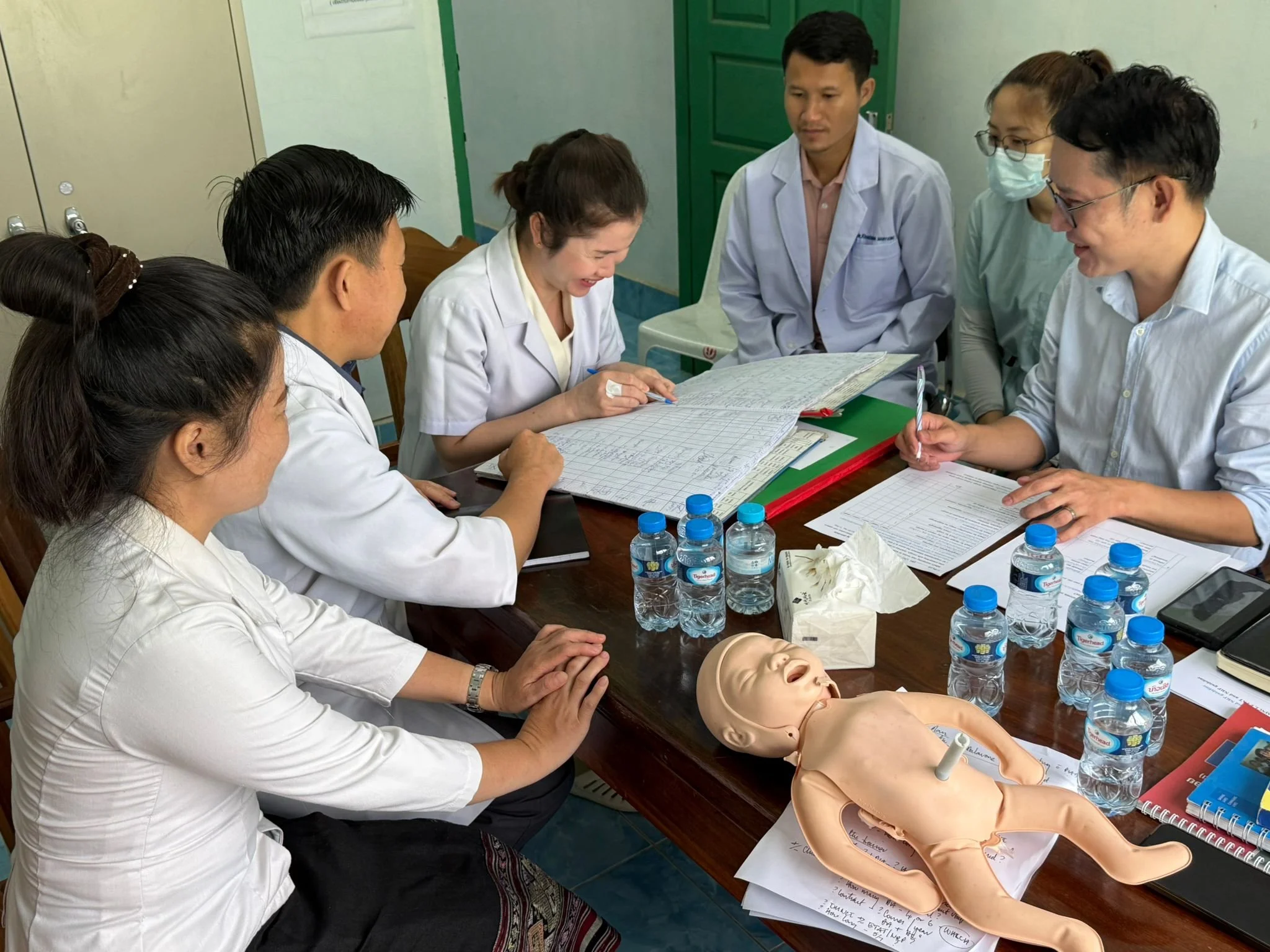
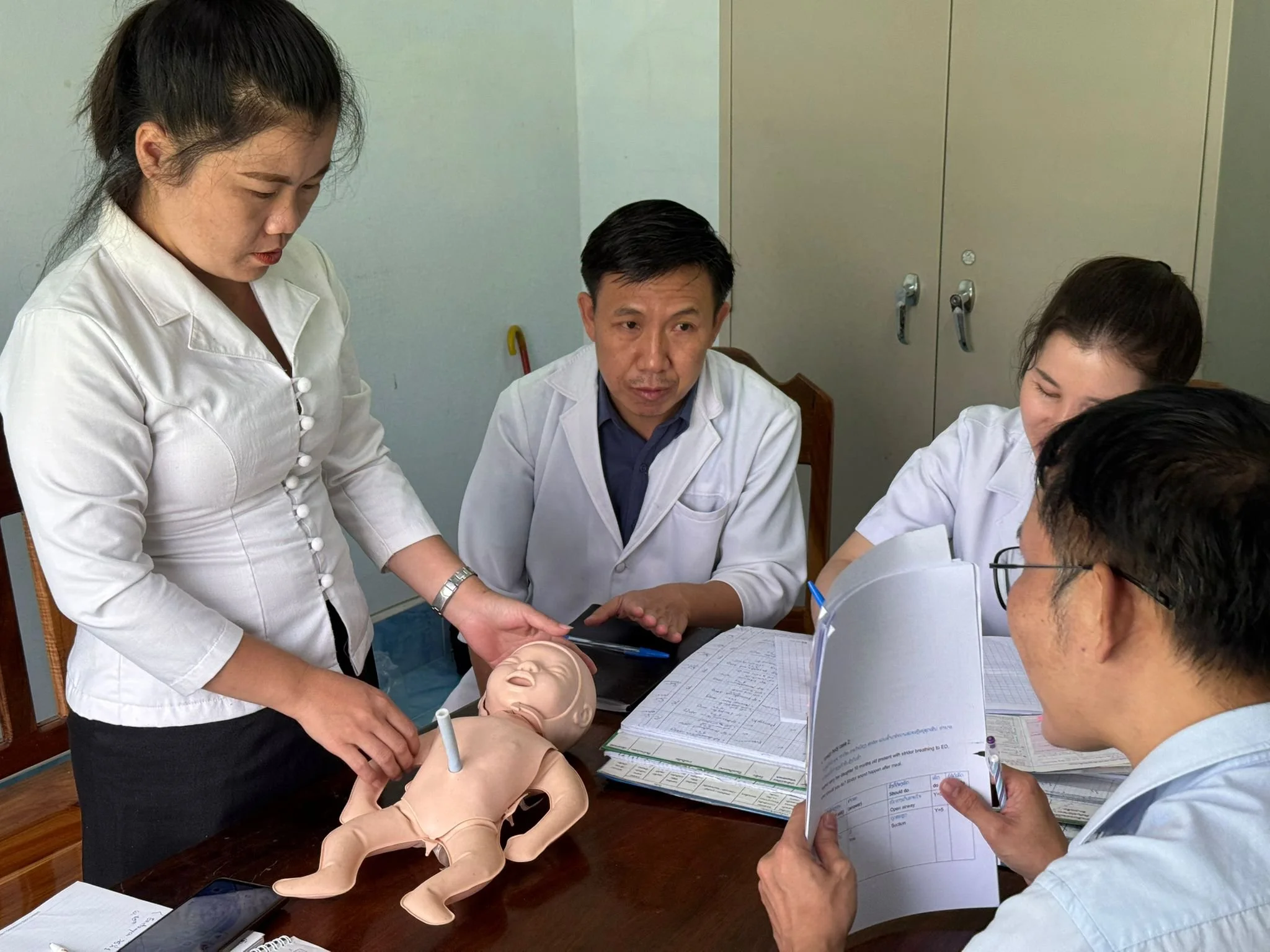
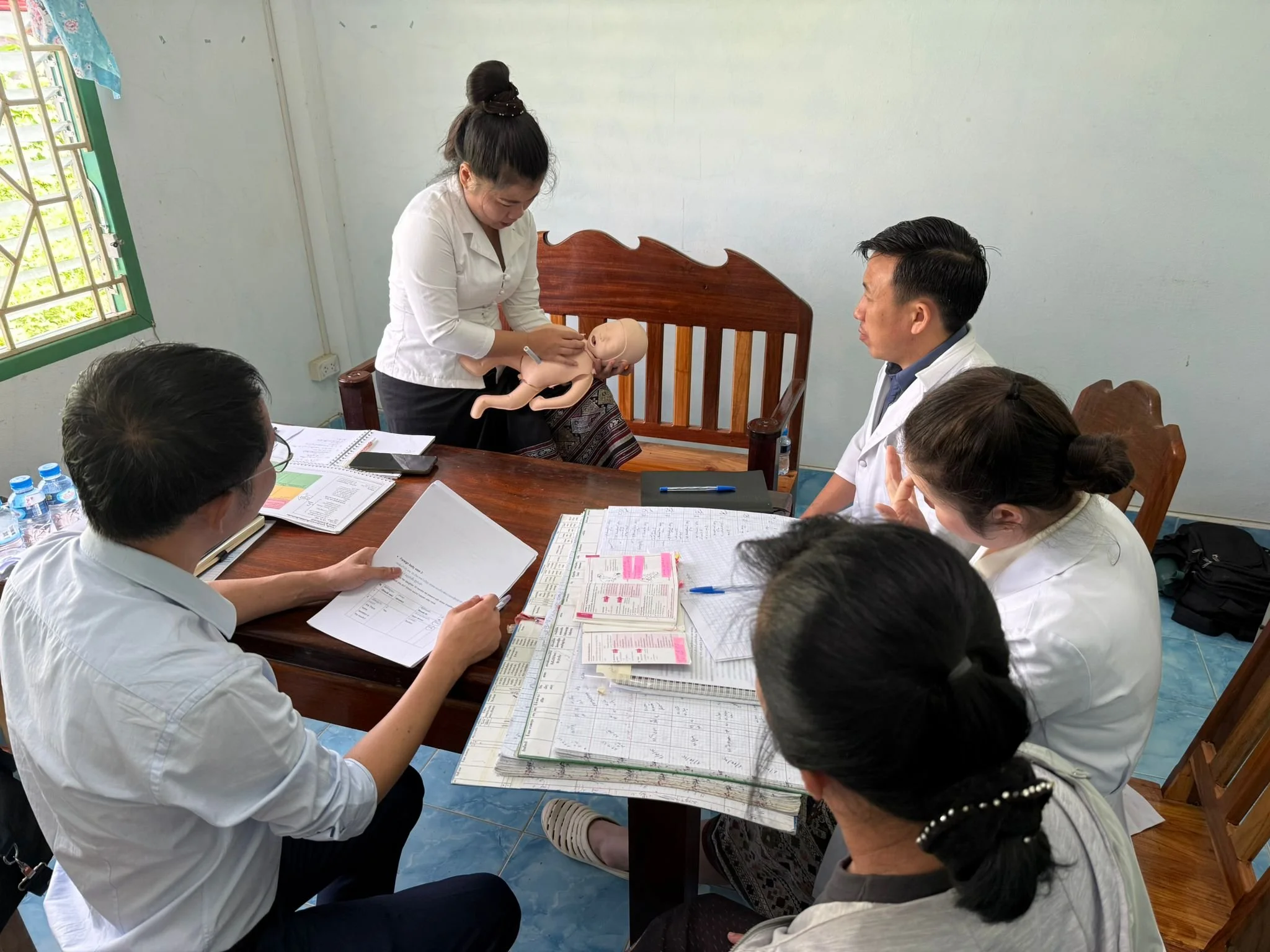
Another part focuses on emergency care. Staff practice how to quickly identify a very sick child, give urgent treatment, support breathing, manage shock, treat seizures, and care for newborn babies who need help breathing after birth.
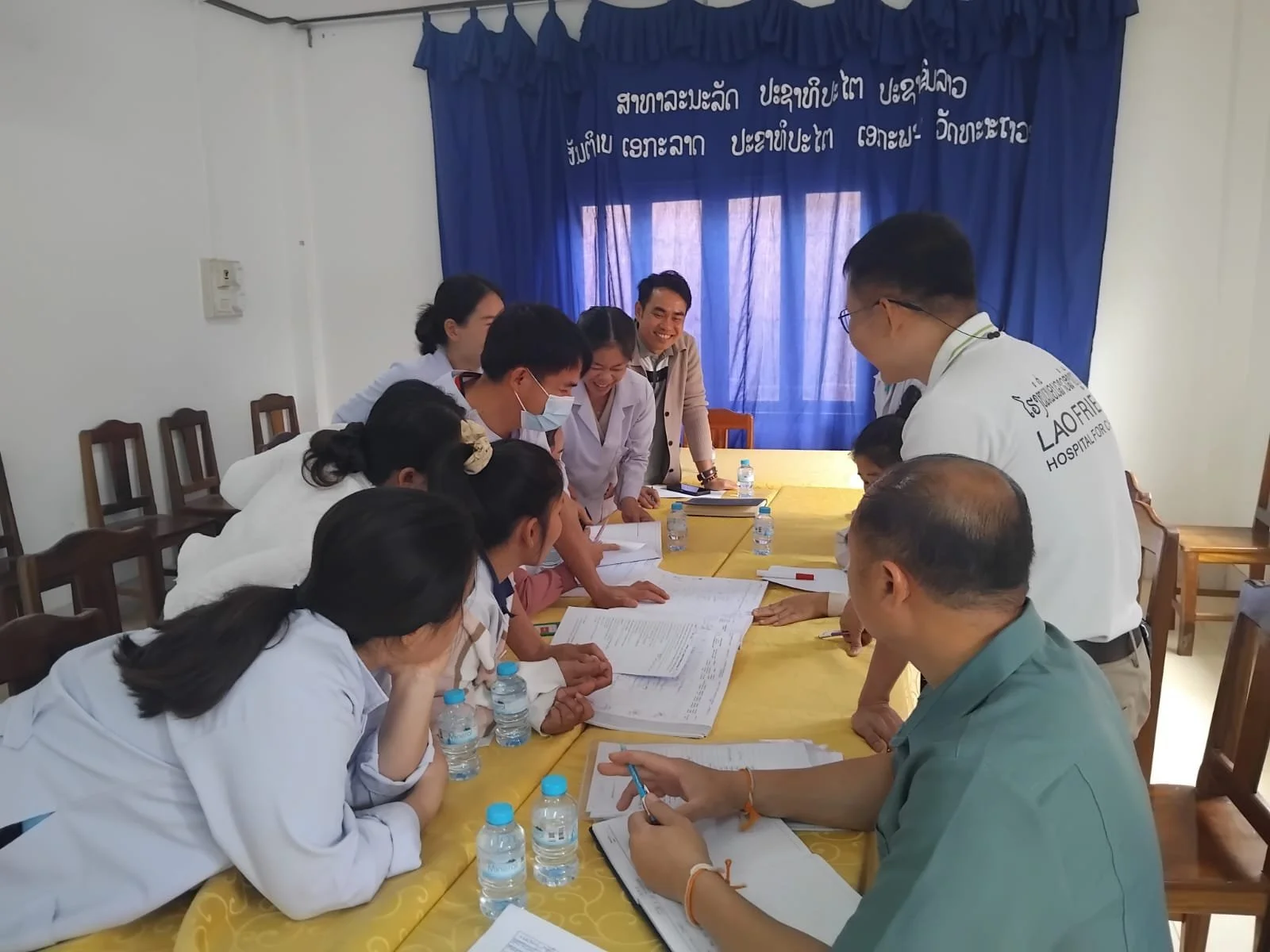
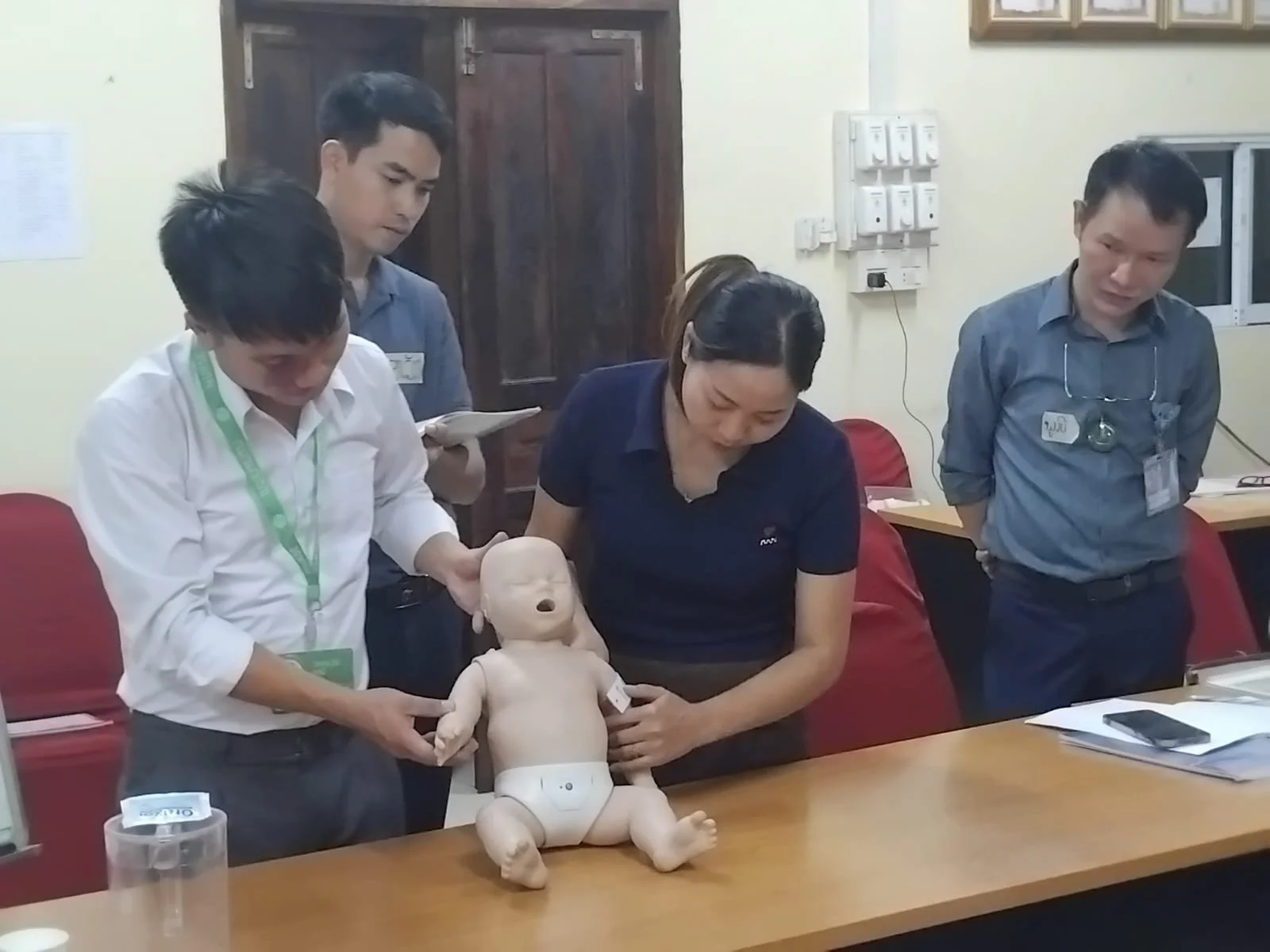
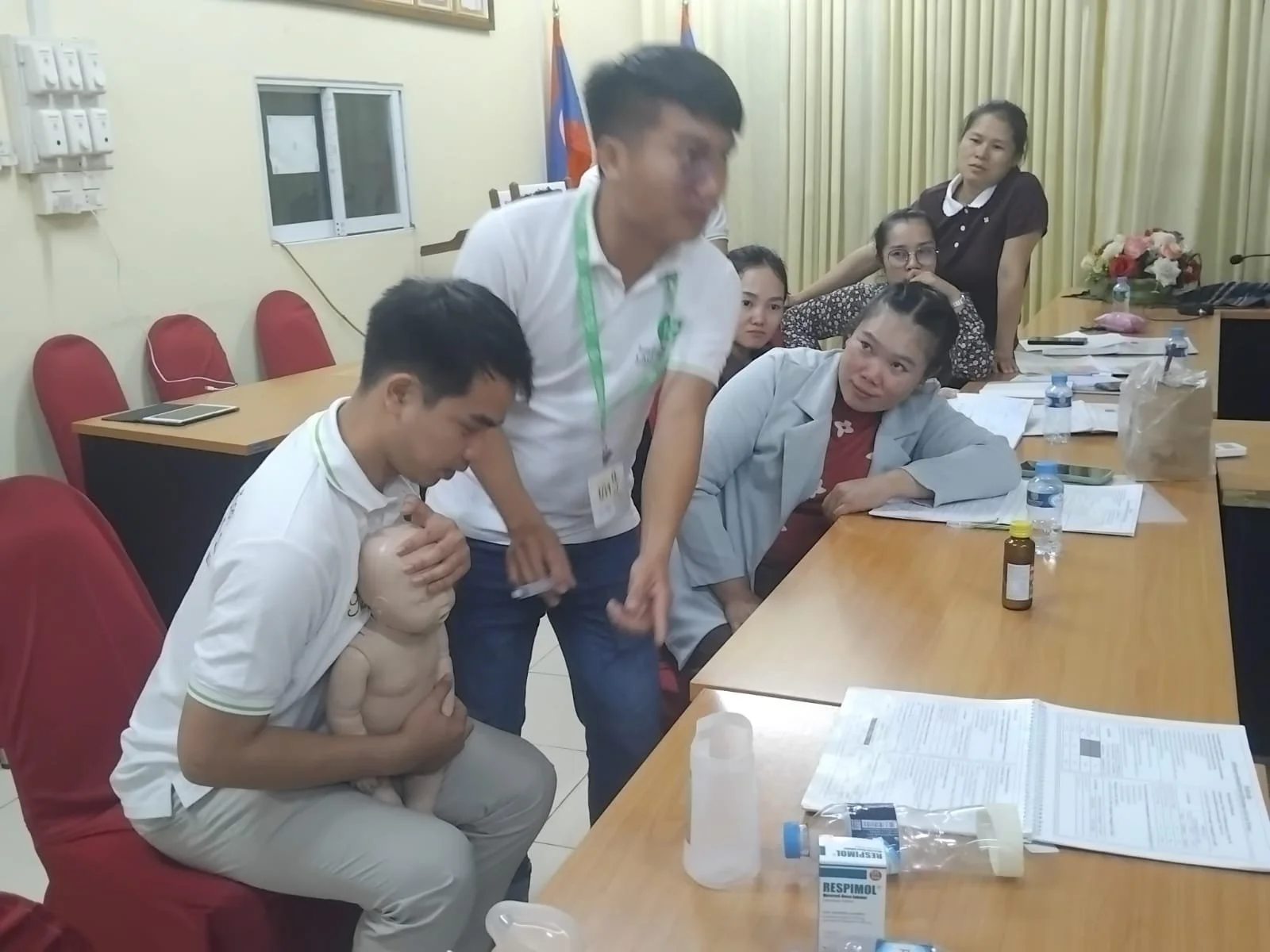
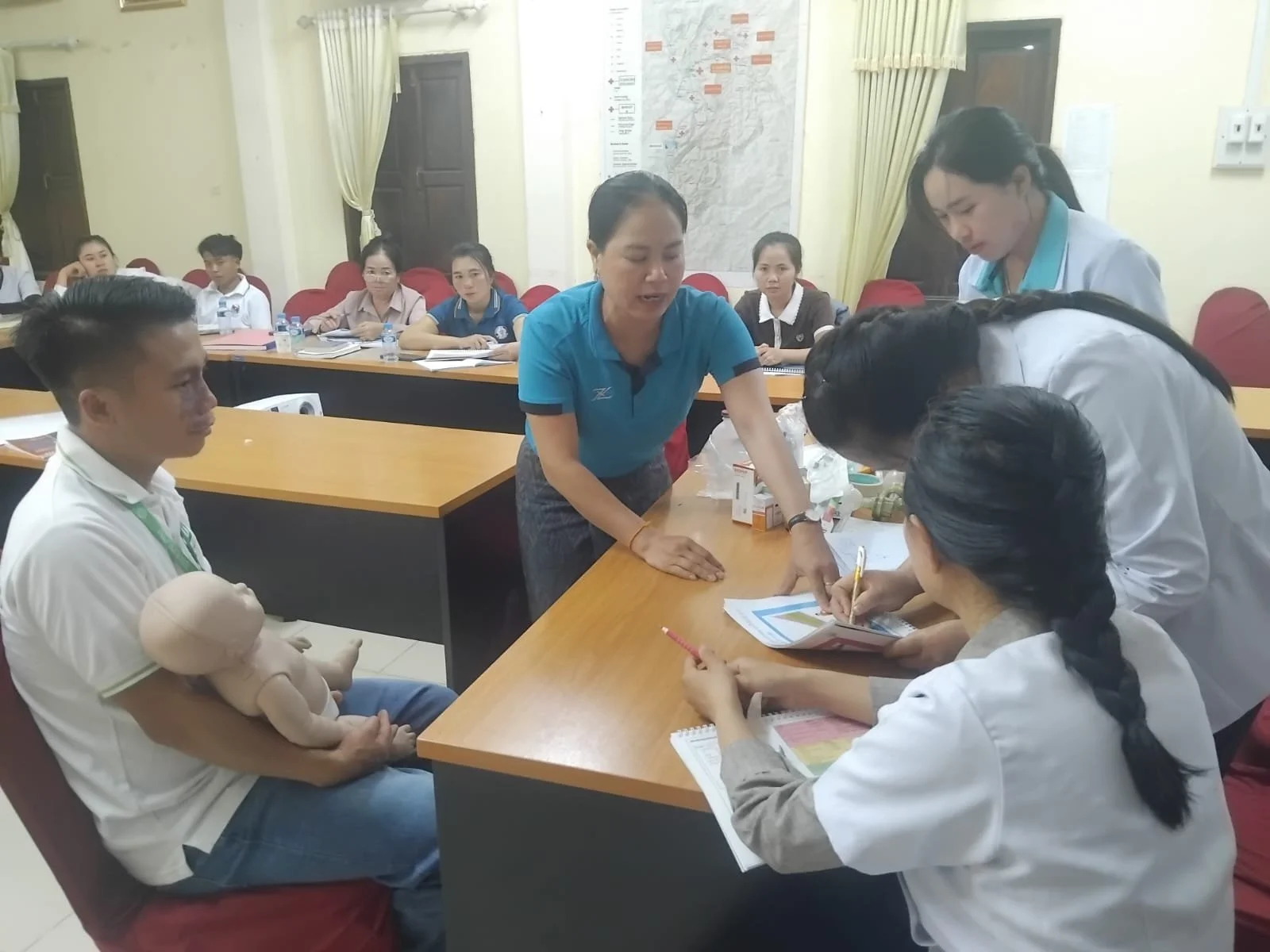
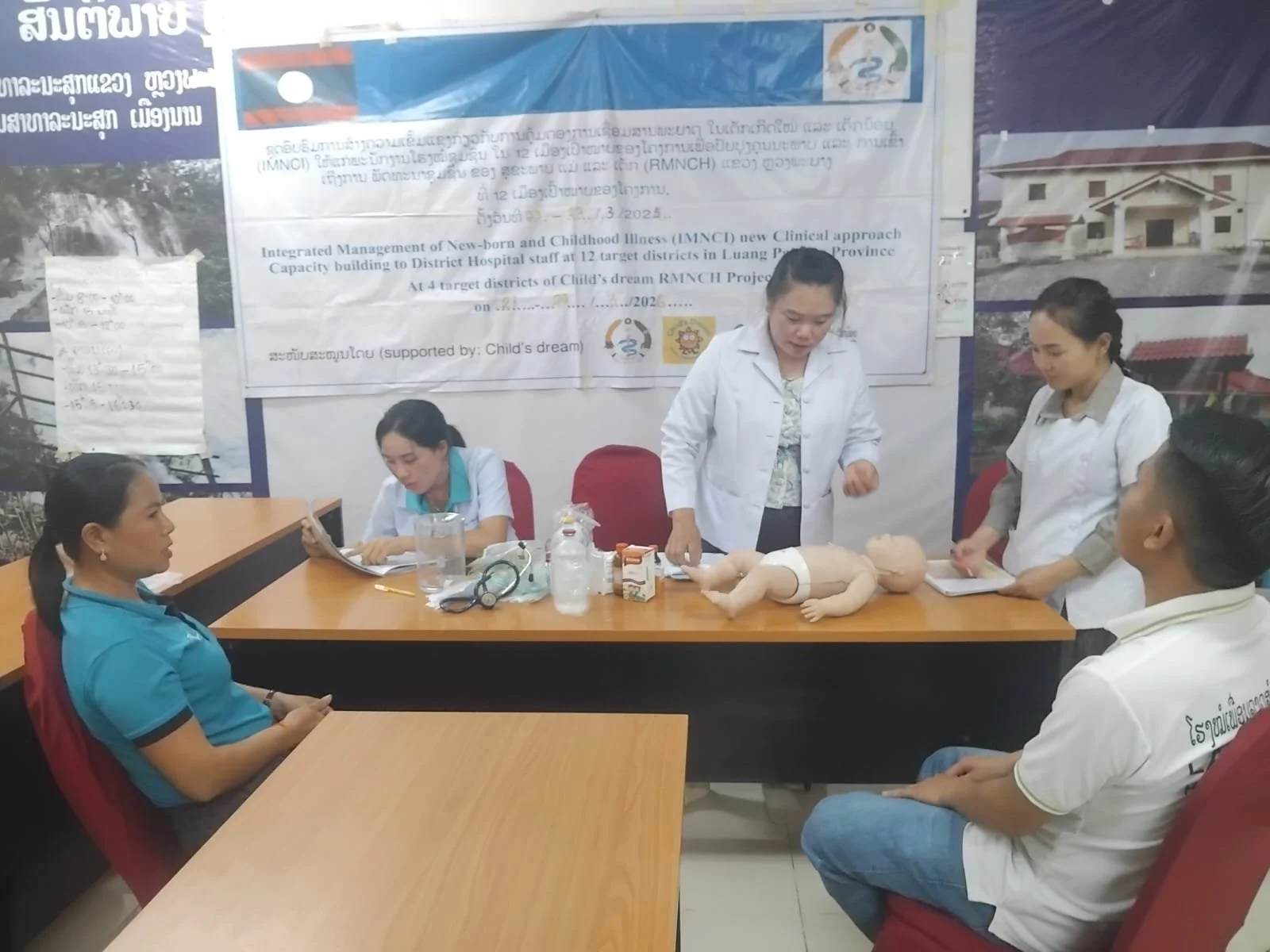
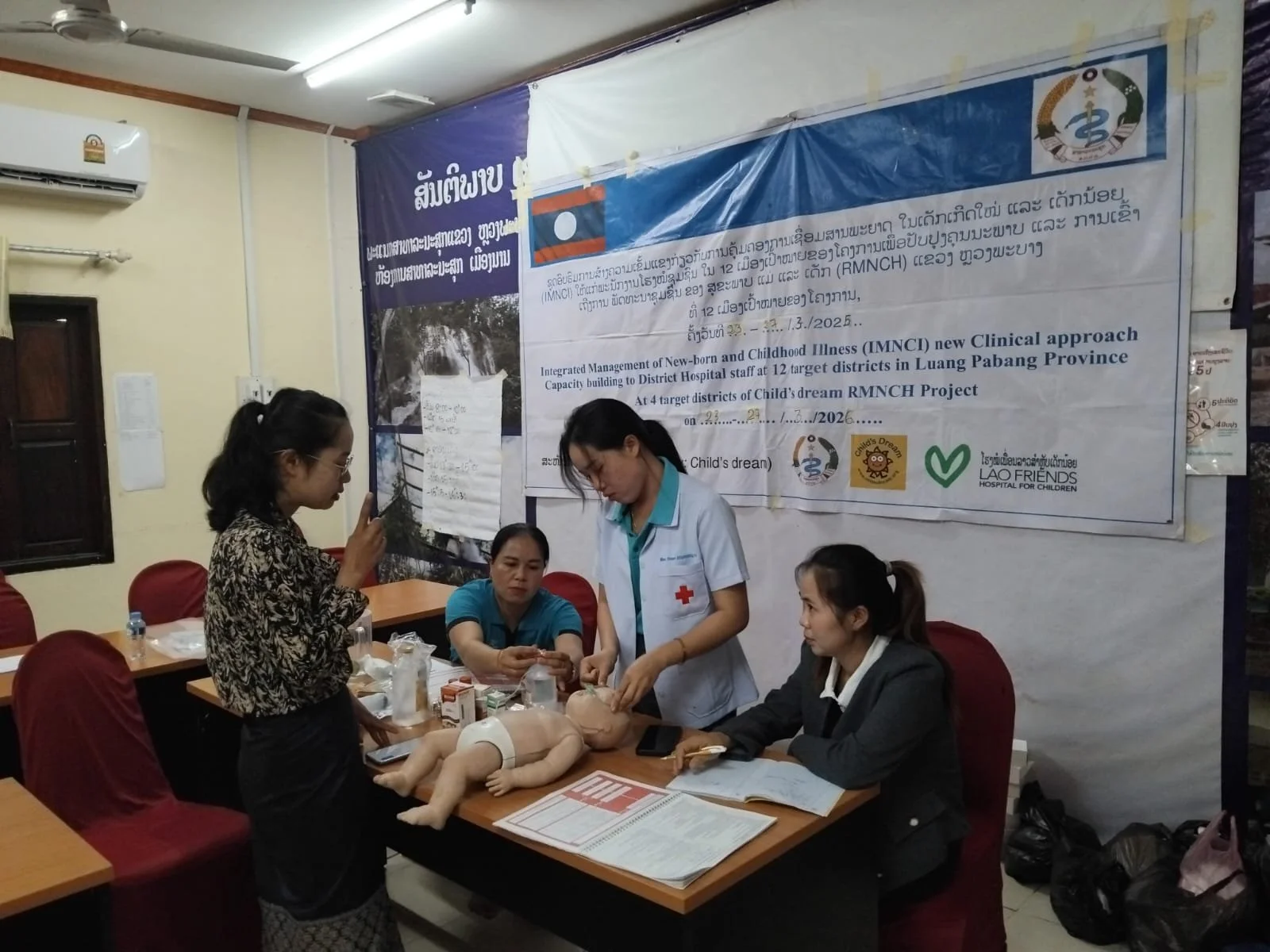
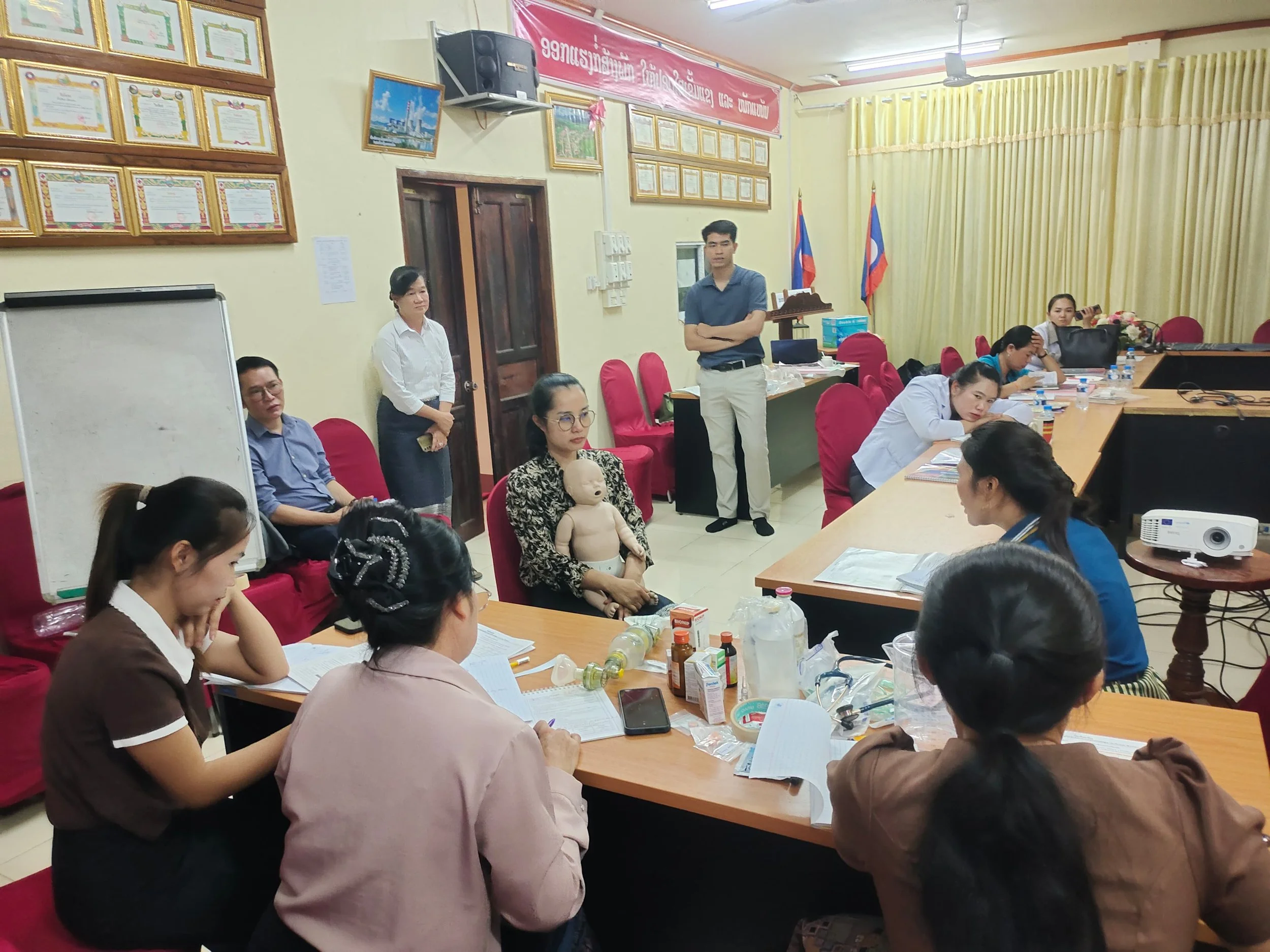
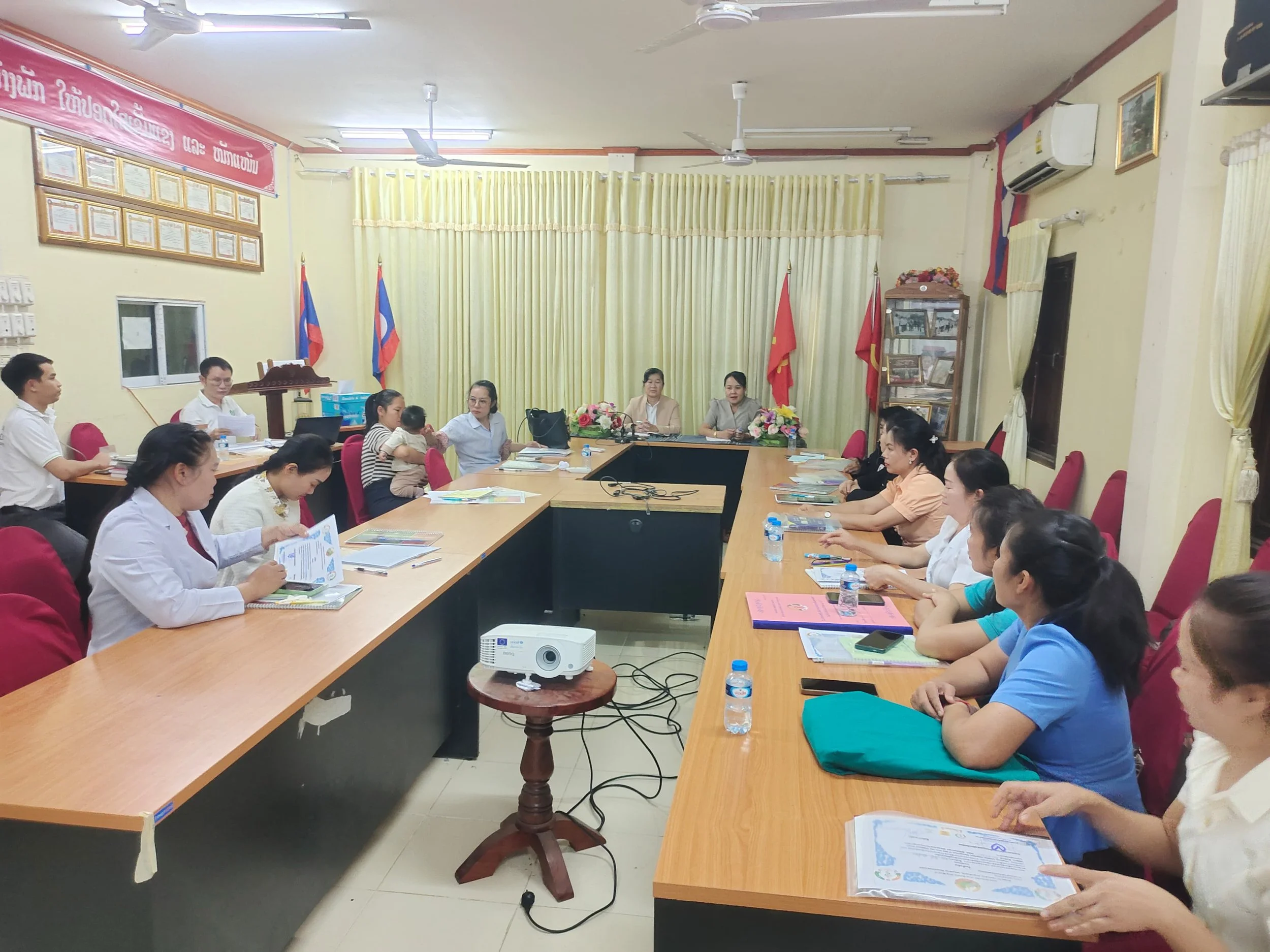
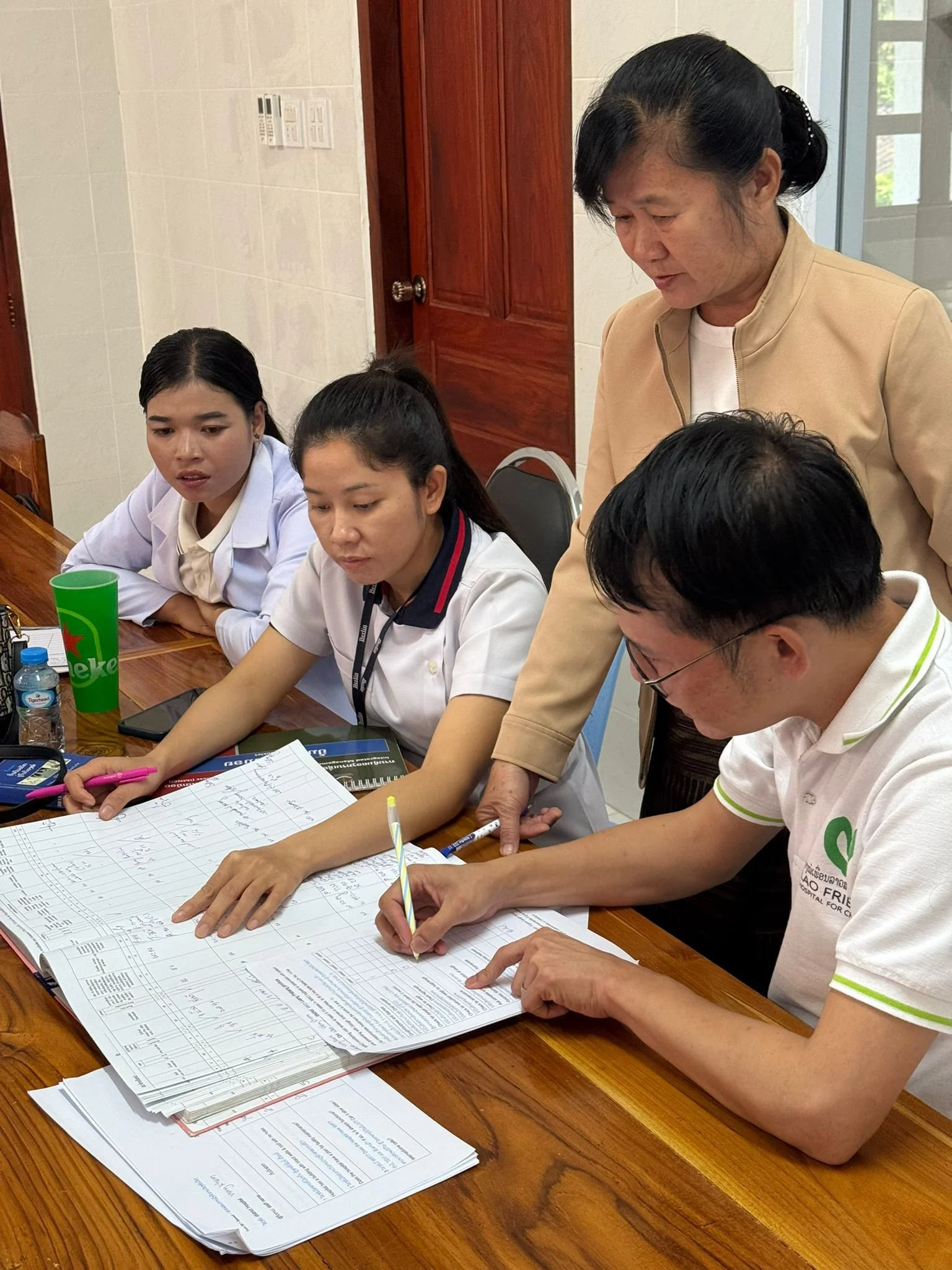
The training is practical, hands-on, and designed for real district hospital settings. Doctors, nurses, and midwives work through case scenarios together, practice fluid and medication calculations, and receive feedback from LFHC and Provincial Health Department trainers.
Just as importantly, the training helps build confidence. Staff are encouraged to discuss cases as a team, contact LFHC for advice when needed, and refer children earlier and more appropriately when specialist care is required.
Progress made in 2026 so far…
By the end of 2026, LFHC’s District Hospital Support Program is expected to have reached all 12 district hospitals in Luang Prabang Province.
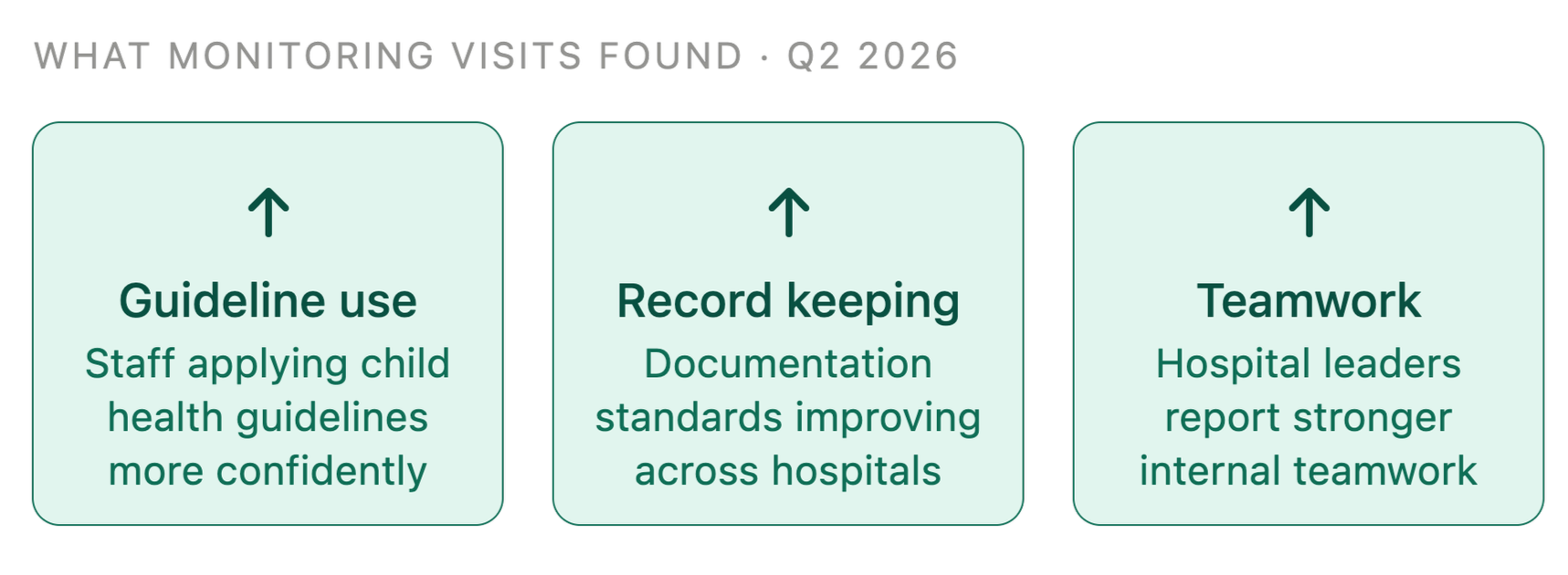
In Quarter 2 of 2026, LFHC and the Provincial Health Department visited Xiengneun, Chompet, and Pakou district hospitals to review progress and understand what support is still needed.
The visits showed encouraging signs. Staff are using child health guidelines more confidently, records are improving, and infection prevention systems remain strong. Hospital leaders also shared that teamwork has improved, referrals to LFHC are clearer, and staff feel more confident asking for advice before deciding whether a child needs to travel to Luang Prabang.
These changes may seem simple, but they matter. They mean sick children can be assessed earlier, treated more safely, and referred more appropriately when specialist care is needed.
Training Results Show Strong Learning
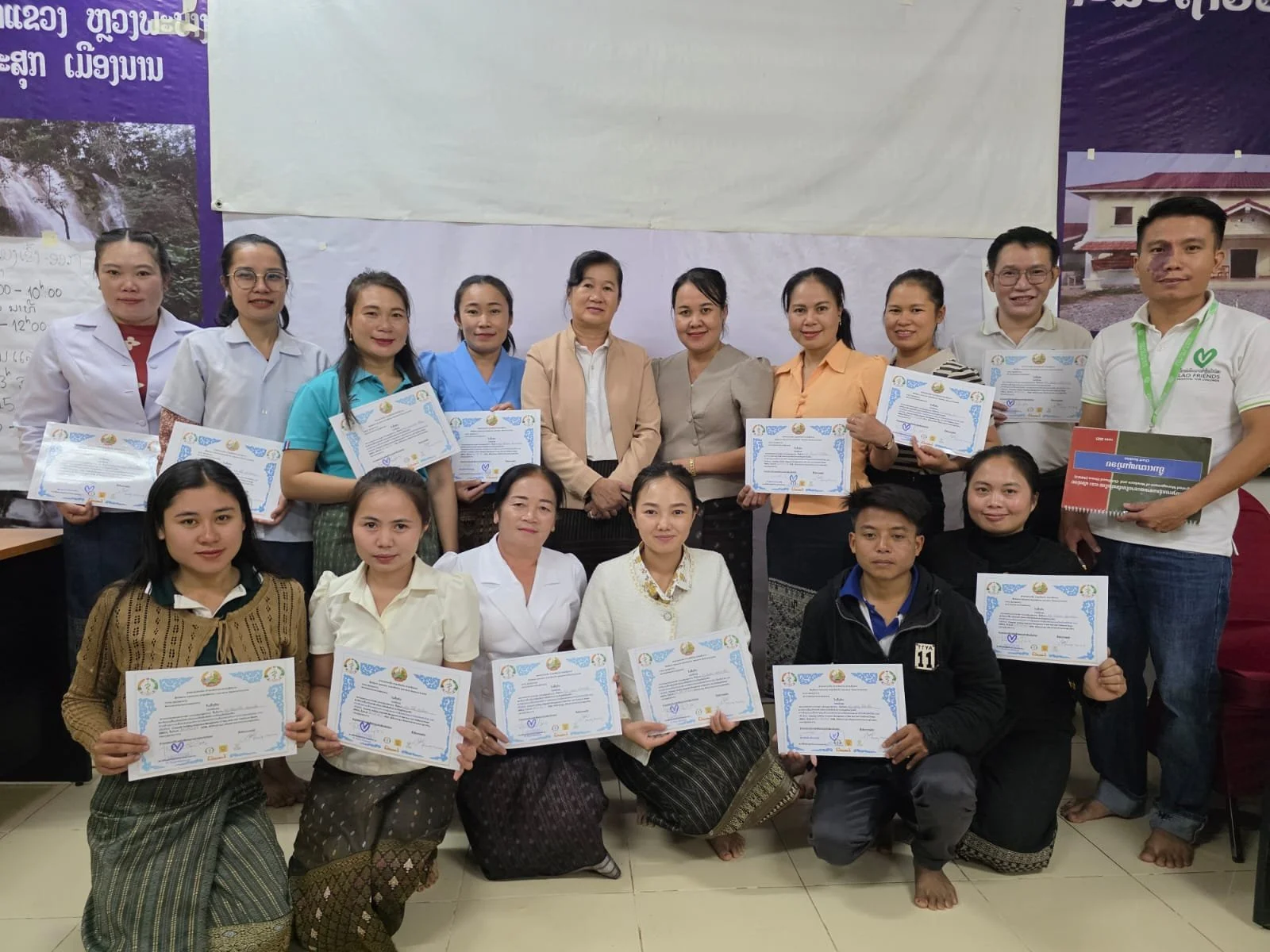
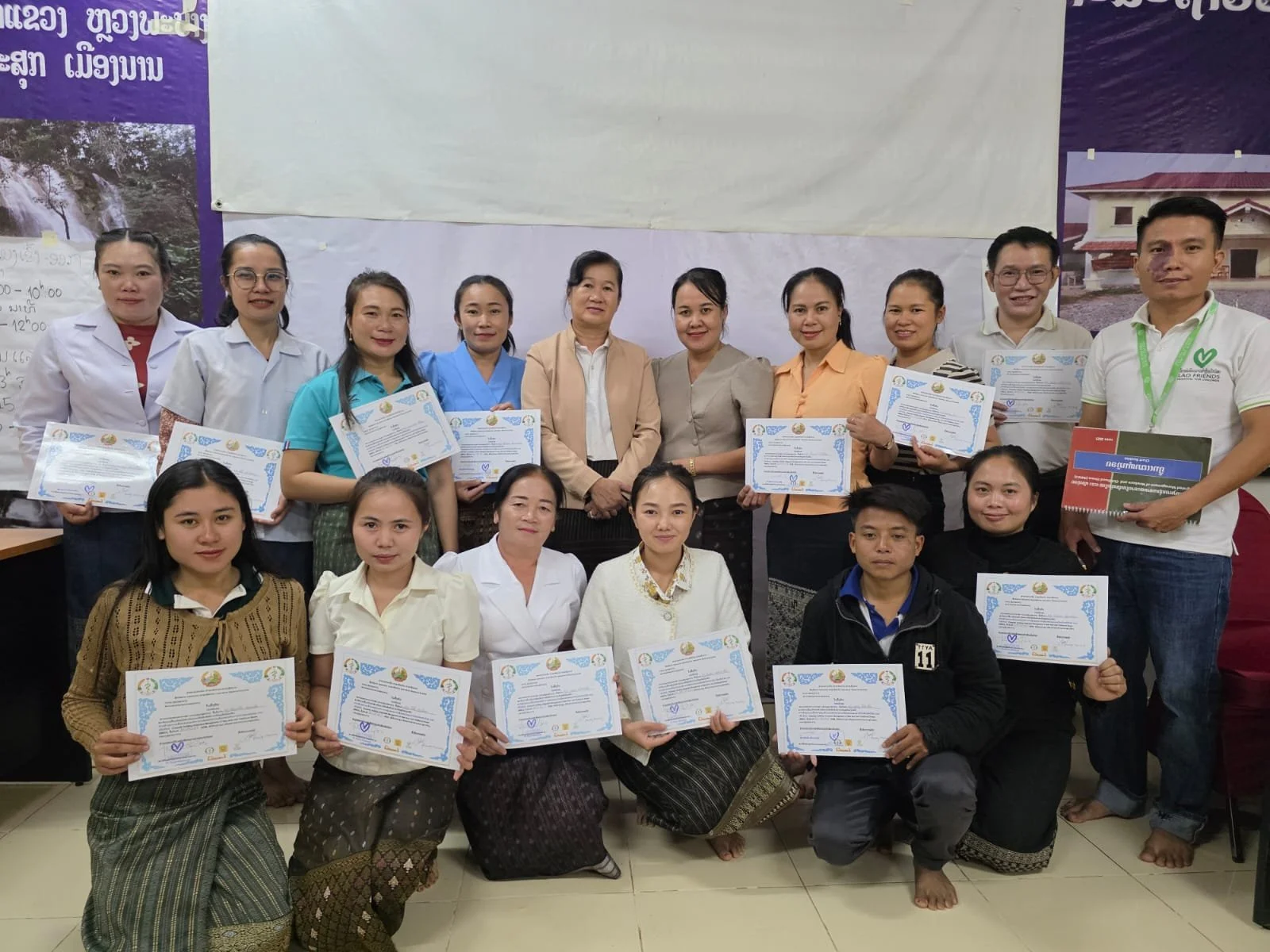
Also in quarter 2, LFHC and the Provincial Health Department delivered four training courses for district hospital staff.
Two courses focused on emergency and newborn care at Nan and Luang Prabang district hospitals. After the training, the staff showed great improvement in their knowledge and confidence. They practiced how to respond when a child is very sick, including newborns who need help breathing, children with seizures, severe dehydration, shock, or other urgent conditions.
The program also tested a new five-day refresher course in Phonthong and Pakxeng. This course brought together key lessons from previous training sessions, helping staff refresh both everyday child healthcare and emergency care skills.
Feedback from participants was very positive. Many said the practical case scenarios helped them understand what to do in real situations. They also asked for regular refresher training, showing how valuable ongoing support is for rural health teams.
Other Barriers to Overcome
While the progress is clear, the Q2 findings also show that training must be supported by the right tools.
Some hospitals still lack essential emergency medicines, oxygen delivery equipment, suction equipment, nasogastric tubes, intravenous fluids, and therapeutic nutrition products used to treat severely malnourished children. Biomedical engineering capacity also remains a challenge, with broken or aging equipment reported in some hospitals, including oxygen concentrators and laboratory equipment.
This matters because a trained health worker can only do so much without the equipment and supplies needed to put that training into practice.
The program is therefore not only about teaching. It is also about understanding what each district hospital needs, identifying gaps, and working with local hospital leaders, the Provincial Health Department, and development partners to find practical solutions to these barriers.
Building a Stronger Health System Together and Looking Ahead
One of the greatest strengths of the District Hospital Support Program is the connection it is building between LFHC and district hospitals.
Staff in rural hospitals now feel more confident contacting LFHC for advice, discussing difficult cases, and referring children when specialist care is needed. For families, this means children can receive safe care closer to home. When referral is necessary, it can happen earlier, more safely, and with better communication between hospitals.
Looking ahead, LFHC and the Provincial Health Department will continue training and monitoring visits through the rest of 2026. The next phase will focus on maintaining strong progress through refresher training, supportive supervision, improved equipment readiness, and continued collaboration with district and provincial health teams.
With the continued support of donors and partners, LFHC is not only caring for children at our hospital. We are helping build a stronger, safer system of care for children across northern Laos.
Together, we are bringing better healthcare closer to home.