Q&A: Get to Know LFHC’s New Director of Hospital Services
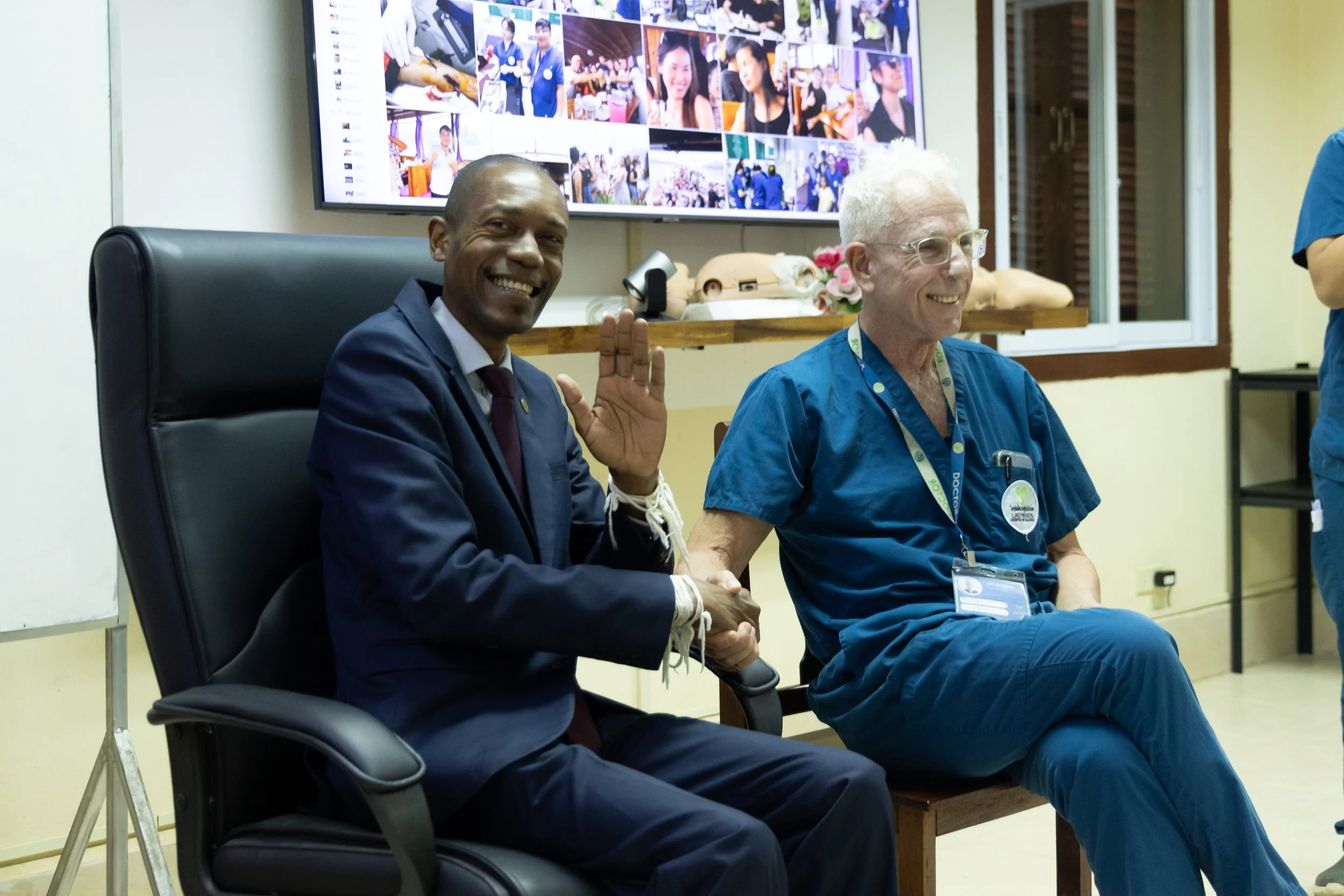
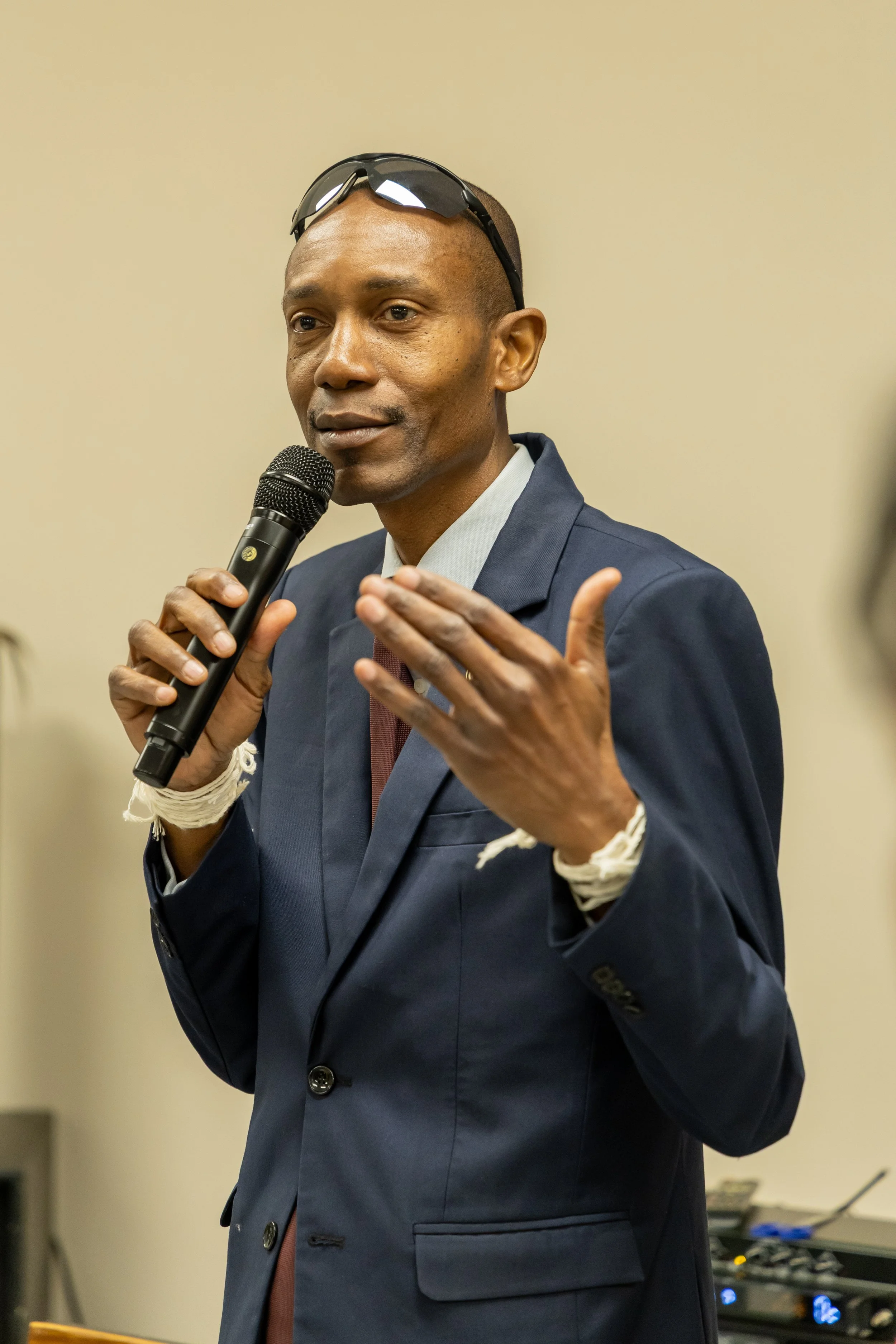
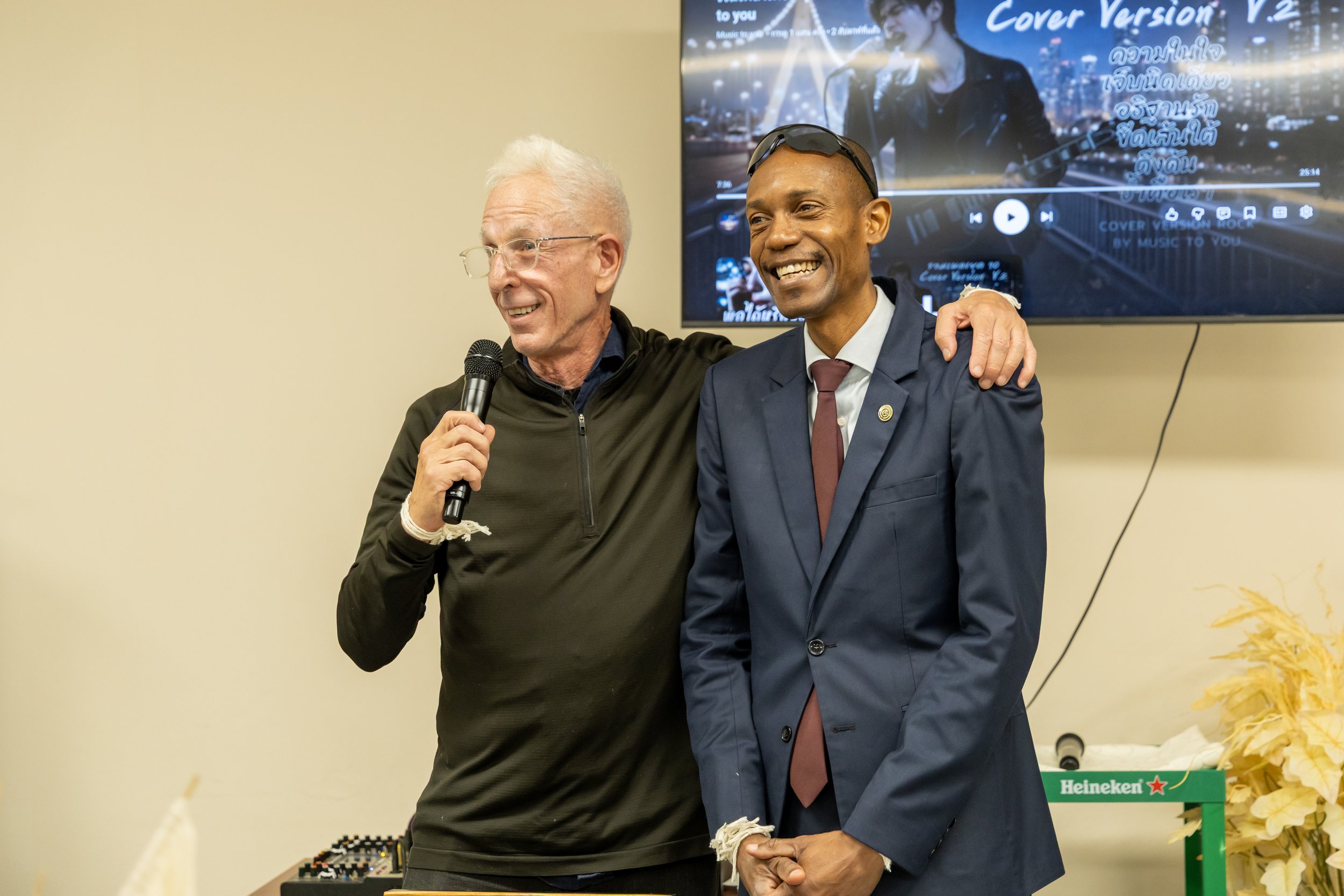
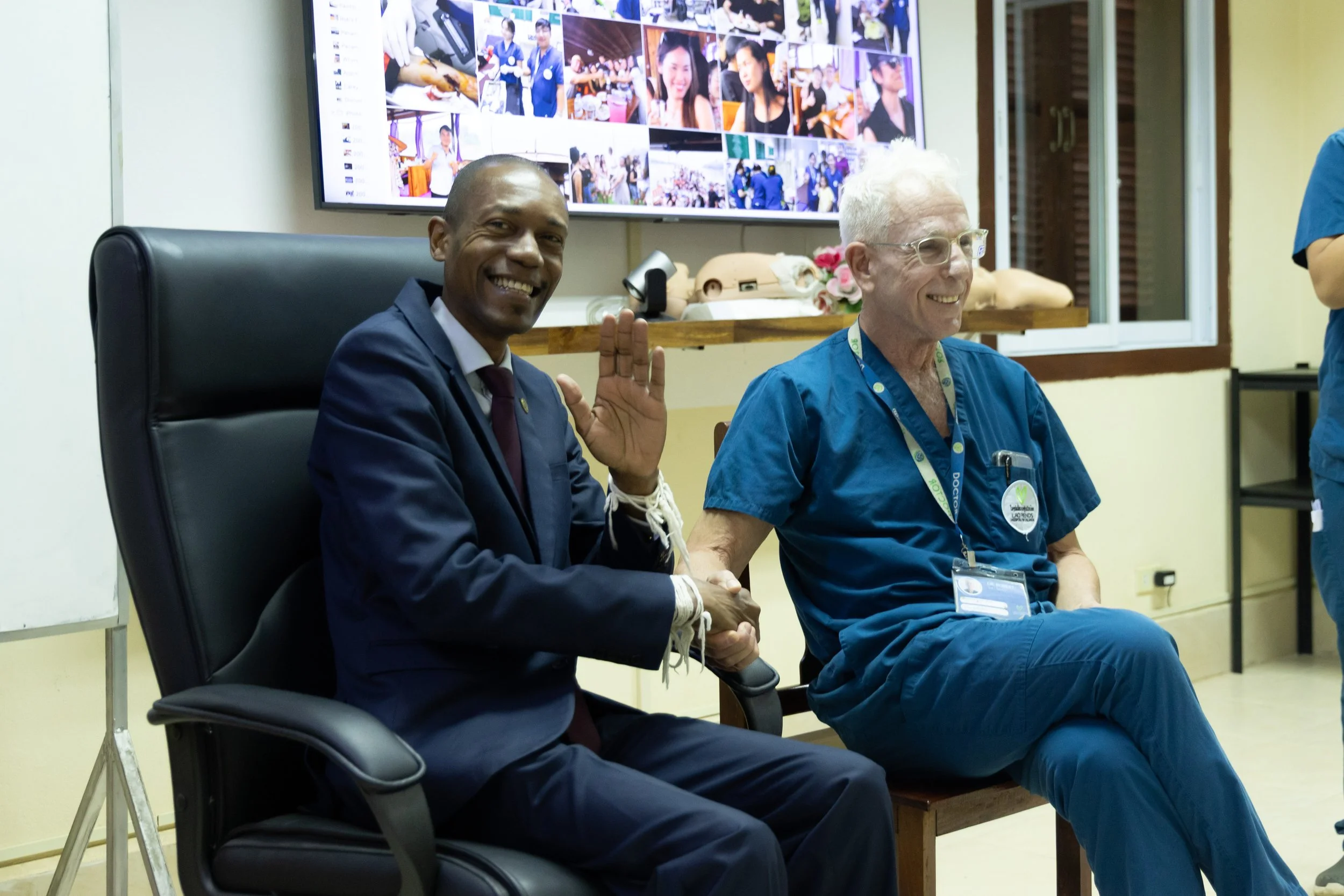
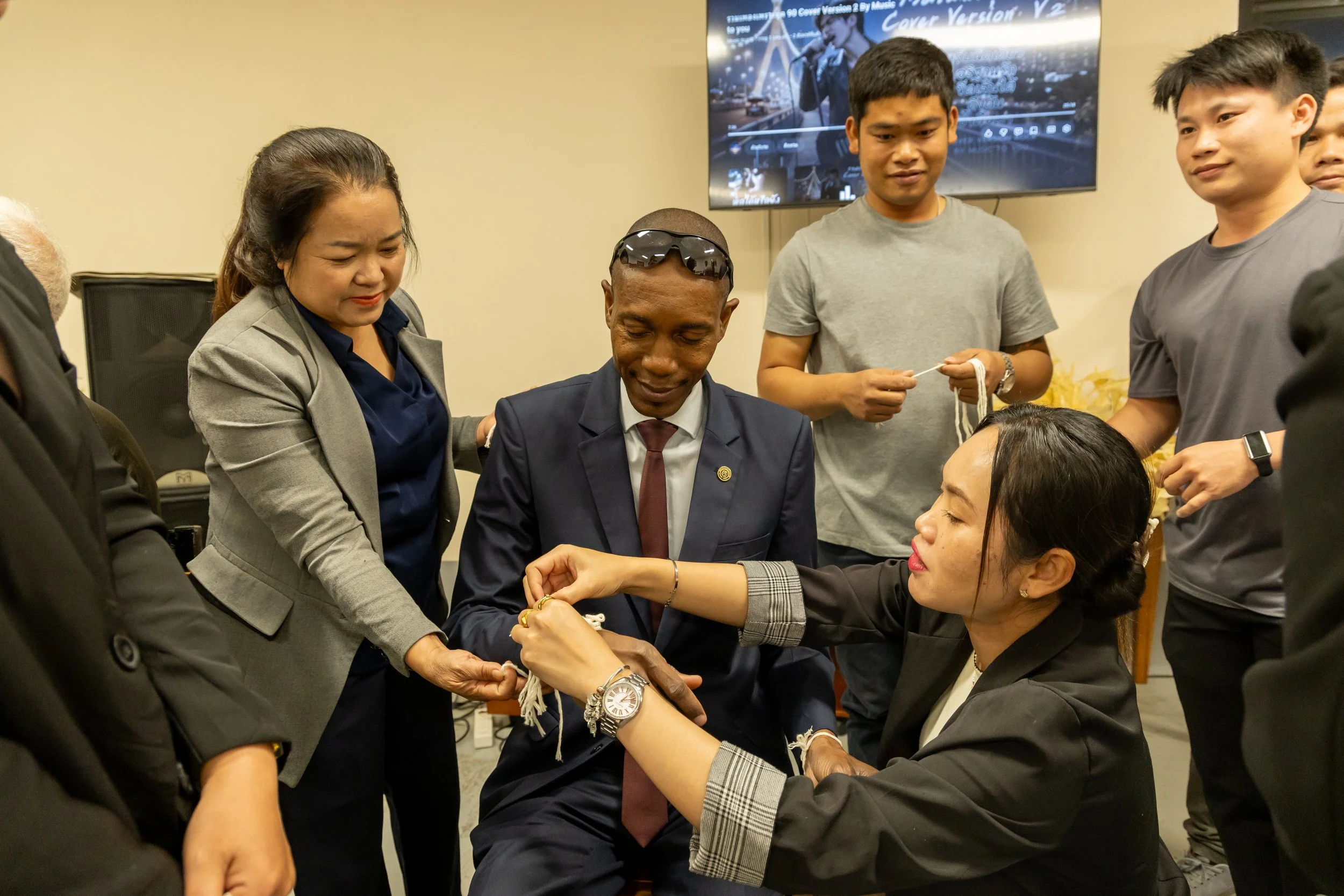
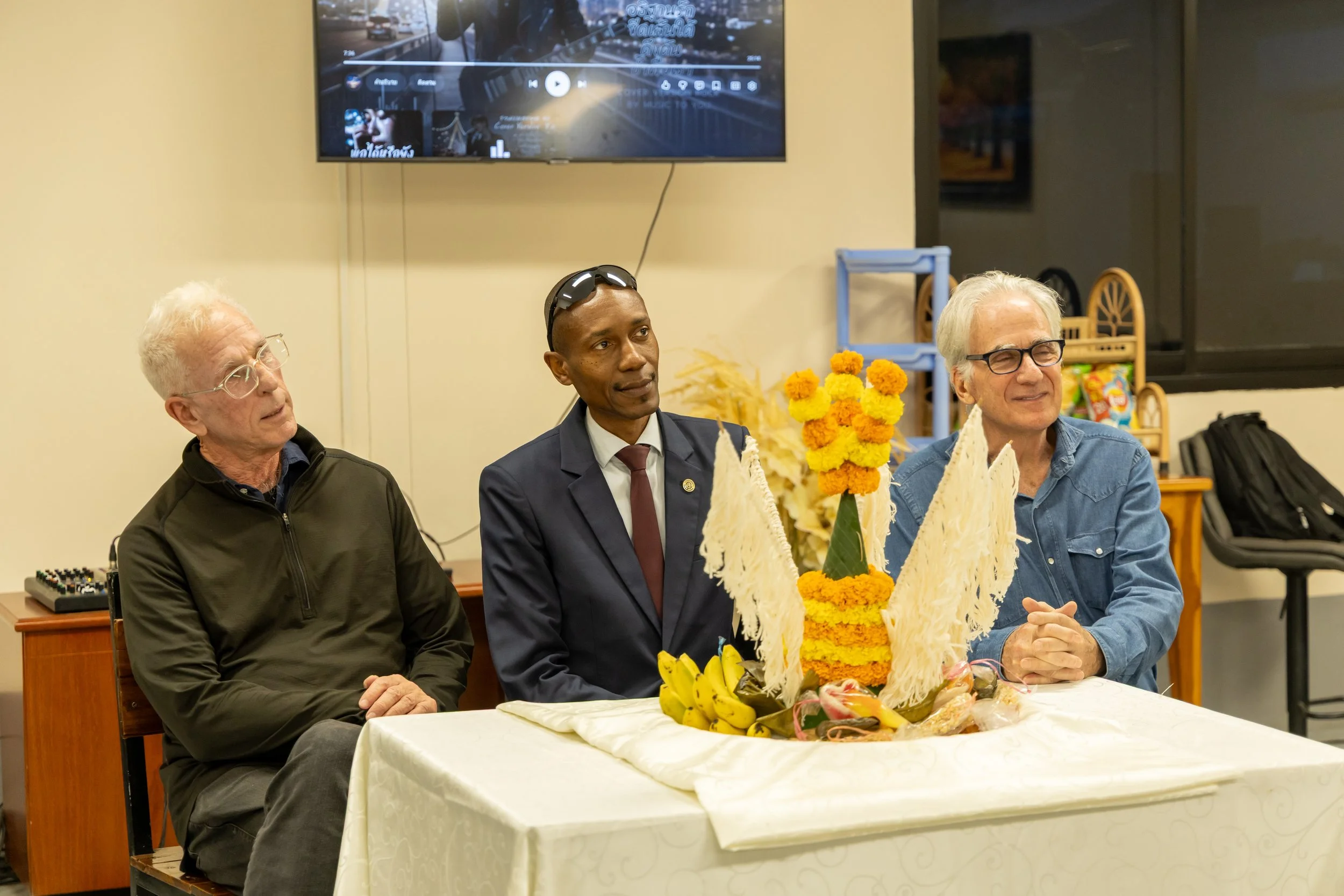
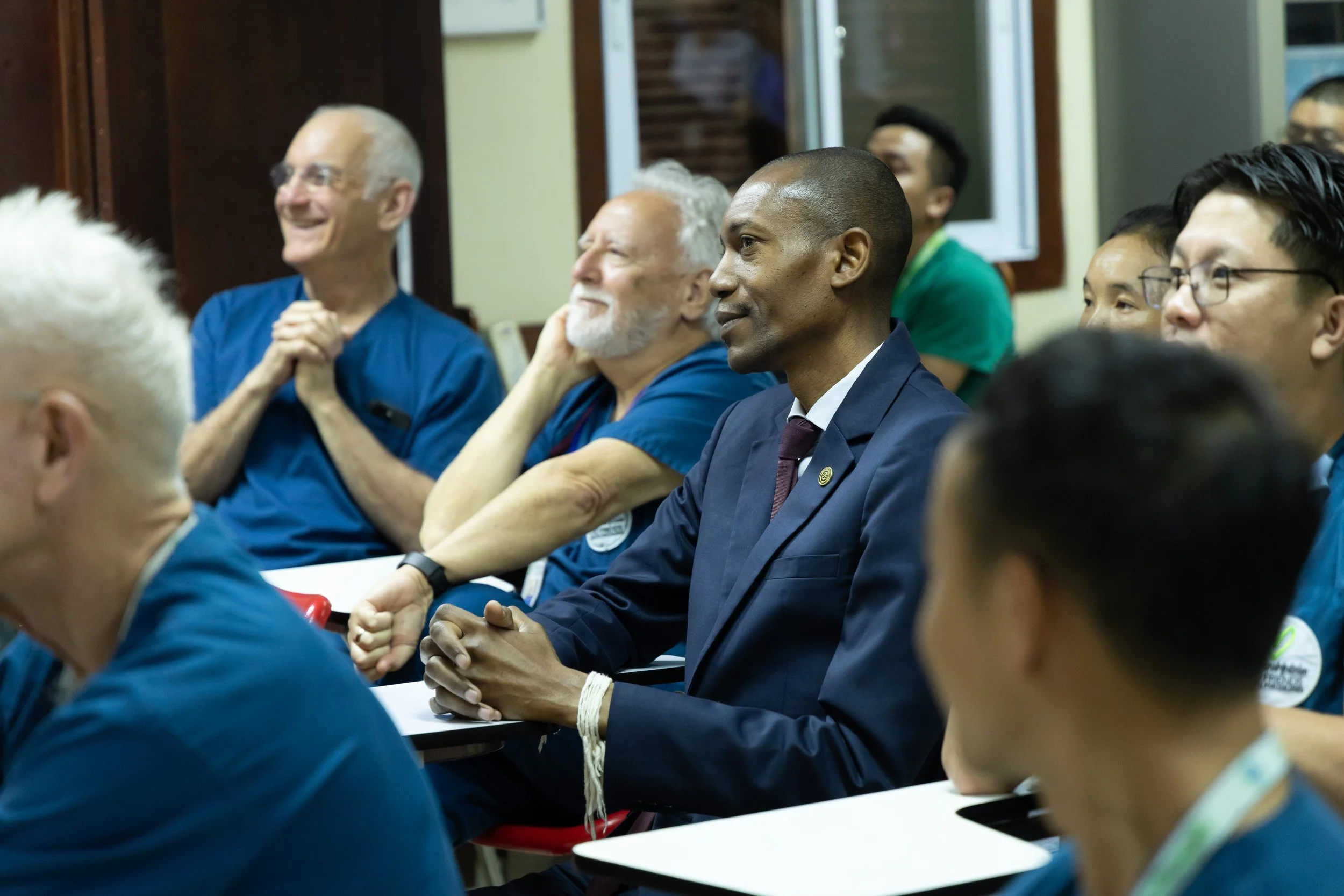
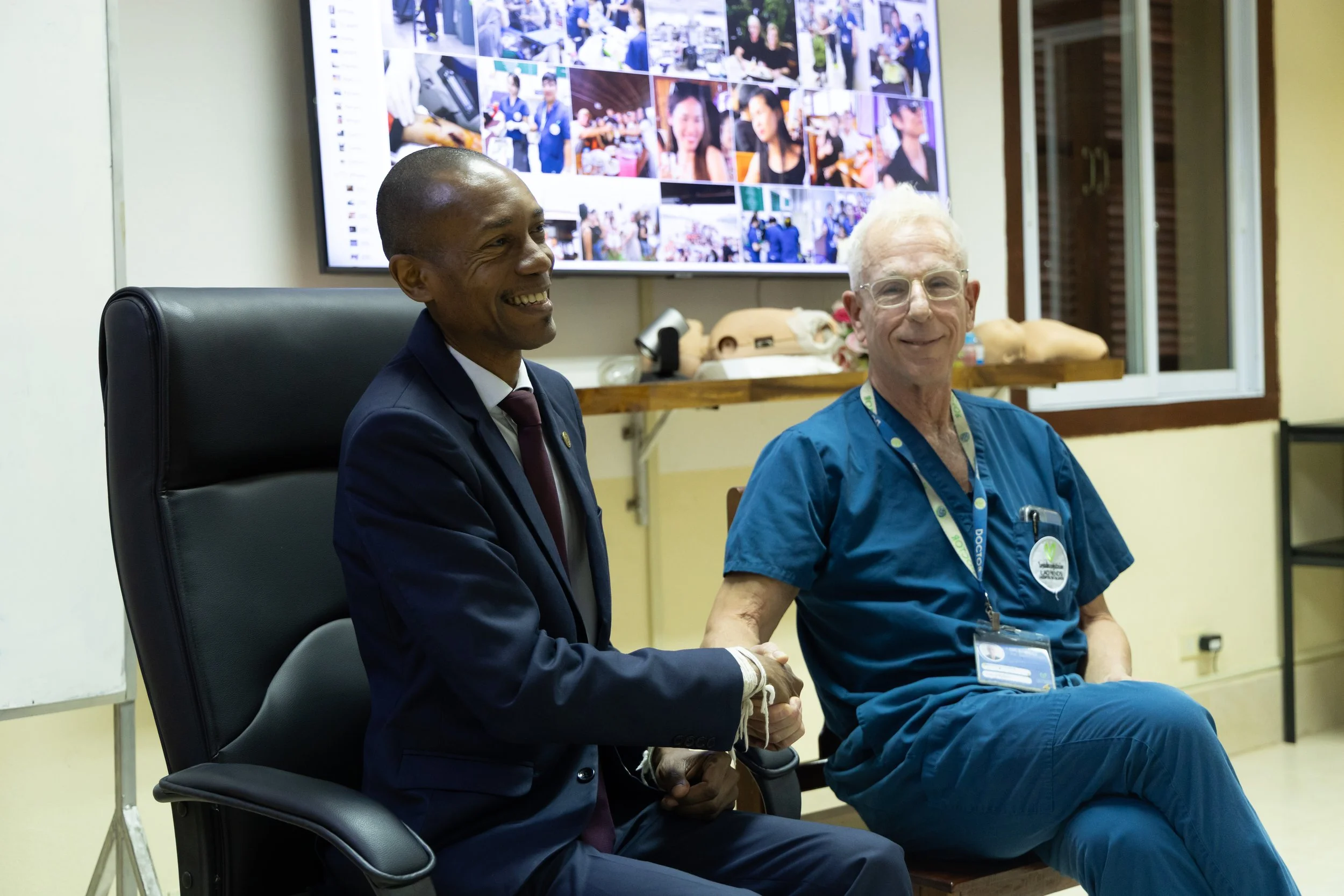
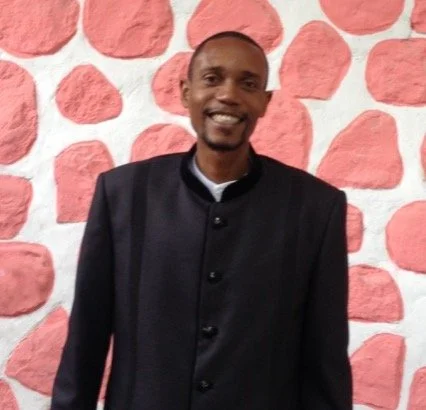
We sat down with Dr. Joseph Adrien Emmanuel Demes to get to know him better. Newly appointed as Director of Hospital Services, Dr. Demes takes on the role following the completion of Dr. Robert Winokur's tenure at LFHC.
We’re proud to welcome someone with Dr. Demes' breadth of experience and expertise to carry forward the strong legacy of leadership that our former directors have built upon. With a remarkable career spanning Haiti, the Democratic Republic of Congo, Ethiopia, and beyond, Dr. Demes brings over 20 years of public health experience. Warm, thoughtful, and deeply committed to children's wellbeing, he shares his journey, his hopes for LFHC, and what it feels like to call Laos his new home
1. Welcome to Laos and welcome to LFHC, can you tell us a little about yourself?
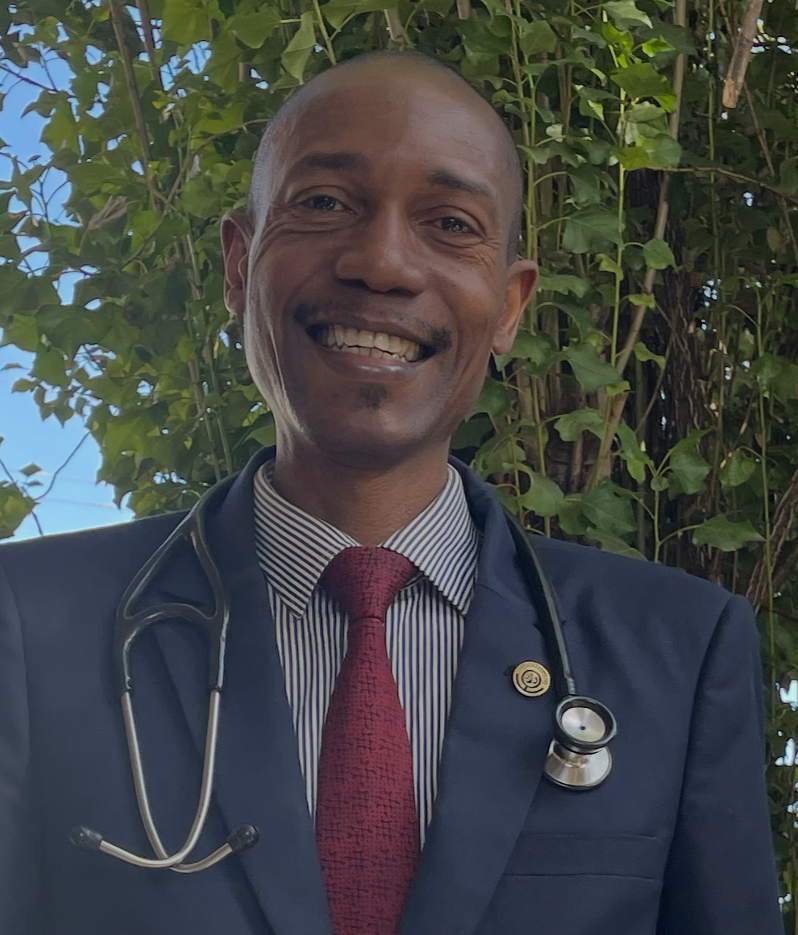
My name is Dr. Joseph Adrien Emmanuel Demes, and I am a medical doctor from Haiti. I hold a Master of Public Health (MPH) from the Institute of Tropical Medicine in Antwerp, Belgium, and a Ph.D. in Public Health from the University of Montreal, Canada.
With more than 20 years of professional experience in public health, education, health system, clinical practices, I have developed strong expertise in leadership, management, health services organization, health system strengthening, quality improvement, research, monitoring and evaluation, clinical care, and community health.
I can contribute to LFHC teams by fostering a positive and collaborative work environment where professionals feel empowered to give their best and provide compassionate, high-quality care. I also work to help organizations, like LFHC and FWAB, the stakeholders, and the health authorities develop effective structures and systems that support families, communities, and children in achieving healthier and more prosperous lives.
2. You've worked in some remarkable places around the world. What's one experience from your humanitarian career that has stayed with you?
In 2004, I worked in the Democratic Republic of Congo (DRC) in a complex humanitarian emergency context. The situation was particularly challenging due to the conflict in Eastern DRC, which resulted in large numbers of internally displaced people and a severely disrupted health system.
I was providing health services in Itombwe and Minembwe in the highlands, extremely remote and mountainous areas where there are no accessible roads for vehicles. To reach the communities, we collaborated closely with the Ministry of Health to organize mobile clinics and outreach health posts, bringing essential health services directly to the population.
In some instances, I had to walk for up to twelve hours through difficult terrain to reach isolated villages. Despite the challenges, these journeys were deeply meaningful. When our team arrived, the entire village would welcome us warmly and provide lodging so that we could stay overnight and deliver health services the following day.
These outreach activities allowed us to provide integrated health services, including prenatal care, vaccinations, vitamin A supplementation, deworming, malnutrition prevention and activities, health education, and discussions with community leaders about key health challenges. At the same time, we were able to offer curative care to those in need. We also trained and supervised, in coordination with the Ministry of Health, Community Health Workers who live in these remote villages and provide preventive, curative, and health promotion services to the local population.
This integrated and participative approach to delivering care has stayed with me. It not only improves access to essential health services but also strengthens
3. What drew you to apply to LFHC as the director of hospital services and to working in a children's hospital setting specifically?
This new position as Director of Hospital Services allows me to apply many aspects of my skills, experience, and values. It represents a unique opportunity for me to contribute to something deeply meaningful. Children are the future of humanity, and the Lao Friends Hospital for Children (LFHC) is an essential institution that can provide integrated care to children, help them thrive and grow in a healthy way, and ultimately contribute to the development of their communities and of Laos as a whole.
4. What was your reaction when you found out you'd be coming to Laos, and what are you most curious about?
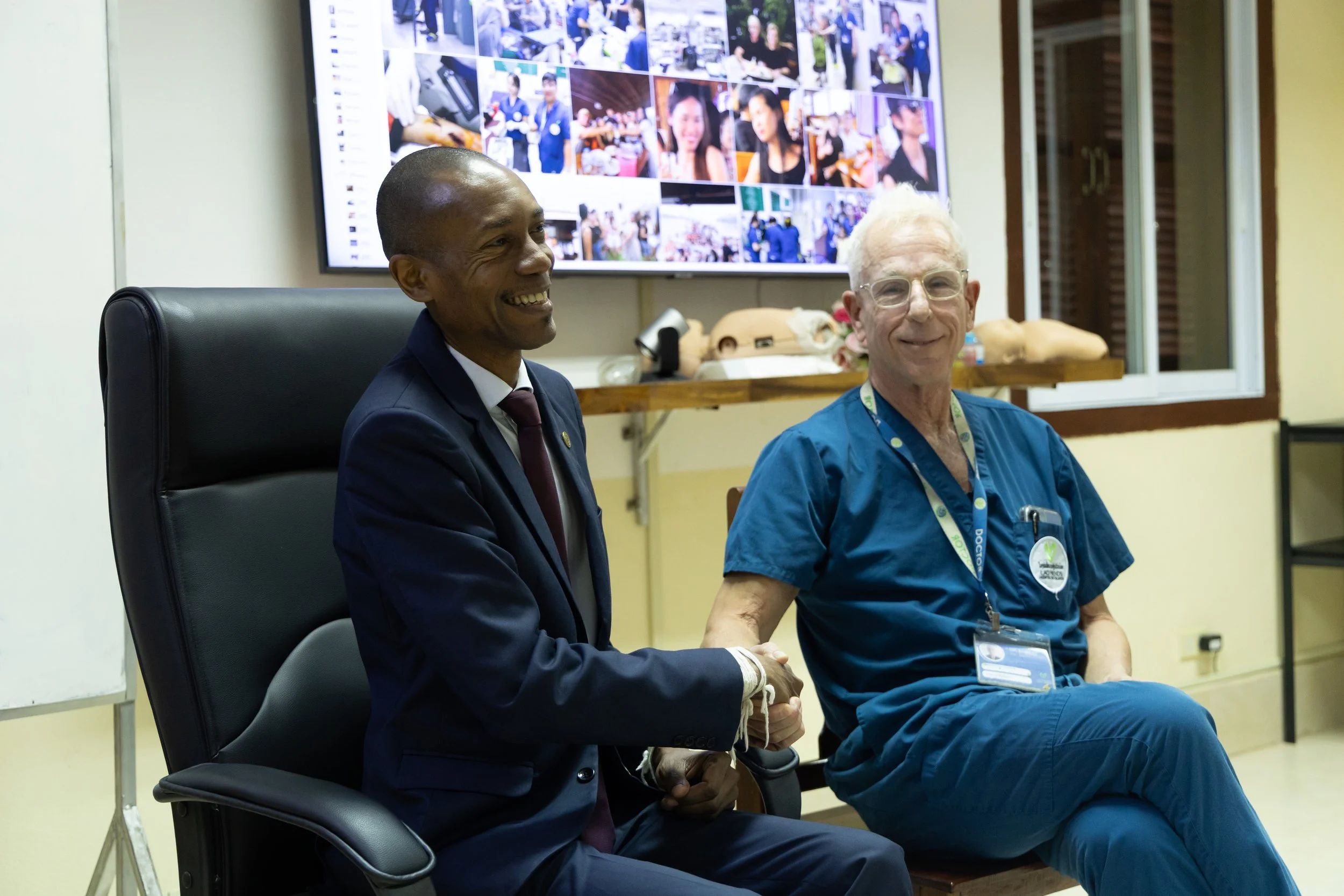
When it was confirmed that I would be coming to Laos, I was extremely excited; I even cried with joy. I told myself what a great opportunity it would be to contribute to a meaningful cause.
Before this transition, I was working in Ethiopia with an international multilateral organization supporting 28 countries in areas such as education, integrated health, endogenous technology, agriculture, research, and financing for development.
In Ethiopia, our organization had diplomatic status, and our work focused on supporting governments, civil society, and universities to build sustainable systems across the Greater South.
5. What’s the first thing you'd like to focus on in your work here?
I would like to focus on improving our mortality review process and collaborating closely with the teams to reduce the neonatal mortality rate at LFHC. There is already a dedicated team in place, and I will do my best to support them in identifying and addressing the root causes and drivers of child mortality.
I have also learned that some children are dying from preventable diseases, which is truly heartbreaking. This is not only important—it is urgent. We must act decisively, and I am committed to working collectively with the team, the Luang Prabang provincial authorities, and stakeholders to implement solutions and save lives.
6. You've worked in many challenging environments before. What's your advice when it comes to staying positive and keeping teams motivated?
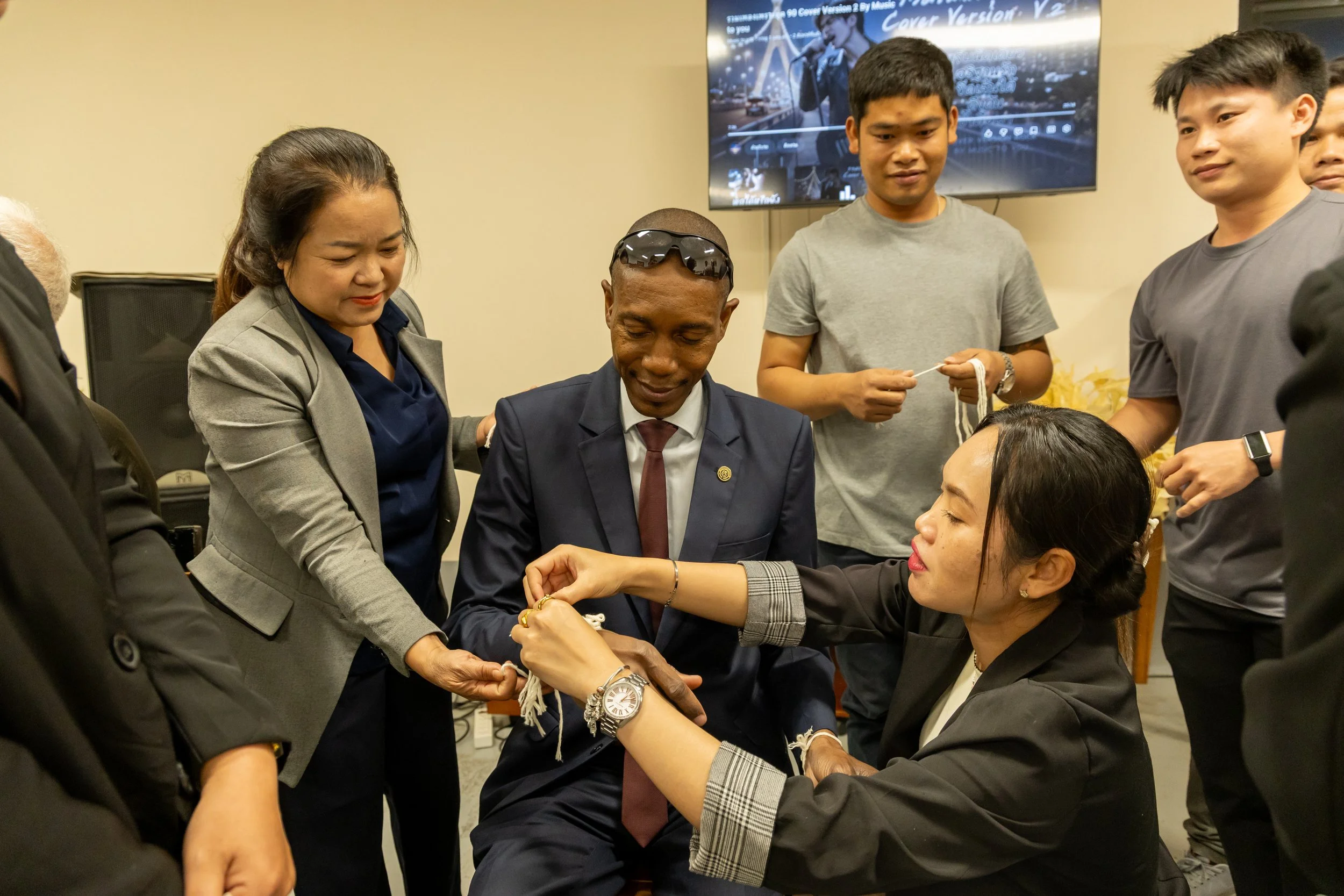
Praying and dancing are two important ways I cope with stressful situations. I particularly enjoy dancing salsa. While working in Addis Ababa, Ethiopia, I made it a routine to dance salsa every Saturday. It helped me maintain a healthy balance between my professional responsibilities and my social life.
I am naturally an optimistic person, which helps me remain resilient and motivated during challenging times. I try to keep faith that even in the darkest moments, light will eventually appear, even when it is not immediately visible..”
Those words really capture the spirit of a director who embraced the Lao culture, met every challenge with dedication, and leaves behind a legacy shaped by compassion and service.
8. Getting to know you personally - How many languages can you speak? Are you excited to learn a bit of Lao?
I am fluent in Haitian Creole, French, English, and Spanish, and I am fully committed to learning the Lao languages to better connect with the community.
9. What's at the top of your must-try or must-discover to see in Laos in general?
I would like to visit some spectacular and beautiful caves in Laos.
10. What’s your message to the team at LFHC as you step into this role?
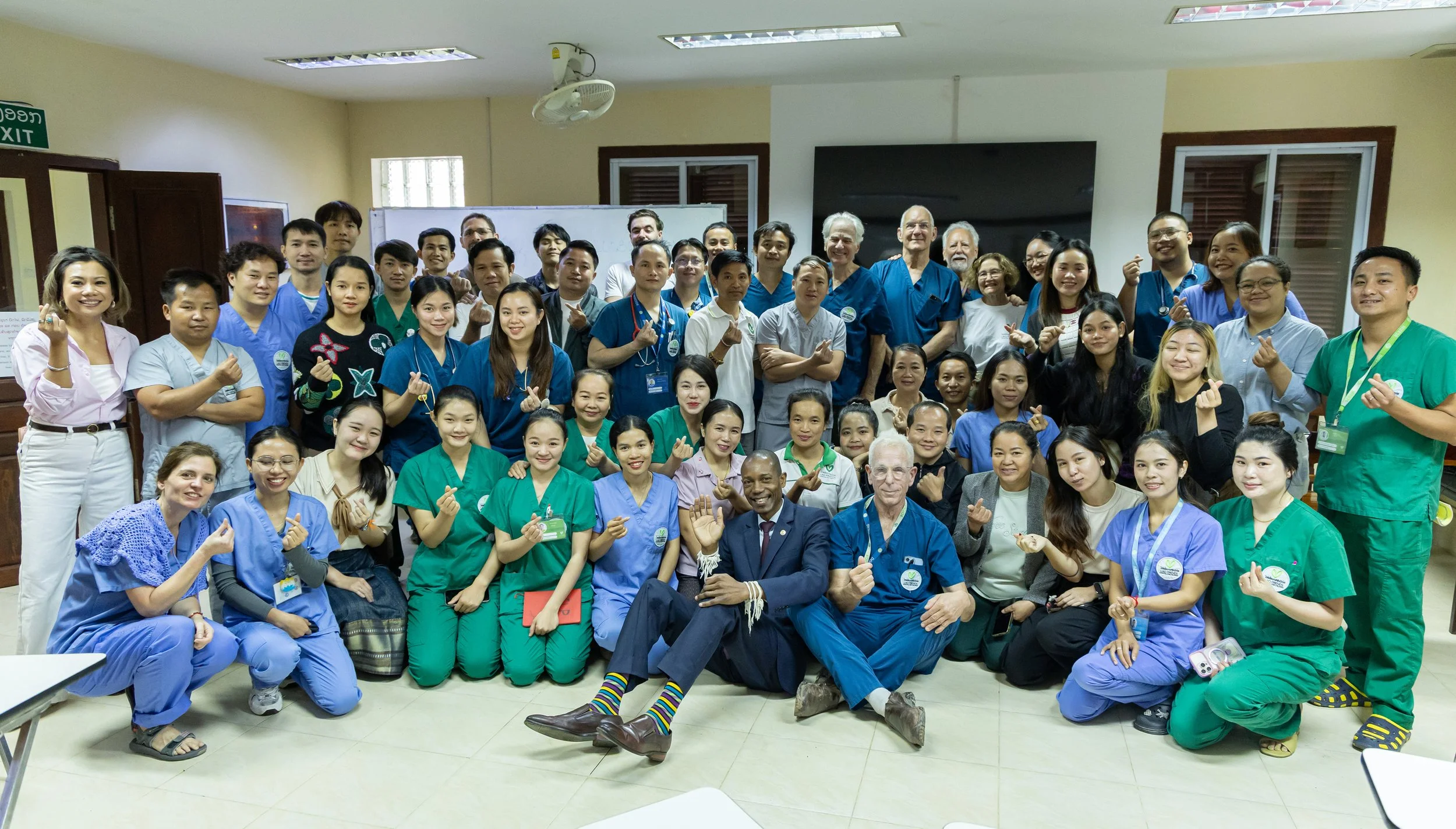
I care deeply about each of you, and I will do my best to serve and foster a joyful working environment where we support one another, learn together, and grow as a team.