The Road to Save Namthip
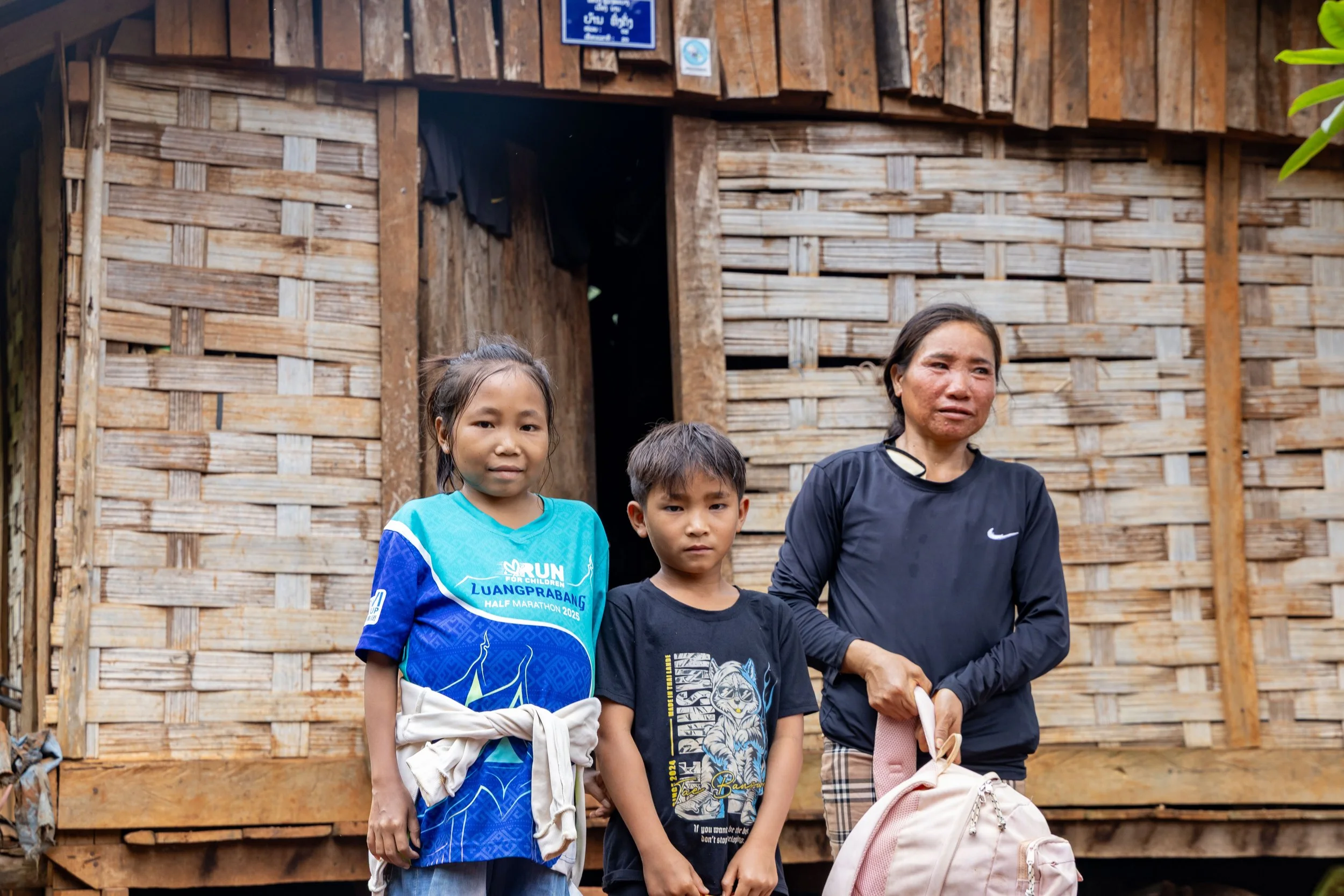
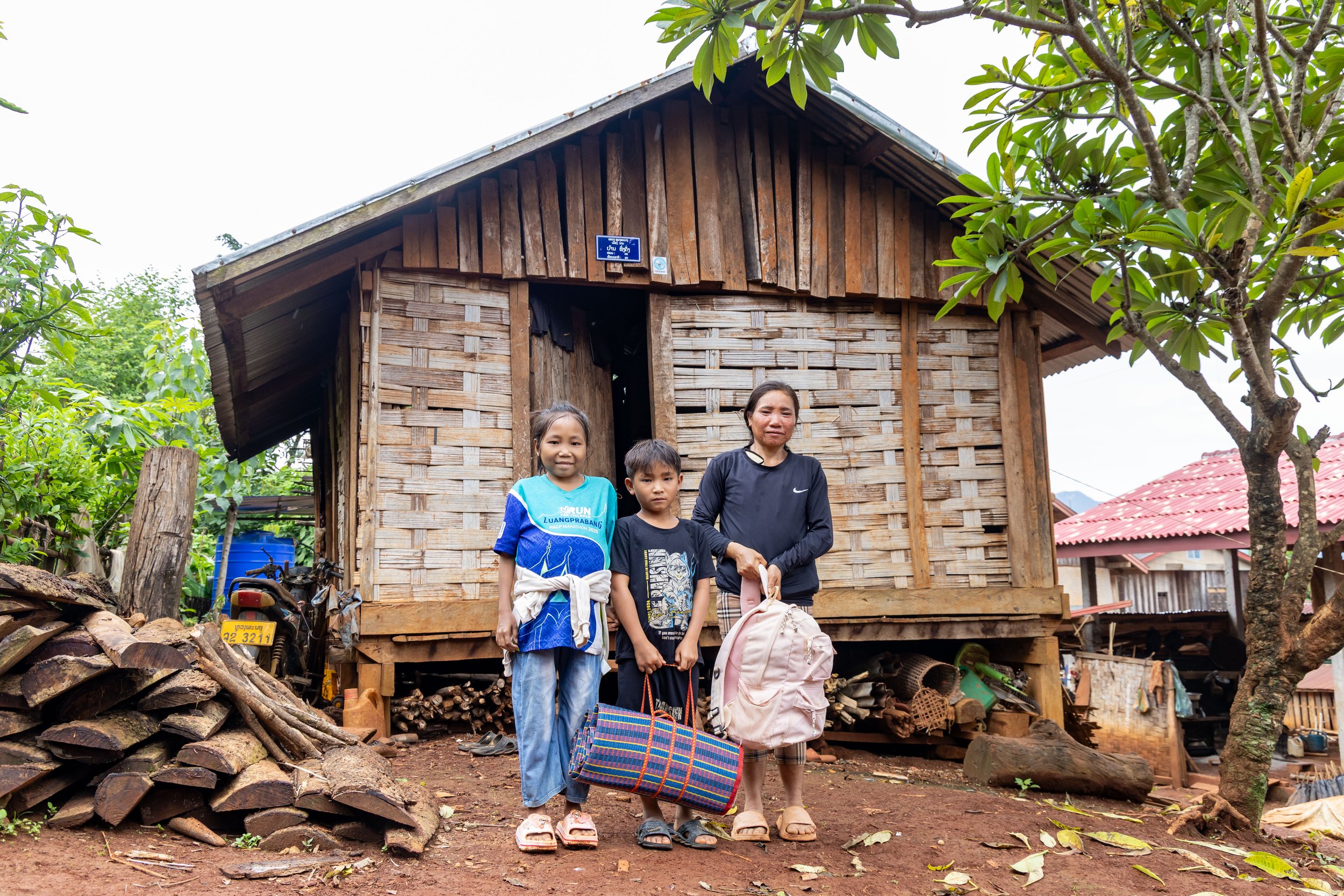
After an arduous 4-hour drive in the rural district of Pakseng (northern Laos), the Outreach team arrived at Namthip's house. The team had come to bring Namthip back to Lao Friends Hospital for Children (LFHC) to receive an urgent blood transfusion and surgery.
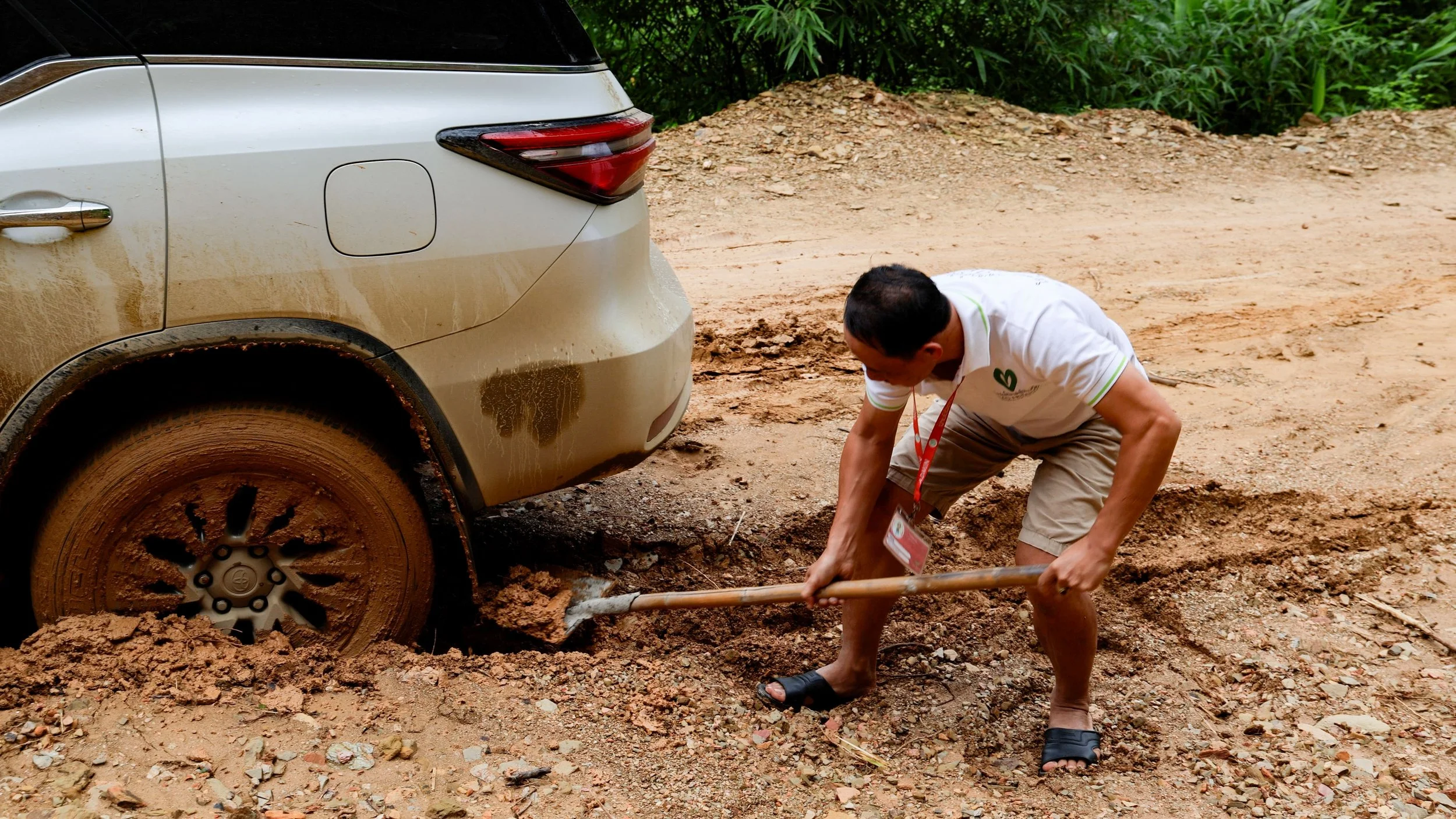
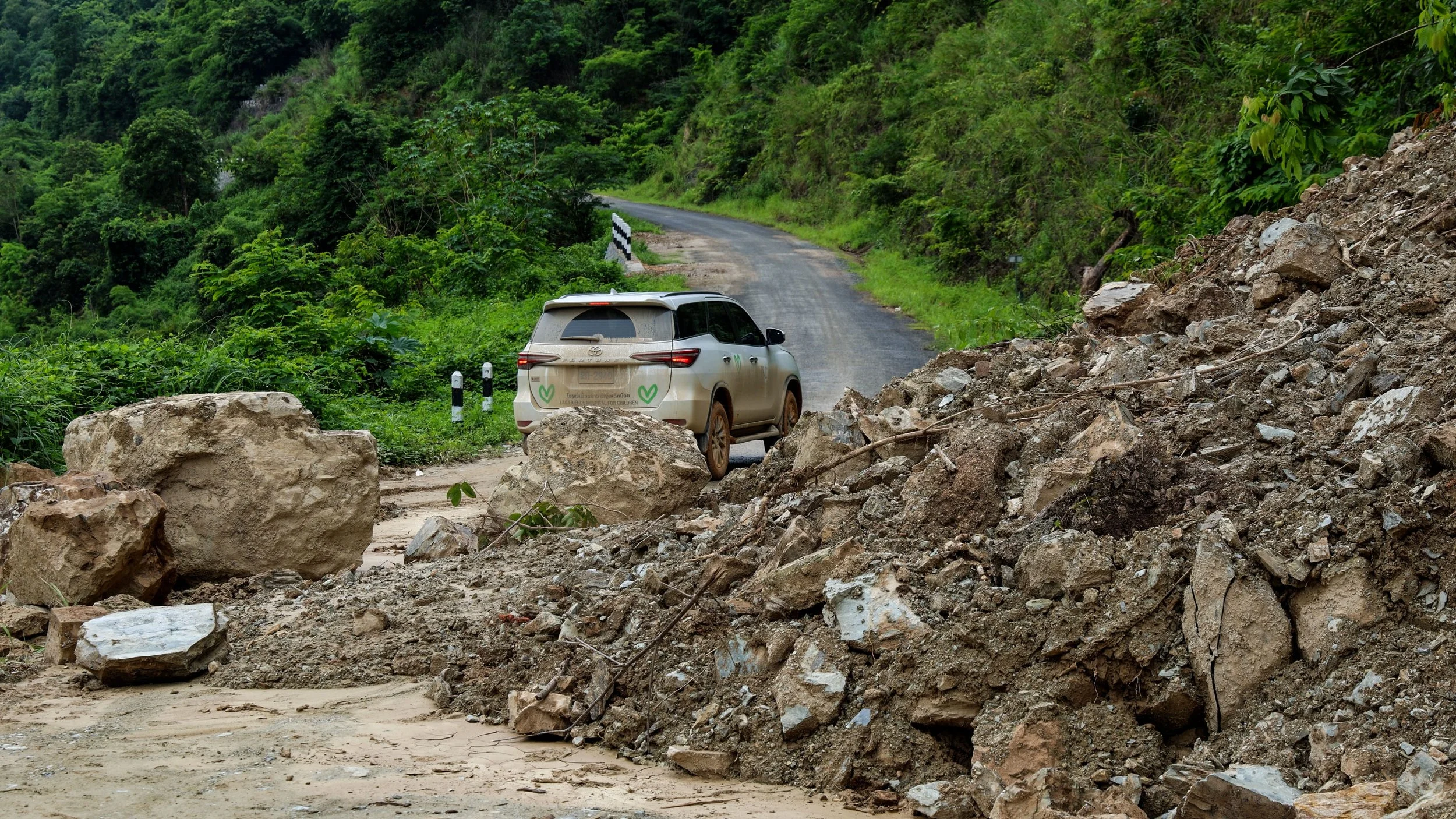
Shy and gentle Namthip lights up the room when she smiles. Her parents describe her as their ‘little angel’. She never complains and always helps out in the house, cooking and carrying water every day. She lives in a very remote area with her parents and her little brother. It takes around a two-hour drive from the hospital, but the road conditions, especially during the rainy season, took the team more than a total of 8 hours to reach her and to return to the hospital.
Namthip is 12-years old, living with thalassemia, an inherited blood disorder that prevents the body from making enough healthy hemoglobin. She also has hypersplenism, a common complication in thalassemia where the spleen enlarges and starts destroying blood cells faster than they can be replaced.
She is well known to the LFHC’s Outreach service as she has been coming for several years under the care of the Thalassemia Clinic. She’d missed several follow-up blood transfusion appointments, and the surgery to remove her enlarged spleen has been postponed several times due to her low blood count. Her family couldn't afford to get transport to the hospital, and using their motorbike was impossible because the roads were too muddy and dangerous. Concerned that her condition was getting worse, the outreach team pursued bringing her to the hospital and getting the urgent care she needed.
Living with Thalassemia in Rural Laos
For children with severe thalassemia, regular blood transfusions are essential. Without timely transfusions, children can become severely anemic, weak and exhausted, and over time may develop serious complications affecting their organs.
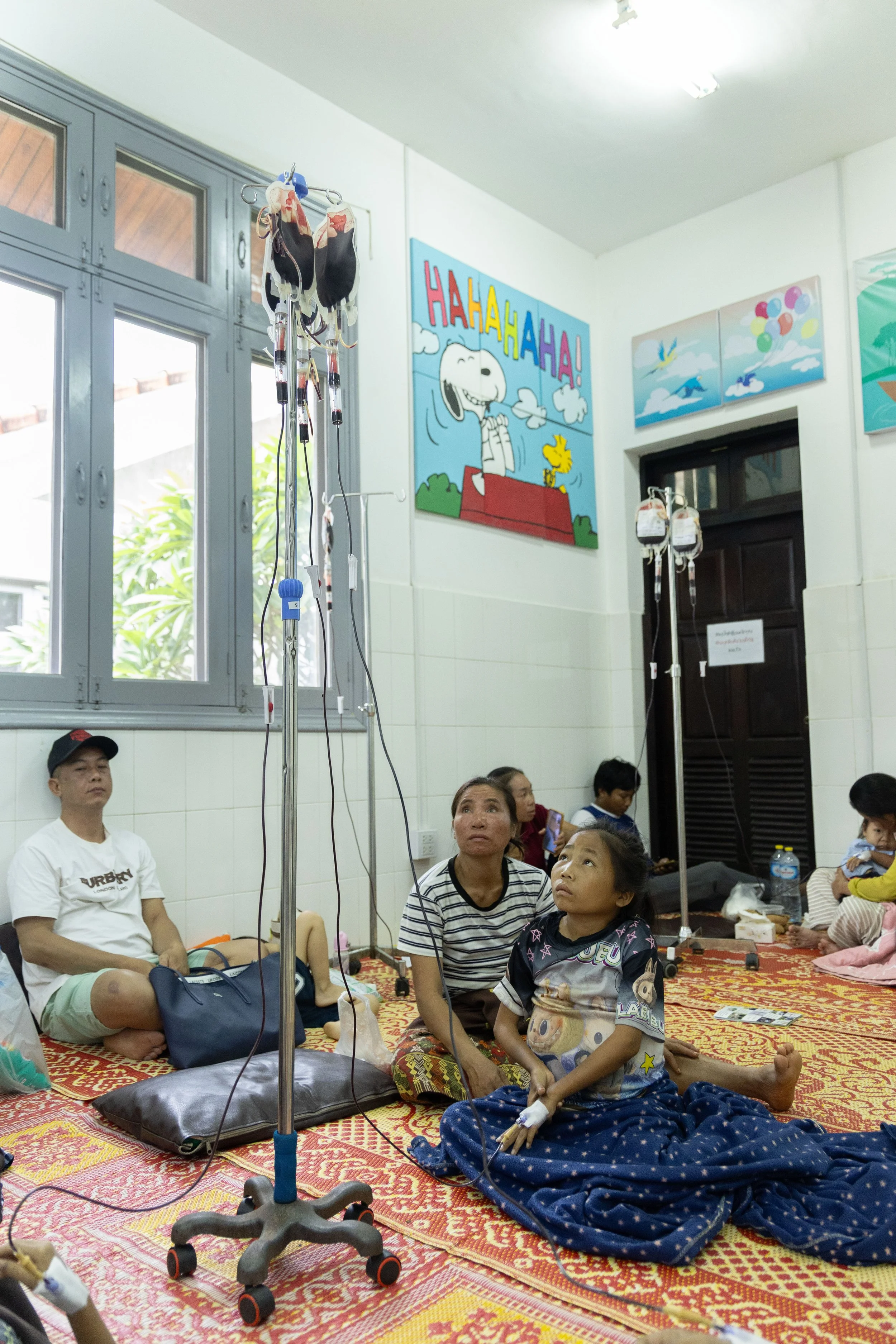
For Namthip and her family, this means returning regularly to LFHC in Luang Prabang for monitoring and blood transfusions. But for a family living below the poverty line, getting her to the hospital is rarely just a matter of making the trip. It is a matter of cost, and of logistics that can quietly overwhelm a household with little to spare.
Her father is a farm laborer, paid only when a contract ends, which can mean months without income. Her mother forages for vegetables and takes odd jobs in the province to fill the gap. To afford Namthip's hospital visits, the family took out loans they are now struggling to repay, with interest piling up faster than they can clear it.
Every trip to the hospital means both parents lose a day's income, sometimes several, since Namthip's treatment can keep her admitted for days or even weeks at a time. For a family already stretched thin, that cost is often the difference between going and not going. It is why her appointments had lapsed, and why our team went looking for her.
This is the reality for many families across northern Laos raising a child with a chronic illness. LFHC's social work team helps with transportation costs when possible, but even with that support, coming to the hospital still carries a real cost: lost wages, time away from home, and the uncertainty of how long a stay might last.
Blood supplies in Laos are limited, and finding enough compatible blood can take time. As a result, a hospital stay that might otherwise be short can stretch into several days or longer, deepening the very hardship that made the trip difficult in the first place.
After a long, rough drive, the Outreach team finally reached her home, but nobody was there. A neighbor pointed them further down the road.
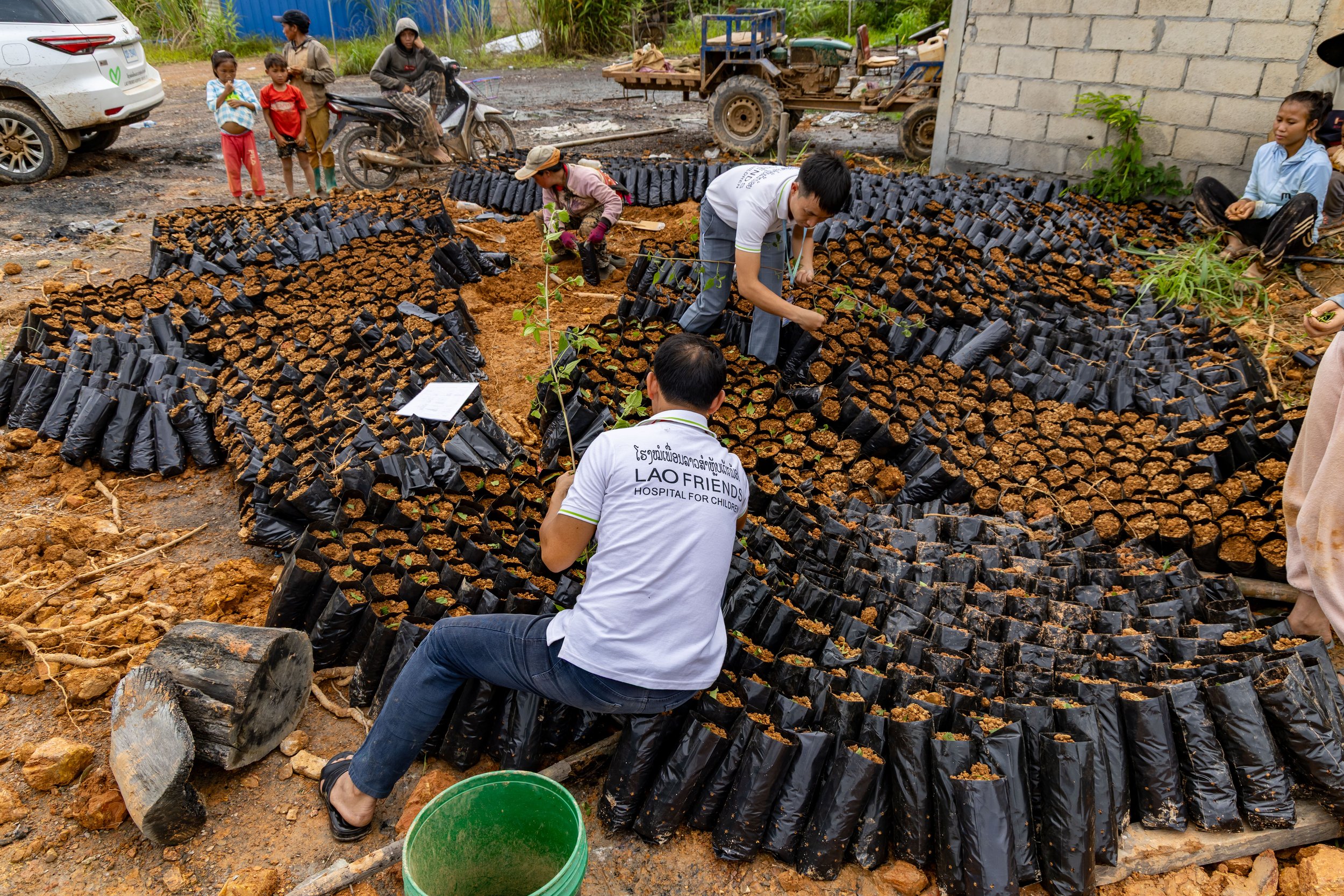
There, they found Namthip and her mother surrounded by hundreds of small potted plants.
“We missed appointments because we couldn’t afford the cost of transportation, and the road to our village is so deep in mud that even walking is impossible, but still they came to pick up Namthip because they really care. ”
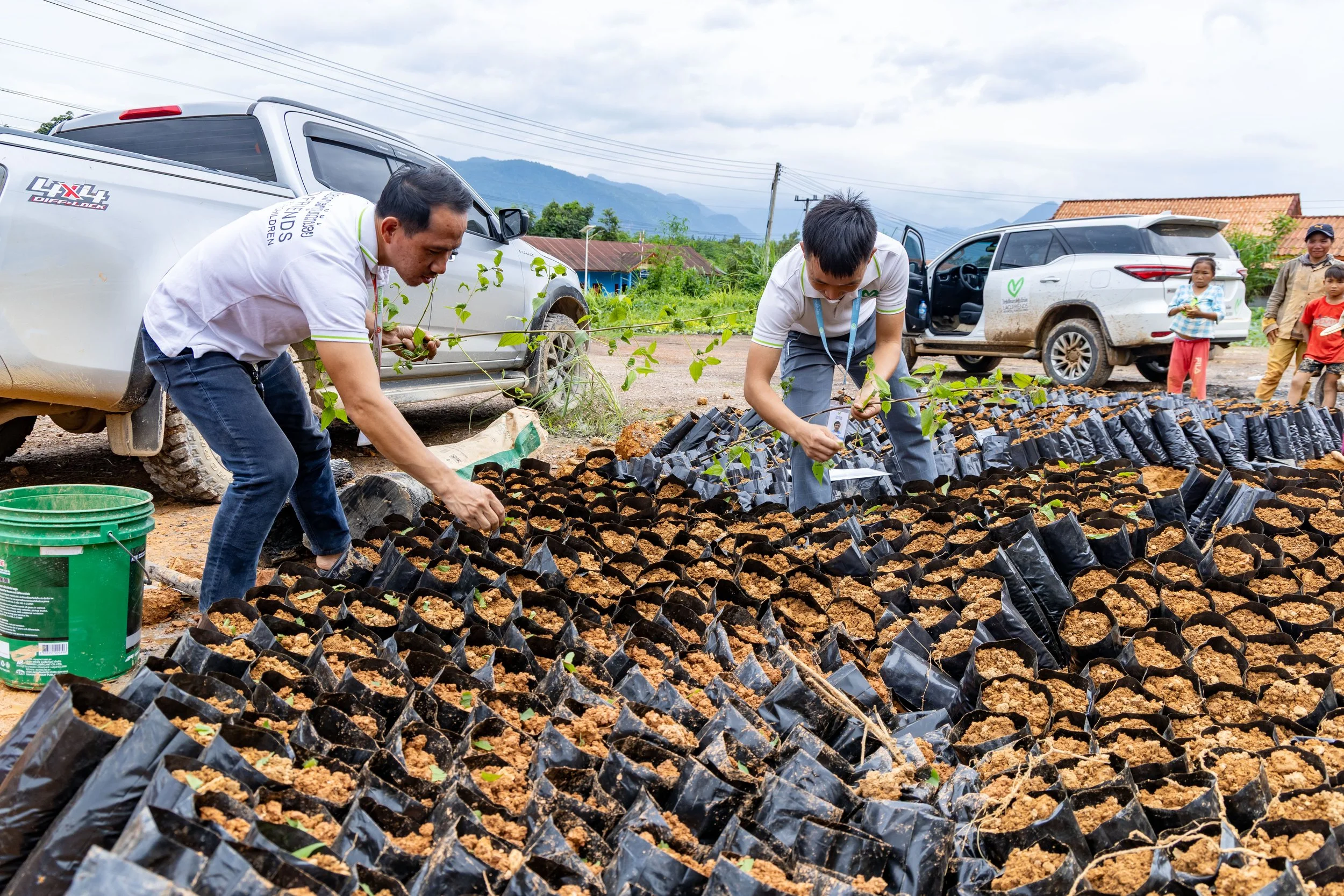
Namthip’s mother had been preparing as many plants as possible so she could sell it before leaving. The little money she could earn would help cover the family’s everyday expenses while in the hospital. When the team arrived, she was still rushing to finish as many as she could, so the team offered to help.
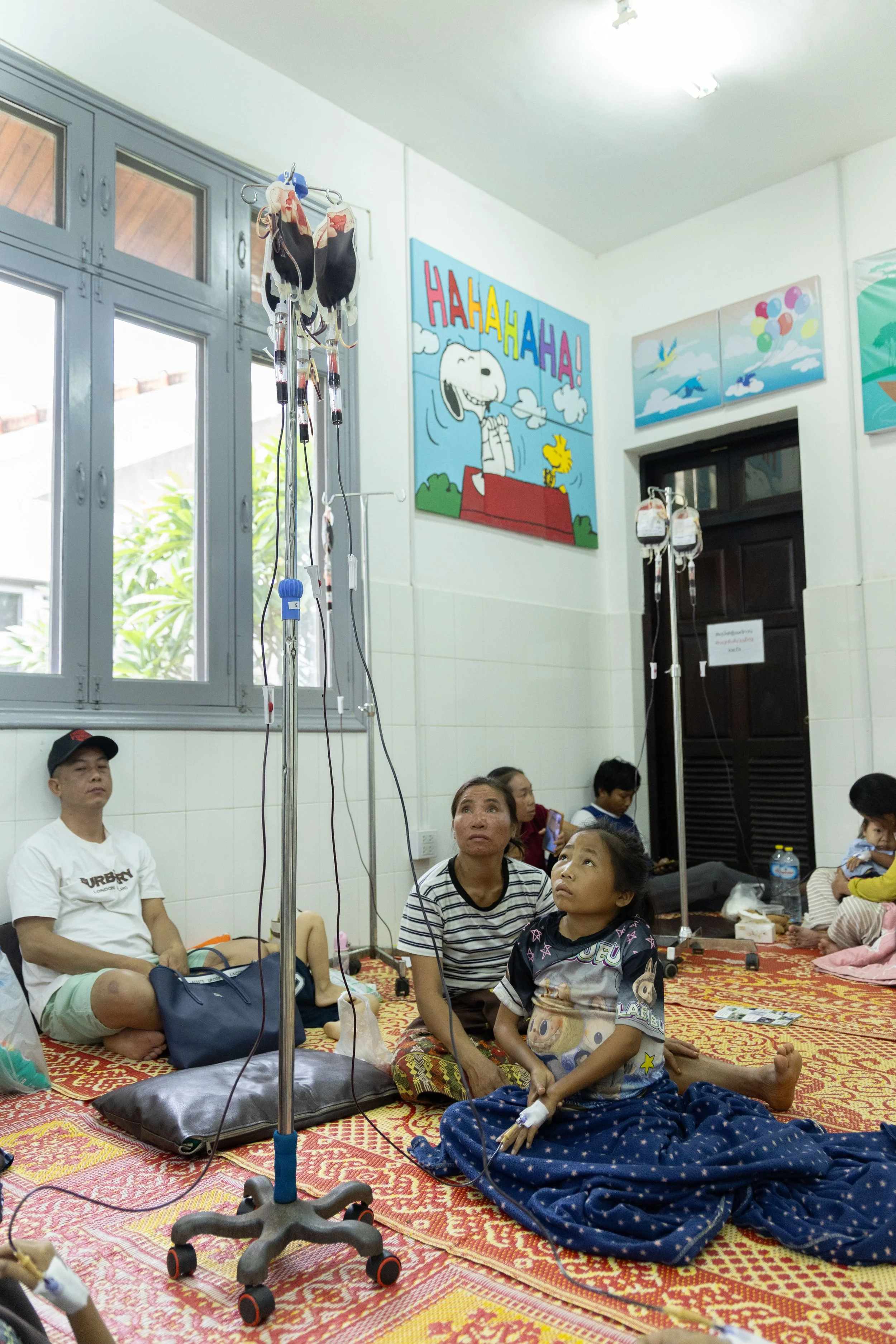
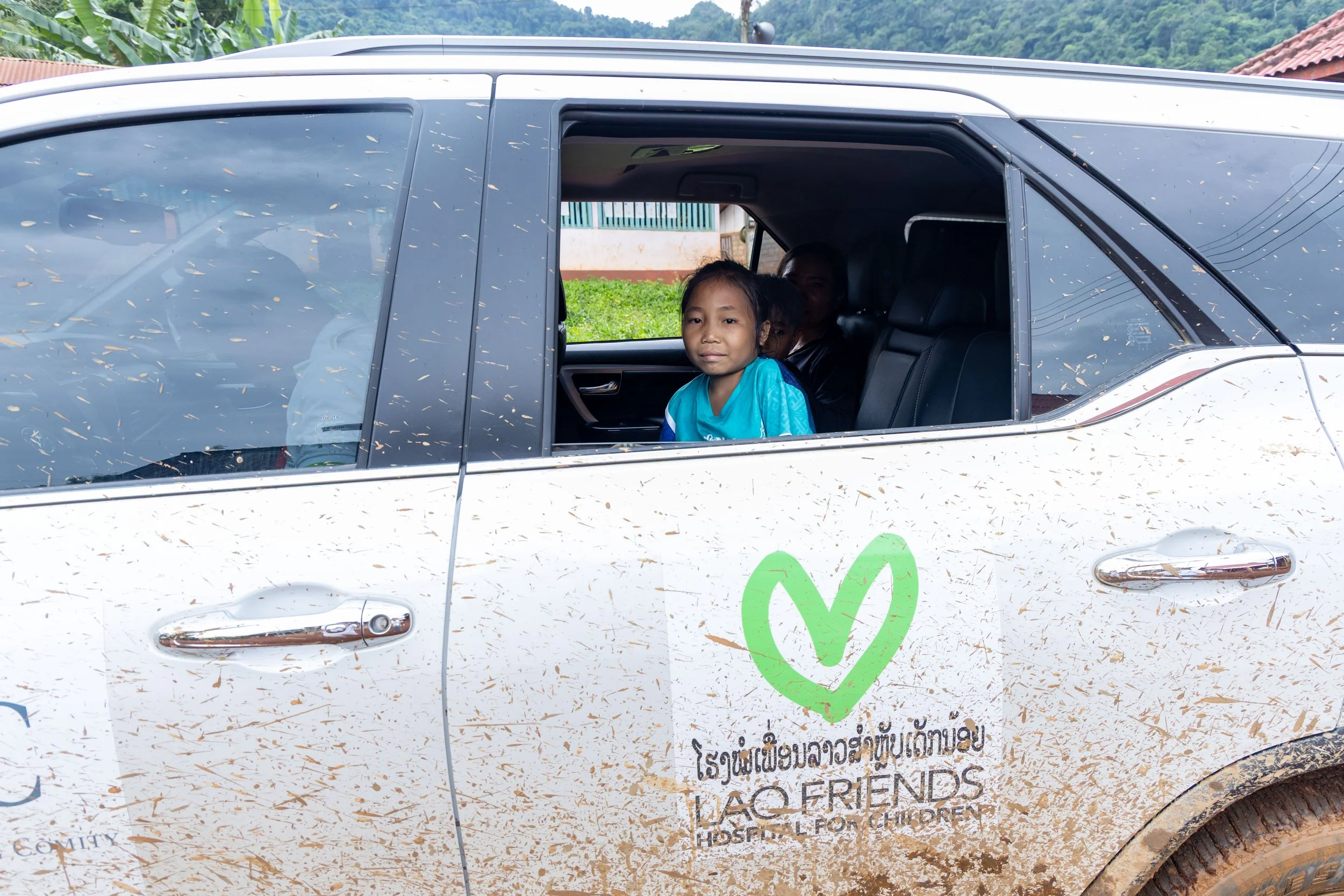
Then it was time to go. They brought Namthip back to LFHC. She was extremely tired. Her skin and eyes were visibly jaundiced, and her abdomen was swollen. She needed medical care urgently. But her current condition is not stable enough for a major surgery. She was admitted for several weeks receiving multiple blood transfusions and stabilizing her anemia.
Post Surgery
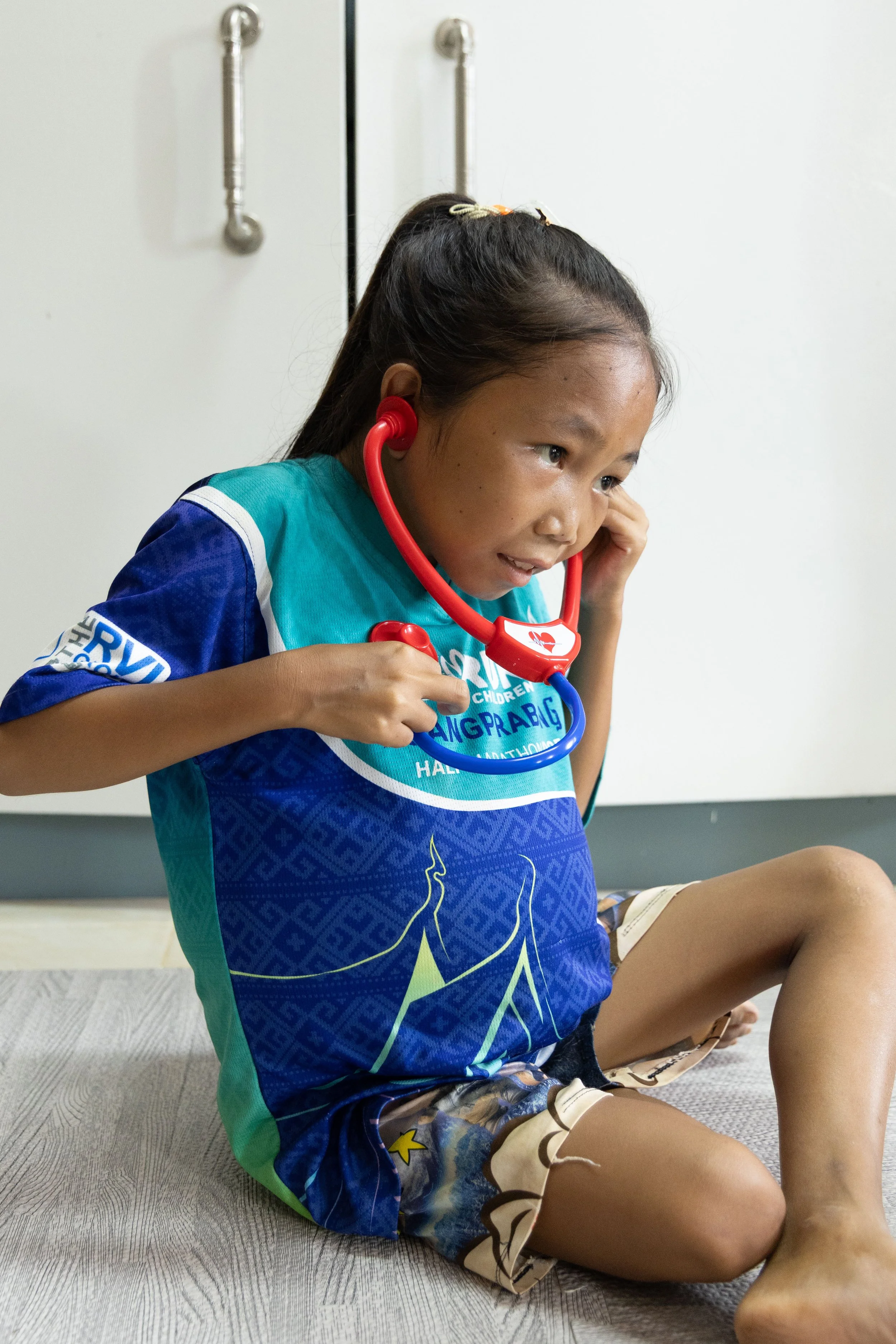
Namthip had her surgery successfully done early in the month of September 2026, and spent a total of just over a month in LFHC. She feels positive and grateful and can’t wait to get better and fully healed after her surgery. A few days post her operation, she could already be seen playing with our staff in our Development Clinic.
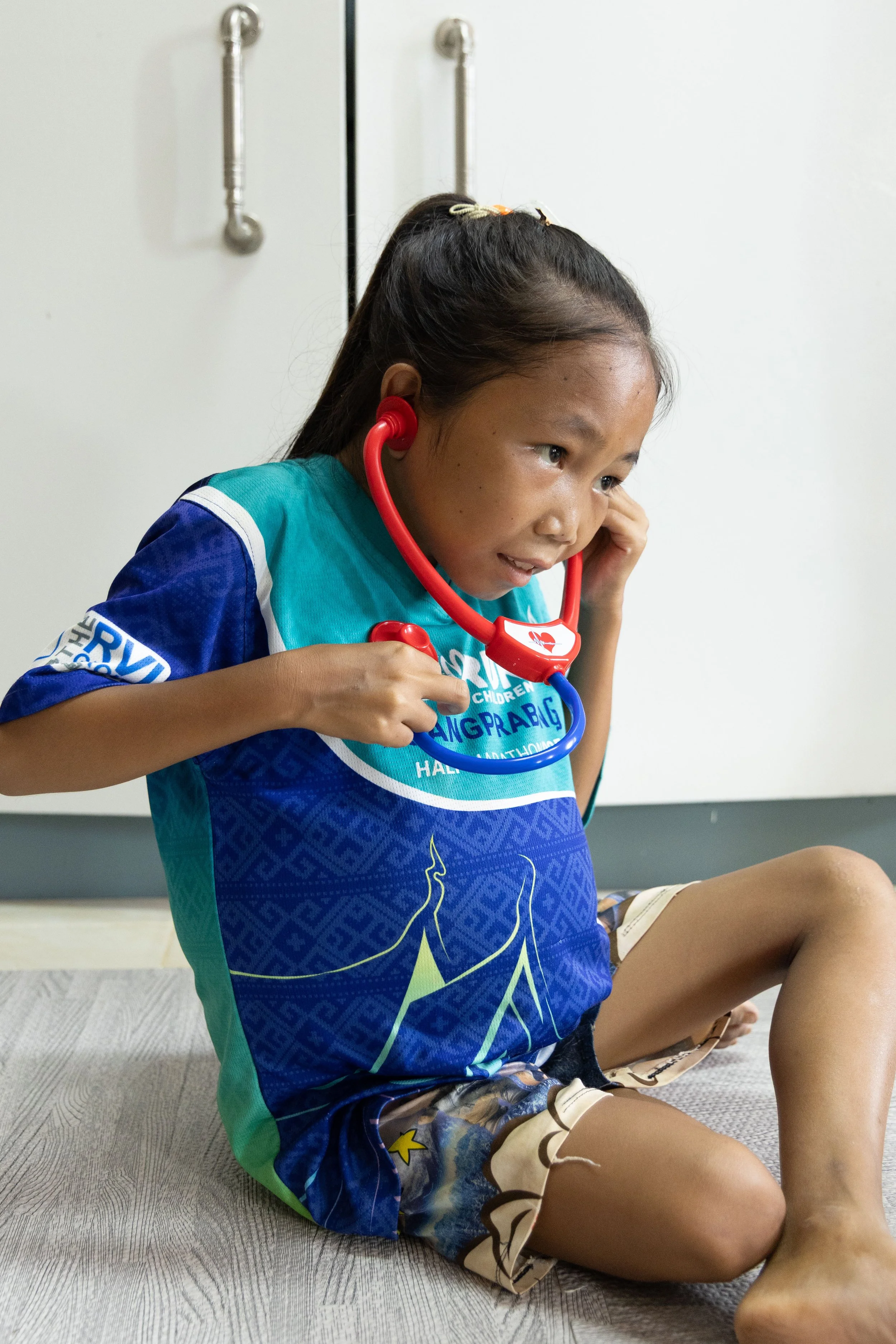
Between treatments, Namthip can sometimes be found spending time with LFHC’s Child Life team playing, talking and sharing moments of normal childhood in a place that has become very familiar to her.
Despite everything she has been through, Namthip is already thinking about other children.
Ask her what she wants to become when she grows up, and with no hesitation, she responded:
“I want to be a doctor so I can help others.”
Challenges during this heavy rain season
Sadly, Namthip’s story is not uncommon. Across northern Laos, children living with serious and chronic illnesses face enormous barriers to accessing healthcare. During the rainy season, those barriers become even greater. Heavy rains can turn already challenging rural roads into mud, wash away sections of road, flood river crossings and leave remote communities increasingly isolated. For patients who need regular treatment, these delays can have serious consequences.
Namthip was fortunate that our Outreach team reached her and brought her back to LFHC. Today, she’s back home and recovering fully. But other children are still out there. For families like Namthip’s, this support can mean the difference between missing another appointment and getting a child safely back to the hospital.