Aiya’s Story: A Rare Condition with a 50/50 Chance of Survival
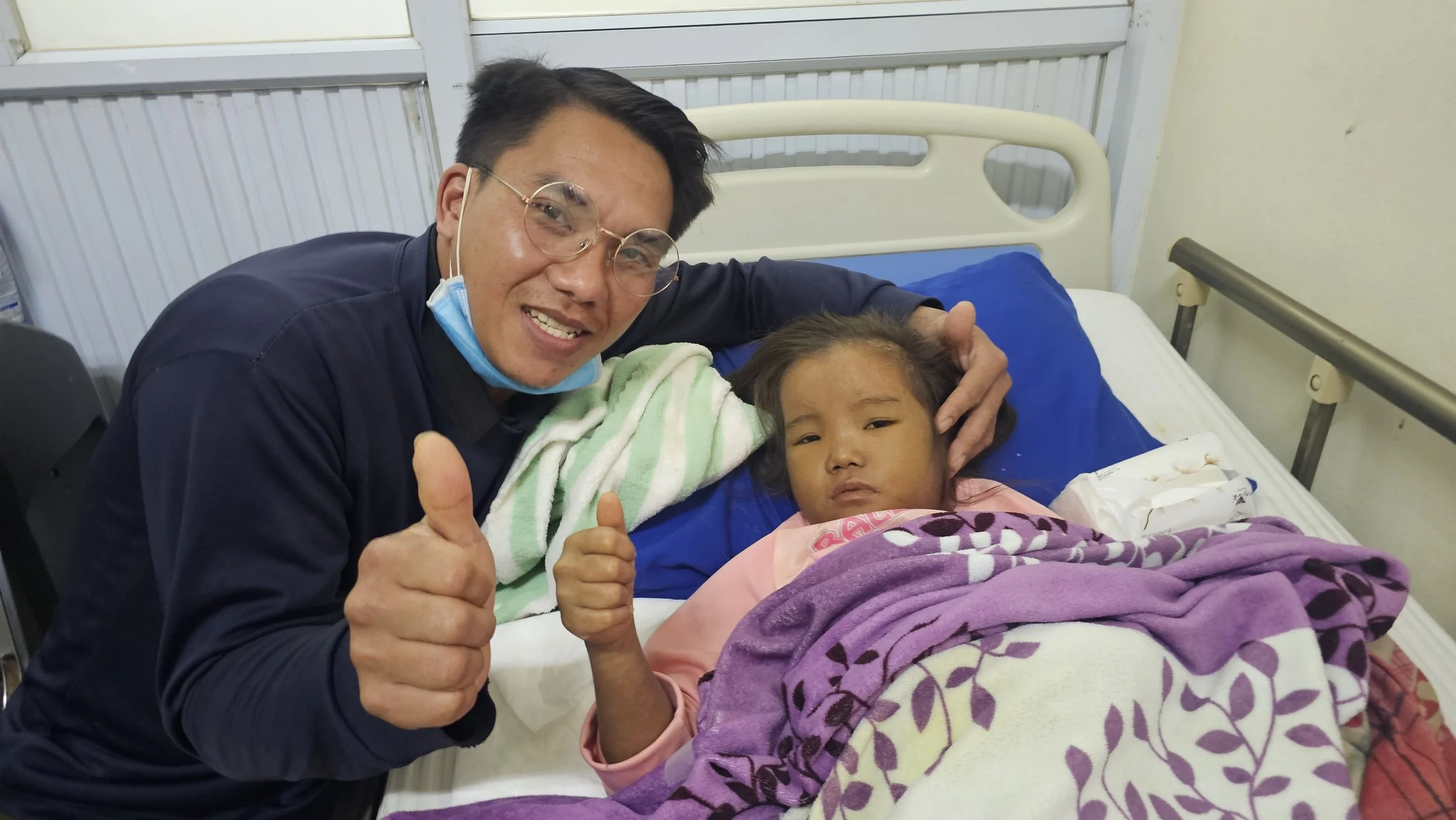
It started with a simple rash, but seven-year-old Aiya had 50/50 percent chance of survival when diagnosed. Two district hospitals had already turned her away because they could not treat her. Only Lao Friends Hospital for Children could save her.
Until recently, seven-year-old Aiya was a healthy, energetic child growing up in Phonthong District, a remote rural area of northern Laos. She was recently diagnosed with epilepsy and was being managed with anti-seizure meds to help her live a normal life.
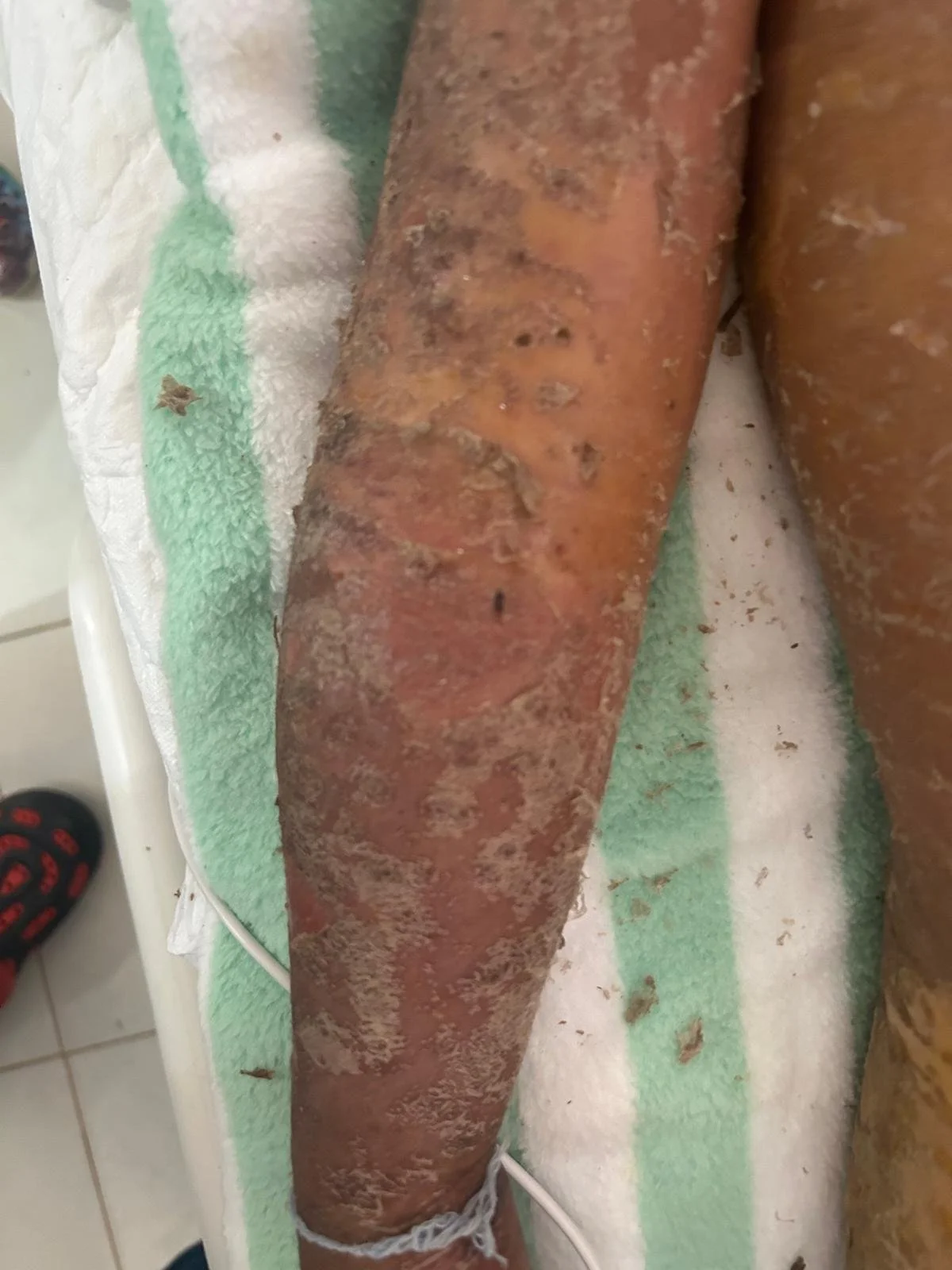
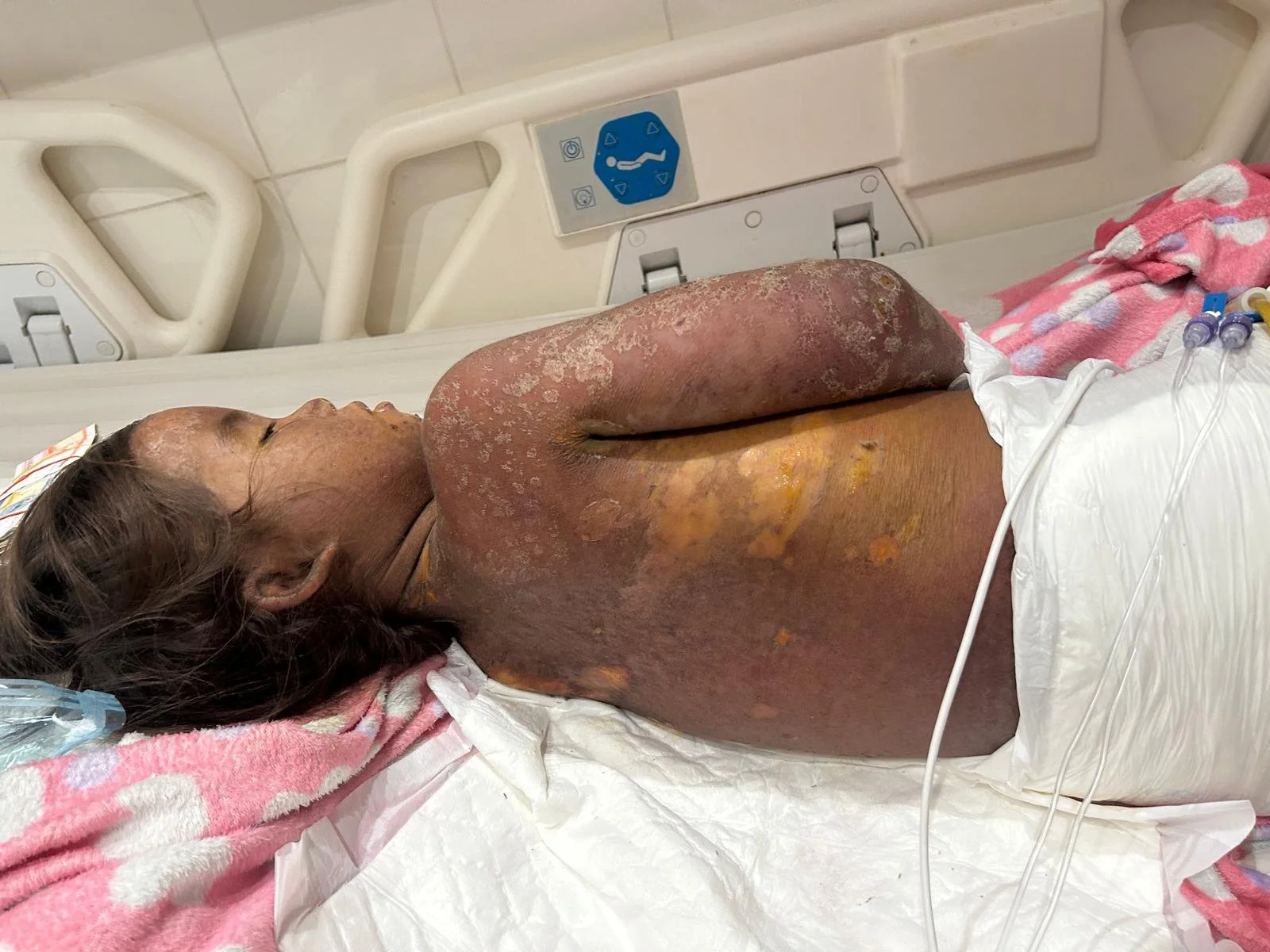
Then a rash appeared; it started mild but worsened weeks later. Her family, with limited access to specialist care, thought it would pass. It didn't. Within weeks, the rash spread across her body. She developed a high fever. Her skin began blistering and peeling in large patches. She had difficulty breathing, couldn't eat, and drifted in and out of consciousness.
A Desperate Journey to LFHC
Aiya's parents rushed her to their nearest local hospital in Phountong District. Local doctors initially suspected measles, but as painful blisters covered her body, they knew it was something far more serious, something they did not have the capacity to treat. They sent her to another hospital, four hours away in Nambak District, only to be turned away with the same devastating response: "We can't help her."
Both hospitals gave the same urgent advice: get her to Lao Friends Hospital for Children in Luang Prabang immediately.
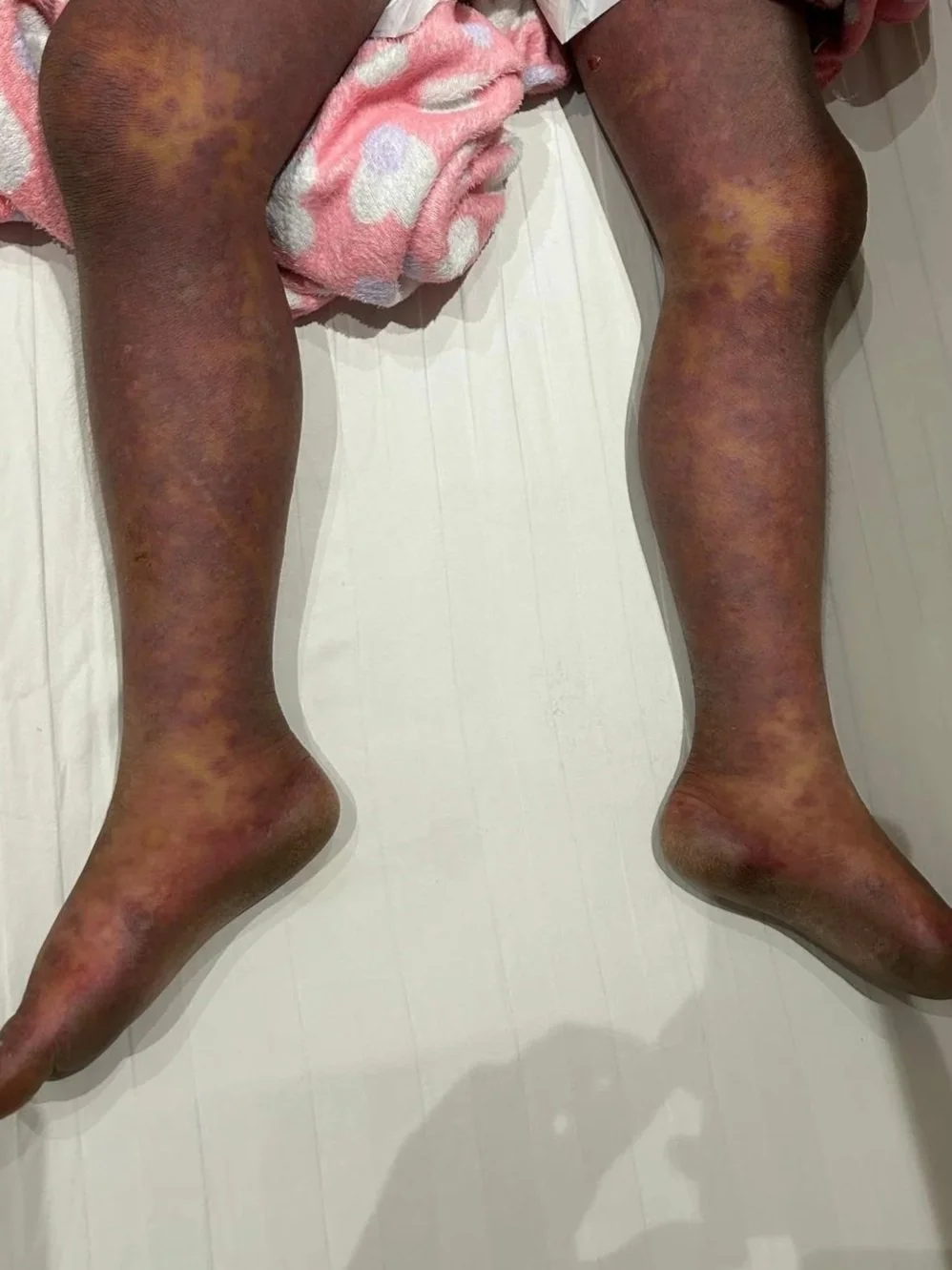
Her parents spent their savings on an ambulance for the six-hour journey. It was their last hope. When Aiya arrived at Lao Friends Hospital for Children, her condition was critical. Large areas of her skin were blistered, peeling, and beginning to die, a process known as necrosis, where damaged tissue can no longer survive.
A 50/50 chance of survival
After careful clinical assessment, the team arrived at a diagnosis of Stevens-Johnson Syndrome (SJS), a rare and severe reaction most often triggered by medication, in which the body’s immune system attacks the skin and mucous membranes. In Aiya’s case, the timing of her symptoms in relation to recent epilepsy medication use strongly suggested a drug-induced cause.
She was admitted to the Intensive Care Unit. Based on the severity of her presenting condition, the medical team knew she was facing life-threatening odds.
SJS is particularly dangerous in children and carries a high mortality rate, especially in settings without advanced pediatric intensive care.
Reaching this diagnosis required experience and close collaboration. Aiya’s care was led by a multidisciplinary team of Lao medical professionals, supported by international volunteer pediatric specialists and guided by the expertise of Dr. Robert Winokur, Hospital Director. Together, they carefully ruled out other possible causes. Confirming the diagnosis was a critical turning point that allowed life-saving treatment to begin.
Fighting Back, Day by Day
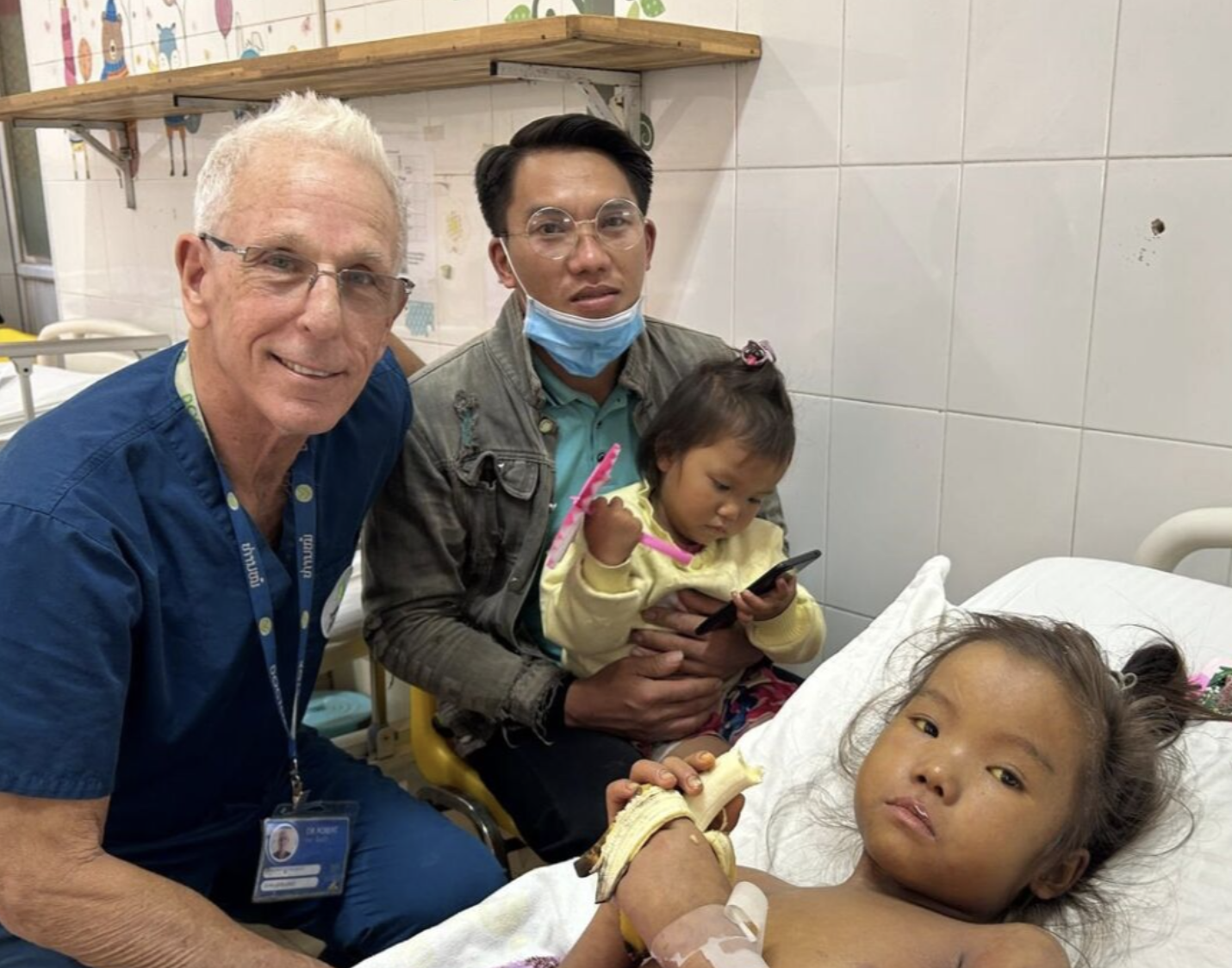
For eleven days in the ICU, she received intensive, round-the-clock care. This included antibiotics to prevent infection, medications to suppress her immune system, careful fluid and nutrition management, and daily wound care, including painful but essential dressing changes. She was closely monitored for potential complications.
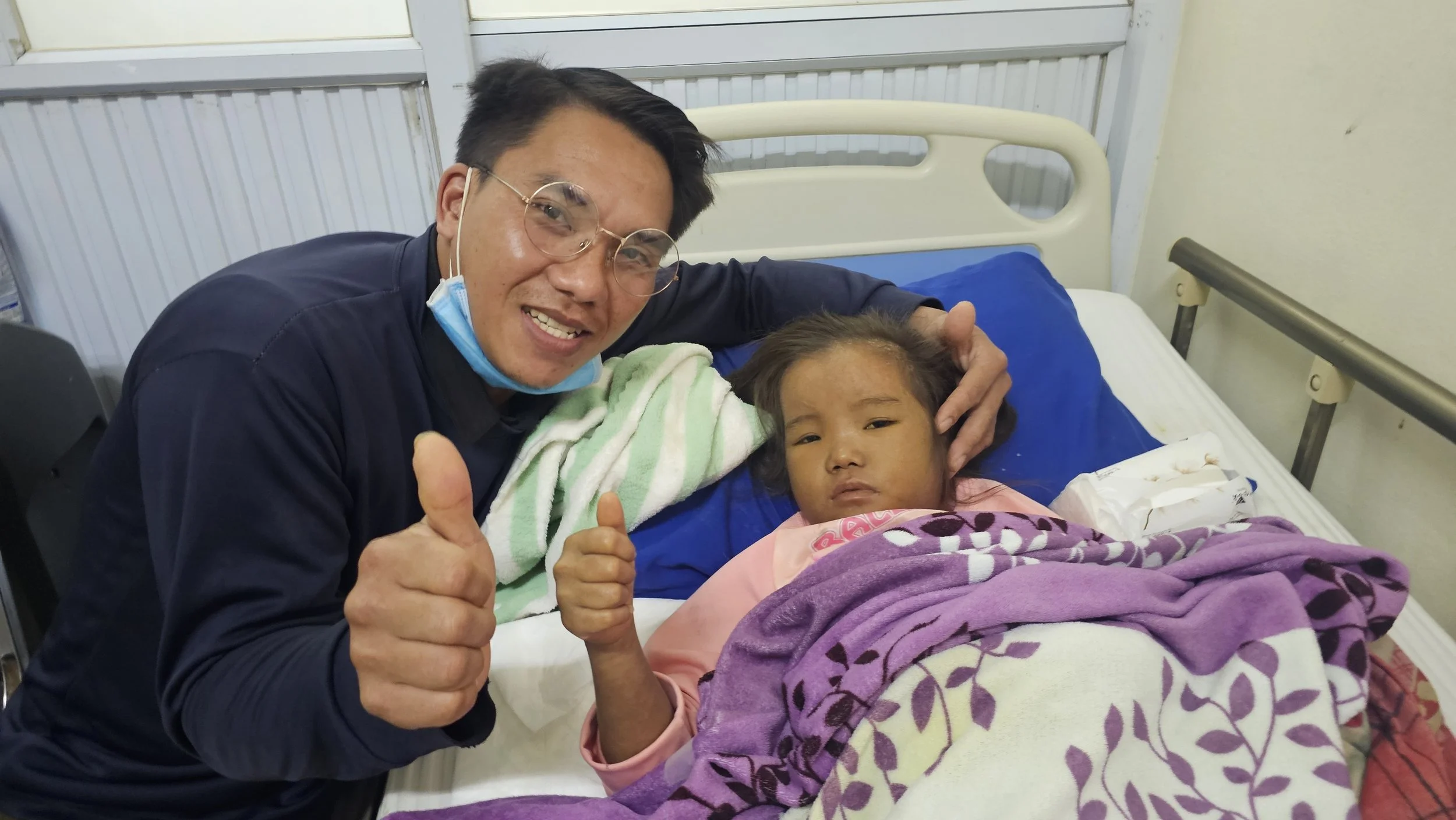
Slowly, Aiya began to improve. She began eating and drinking again. Her skin started to slowly show signs of healing. Against the odds, she survived.
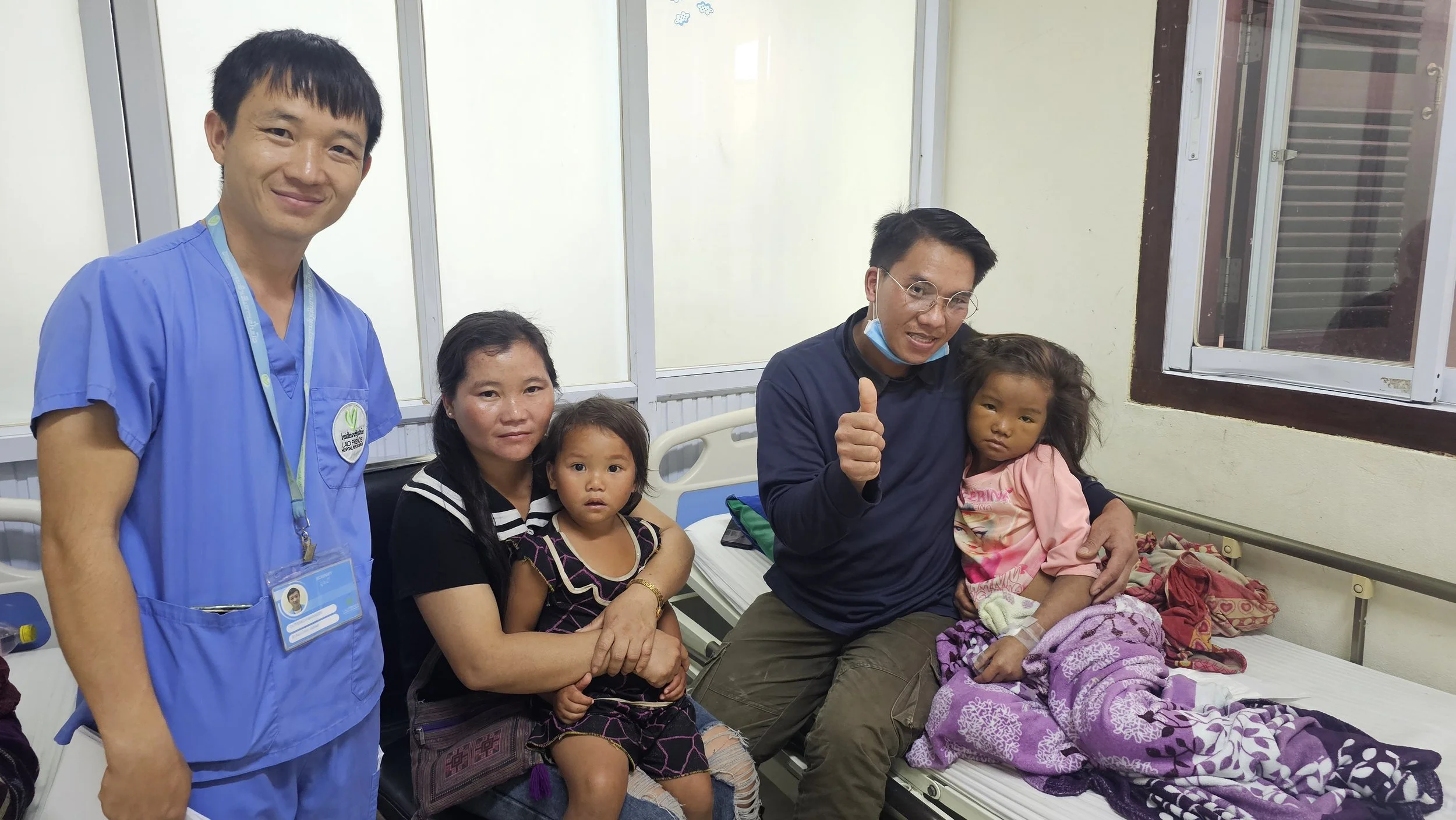
Aiya has now been discharged from the hospital, but her recovery continues. She remains under the care of our Outreach Team, who will ensure her epilepsy is managed safely with alternative medications and that her healing continues at home. She will return for follow-up in one month, as part of a long-term plan to support her health and wellbeing.
When asked what the care at Lao Friends Hospital for Children meant to his family, Aiya’s father could not hold back his tears.
“My daughter is alive because of this hospital,” he said. “Nowhere else could help us. Lao Friends Hospital for Children saved my daughter’s life.”
Aiya’s story reflects the reality for many families in Laos. When children develop rare or complex condition, options are very much limited. For many, Lao Friends Hospital for Children is the last and only lifeline, a place where expert care, teamwork, and compassion come together, free of charge.
Today, Aiya is alive. She is healing. And she has a future.